

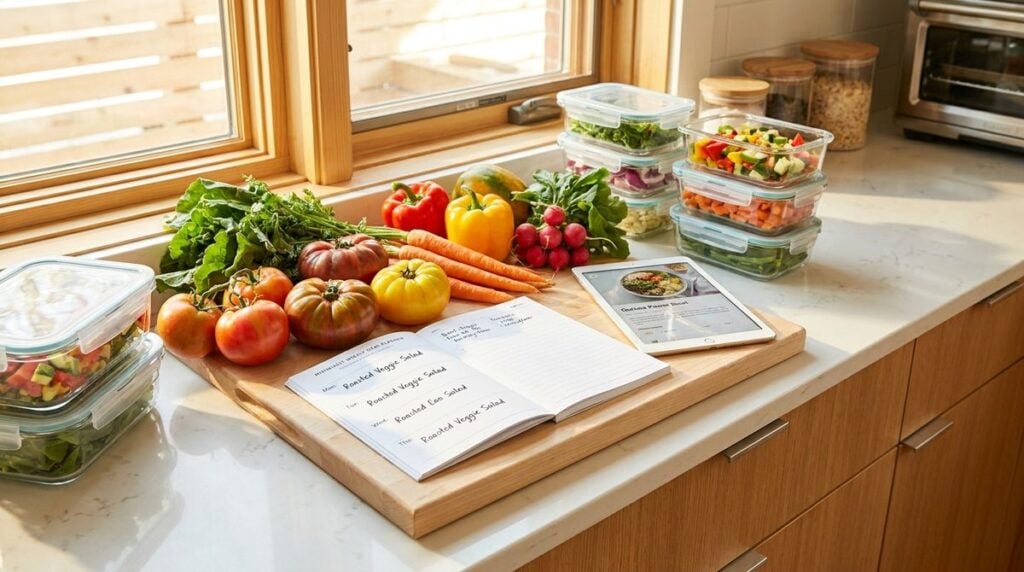
High humidity makes it difficult to keep fresh vegetables firm and appealing. Leafy greens wilt quickly, tomatoes soften, and damp conditions encourage mould on onions and potatoes. Families who shop once a week may find that their vegetables spoil before the weekend. Good storage habits can extend freshness considerably, even in a warm and wet kitchen. This article explains which vegetables need special care, how to store them and how to avoid the common mistakes that speed up spoilage.
Understand what each vegetable needs
Vegetables differ widely in the conditions they prefer. Leafy greens such as spinach and lettuce need cool temperatures and moisture, but they also need air to prevent slime. Root vegetables such as carrots and beetroot keep best in a cool, dark place with moderate humidity. Onions and garlic prefer dry, well ventilated air, because damp conditions encourage rot. Potatoes should be kept in the dark, away from light, which turns them green and bitter.
Tomatoes, cucumbers and peppers are more sensitive to cold than many people expect. Storing them in a very cold fridge can cause their texture to change. In a humid kitchen, it is often better to keep them in a cool corner for a few days and to refrigerate only when they are fully ripe. Knowing these differences prevents many avoidable losses. Ripening also changes how a fruit responds to the fridge, so a tomato that is still green should stay on the counter until it softens.
Wash and dry carefully
Washing vegetables too early can speed up spoilage, especially for leafy greens. Water left on the leaves encourages bacteria and mould. Wash vegetables just before cooking, or wash them, dry them thoroughly and store them in a clean container lined with dry paper towel. Use a salad spinner or a clean cloth to remove as much water as possible. Readers may also want to visit bTrendie. Dry leafy greens gently rather than squeezing them, because bruised leaves release moisture and spoil faster.
Remove damaged or bruised parts before storage. A single rotten tomato can affect the others, and a wilting leaf can contaminate the rest of a bunch. Check vegetables regularly, and use the most fragile items first. This simple habit reduces waste and keeps the fridge cleaner.
Use containers and air flow well
The right container makes a real difference. Breathable containers with small vents help leafy greens stay crisp without trapping excess moisture. Store root vegetables in a basket or open box in a cool area, not in a sealed plastic bag. Keep onions and garlic in a mesh bag or a wire basket in a dry place, away from potatoes, which release gases that can cause the others to sprout.
You can also visit Edmentum for more reading. These resources are most useful when they are adapted to local climate and to the fridge or cupboard you actually have, because a kitchen in a wet region rarely behaves like one in a dry area.
A checklist for fresher vegetables
- Keep onions, garlic and potatoes in a dry, dark, ventilated place.
- Store leafy greens in breathable containers lined with dry paper.
- Wash vegetables only shortly before preparing them.
- Remove damaged parts and use the most fragile items first.
- Check the fridge and cupboard every few days for signs of rot.
Buy smaller amounts more often
In wet weather, shopping more frequently in smaller amounts can be wiser than buying large quantities. A slightly more frequent trip keeps the produce fresher and reduces the number of vegetables that spoil before they are eaten. Plan meals for the next few days, and buy the items that fit that plan. Choose firm, unbruised vegetables at the market, and avoid those with soft spots or a strong smell. For a related read on this site, see Cooking for One Without Throwing Food Away: A.
Vegetables that are past their best can still be useful. Soft tomatoes can be cooked into a sauce, and wilted greens can be added to soup. Trim damaged parts and cook the rest promptly. Many home cooks keep a small container in the freezer for vegetable scraps that will later be used for stock. This practice reduces waste and adds flavour to many dishes. Keeping a labelled bag for these scraps also means nothing is forgotten at the back of the freezer.
Good storage is a habit, not a single trick. Check the vegetables often, keep the storage area dry, and treat each type according to its needs. Over a rainy season, these small routines can save money and make meals more enjoyable, because the vegetables arrive at the table firm, bright and full of flavour.



More Stories
Packing Lunches Again for the First Time Without Burning Out
Batch Cooking Plans for Cooks Who Start Work at Odd Hours
Grocery Planning for Moving Day Meals When the Kitchen Is Packed