

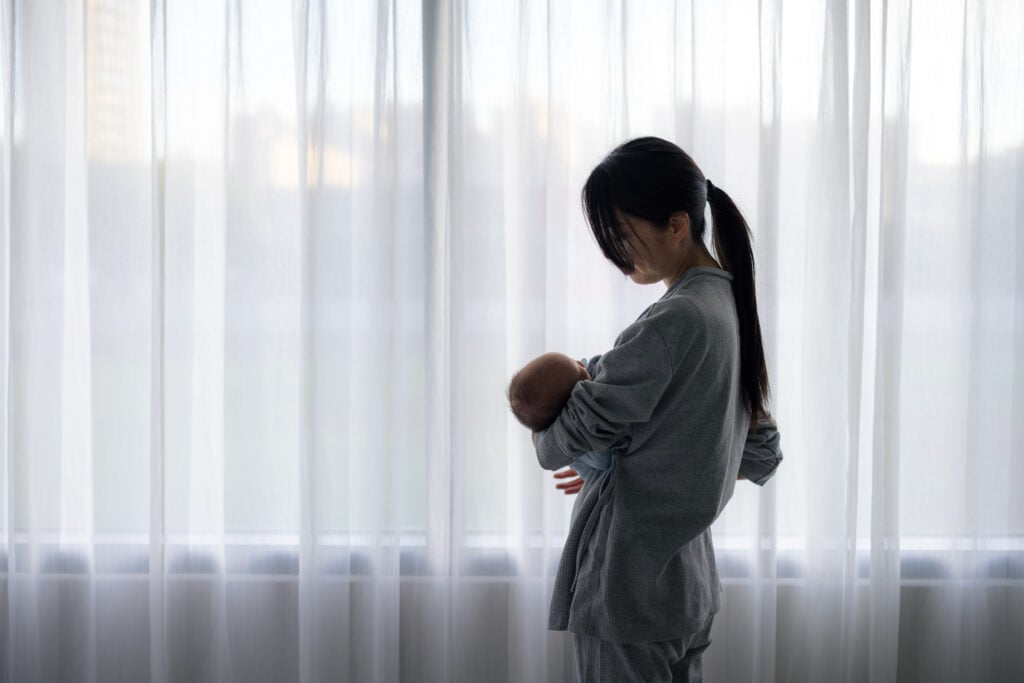
Bringing a new baby home is one of the most significant transitions a person can experience. Your body has just done something extraordinary, your hormones are shifting dramatically, and sleep deprivation hits almost immediately. Feeling emotional, overwhelmed, or tearful in the first few days after birth is incredibly common — and completely normal.
But how do you know when those feelings are part of the expected adjustment, and when they signal something that needs more attention?
Understanding the difference is a key part of perinatal mental health — the emotional and psychological wellbeing of people during pregnancy and in the postpartum period.
What Are the Baby Blues?
The baby blues typically appear within the first two to three days after delivery and can last up to two weeks. They’re thought to be triggered by the rapid drop in hormones — particularly estrogen and progesterone — that occurs after birth.
Common signs include:
- Mood swings
- Feeling tearful or weepy without a clear reason
- Irritability or anxiety
- Difficulty sleeping (beyond what the baby is causing)
- Feeling overwhelmed or emotionally sensitive
The key characteristic of the baby blues is that they resolve on their own, usually within two weeks, without any formal treatment. Rest, support from loved ones, and gentle self-care are typically all that’s needed.
When It Goes Beyond Baby Blues
Postpartum depression (PPD) is often mistaken for the baby blues in its early stages — and that’s one of the reasons it goes unaddressed for so long. The distinction lies in the intensity, duration, and impact on daily functioning.
If symptoms last beyond two weeks, worsen over time, or begin to interfere with your ability to care for yourself or your baby, that’s a signal to take seriously.
Signs that may indicate something more than baby blues include:
- Persistent sadness or a feeling of emptiness that doesn’t lift
- Feeling disconnected from your baby or unable to bond
- Intense anxiety, panic attacks, or intrusive thoughts
- Difficulty functioning in daily life — eating, showering, leaving the house
- Feeling like a failure as a parent, or that your baby would be better off without you
- Thoughts of harming yourself
It’s also worth knowing that postpartum anxiety is just as common as postpartum depression but often less talked about. Constant worry, racing thoughts, or a persistent sense of dread are signs that deserve attention too.
Why Perinatal Mental Health Matters
Perinatal mental health encompasses more than just the weeks after birth. It includes the emotional experience of pregnancy itself — a time when anxiety and depression can also develop and often go unrecognized.
Untreated perinatal mental health conditions don’t just affect the birthing parent. They can impact the baby’s development, relationship dynamics, and the overall wellbeing of the entire family. Seeking help isn’t a weakness — it’s one of the most important things a new parent can do.
What to Do If You’re Concerned
Talk to your provider. Whether that’s your OB, midwife, or primary care doctor, be honest about how you’re feeling. Many providers now screen for postpartum depression, but not everyone discloses truthfully out of fear or shame.
Reach out to a therapist who specializes in perinatal mental health. Evidence-based approaches like cognitive behavioral therapy (CBT) can make a real difference.
Lean on your support system. Ask for help. Accept help when it’s offered. You don’t have to navigate this alone.
The baby blues will pass. But if what you’re experiencing feels heavier, stickier, or more persistent — trust that feeling. You deserve support, and effective help is available.



More Stories
Trading the Restaurant for the Waves: Why You Should Host Your Next Birthday on the Water
How Do I Get United Airlines Vacation Packages?
How Do I Change My Name on Breeze Airways?