

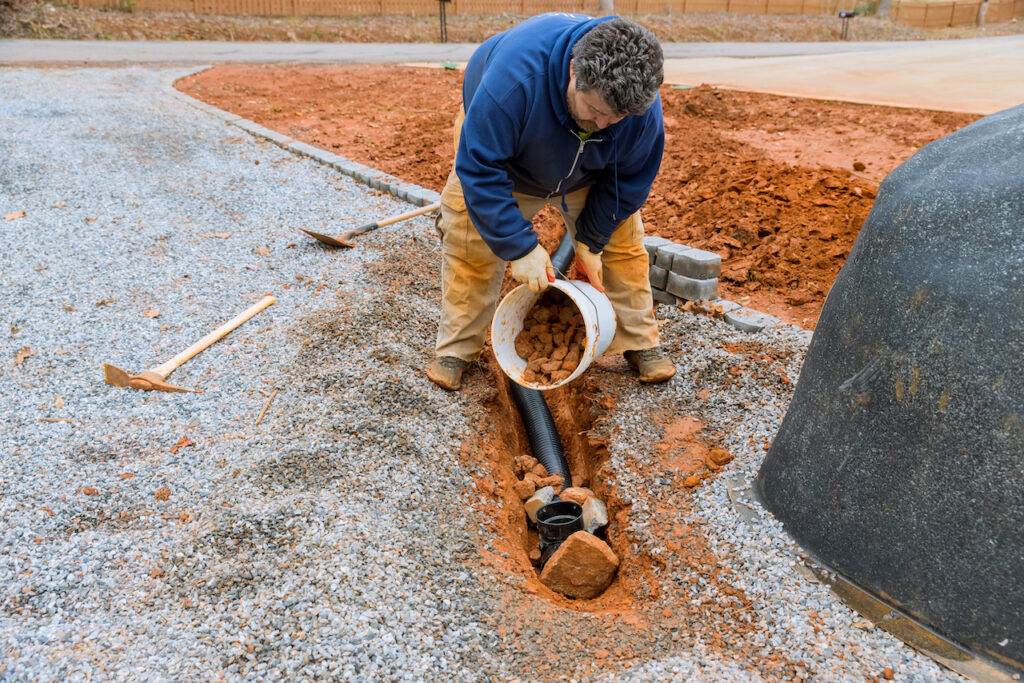
A functioning sewer line is the backbone of your household plumbing. However, many homeowners tend to overlook its importance until a serious problem arises. Ignoring potential issues can lead to costly repairs and significant disruption. Understanding the warning signs of a sewer line in need of repair can save you a lot of time, stress, and money.
If you’re unsure where to start, we’ve got you covered. Here’s a detailed guide on how to identify whether you’re in need of a sewer line repair.
Common Signs Your Sewer Line May Need Repairs
1. Persistent Drain Clogs
It’s normal for drains to clog once in a while, but if you’re facing frequent blockages across multiple drains, this could indicate a significant sewer line problem. When the sewer line is damaged or obstructed, wastewater can’t flow properly, causing backups in your sinks, bathtubs, and toilets.
2. Slow Draining Water
If you’ve noticed slow-draining water in your sinks, showers, or tubs, that’s another red flag. While minor buildups can cause slow drainage, a persistent issue often points to a clog or even a break in the sewer line.
3. Unpleasant Odors
Have you noticed a foul-smelling odor around your home, particularly near drains or your yard? Sewer lines are designed to prevent any smell from escaping. If a crack or leak occurs, you may start to smell sewer gas, which is a clear indicator of needed repairs.
4. Soggy or Sunken Yard Areas
A damaged sewer line can cause wastewater to leak into your yard. Uneven ground, soggy patches, or even a sudden lush growth in certain areas of your lawn could mean liquid from the sewer is seeping underground.
5. Unexplained Increase in Water Bills
If your water bills have spiked suddenly without any increase in usage, your sewer line could be the culprit. Although sewer lines don’t carry clean water, breaks can lead to extensive wastewater and water damage.
6. Gurgling Noises in Pipes
Hearing strange, gurgling sounds in your toilet or other drains? That could be caused by air pockets created due to a clogged or broken sewer line. These noises are often a precursor to more extensive plumbing issues.
7. Severe Backups
When wastewater starts to return through your drains or toilets instead of flowing out to the main sewer, that’s a serious issue. Sewer backups are not only messy and inconvenient but also pose health risks. Immediate repair should follow any signage of a backup.
Next Steps – What to Do if You Spot These Signs
If you suspect your sewer line may need repairs, here are a few steps you can take before the problem escalates:
1. Call a Professional Plumber
A qualified plumber can use advanced tools, like cameras, to inspect your sewer line thoroughly and identify the root cause of the problem.
2. Act Quickly
The sooner sewer line issues are addressed, the less likely you’ll face extensive (and expensive) damage. Small leaks and clogs are much easier to fix than collapsed pipes.
3. Consider Regular Sewer Line Maintenance
Even if you’re not dealing with problems right now, scheduling routine maintenance can prevent unexpected costly repairs and extend your sewer line’s lifespan.
Expert Sewer Line Repair Solutions
Dealing with sewer line problems can feel overwhelming, but with professional help, the process can be manageable and stress-free. From quick fixes to full pipe replacements, expert plumbing services ensure your home’s plumbing system is in perfect working condition.



More Stories
5 Signs Your Business Needs Managed IT Support
Trading the Restaurant for the Waves: Why You Should Host Your Next Birthday on the Water
How Do I Get United Airlines Vacation Packages?