

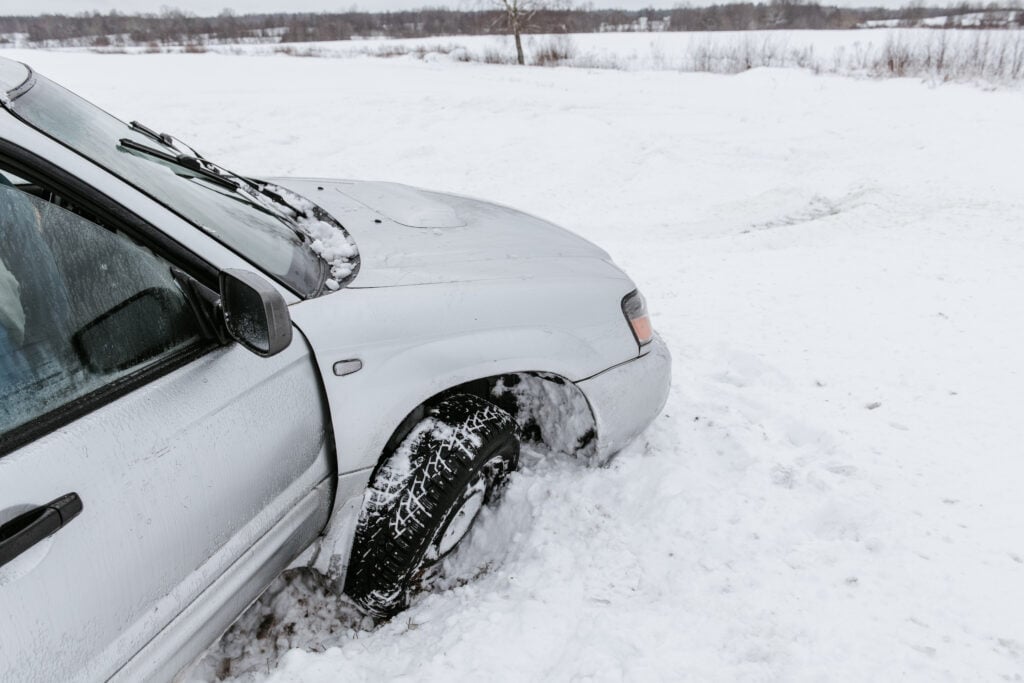
Winter driving comes with its fair share of hazards, and sliding into a snowbank is one of the most common mishaps drivers face during the colder months. While it might seem like a minor incident—especially if the snow looks soft and forgiving—hitting a snowbank can cause more damage than you’d expect. Snowbanks often conceal ice, hidden debris, curbs, or even frozen ground beneath the surface, turning what feels like a gentle bump into a legitimate collision.
Before you brush it off and drive away, it’s worth taking a few minutes to inspect your vehicle. Catching damage early can save you from bigger headaches down the road, both mechanically and financially.
Check Your Bumper and Front End First
The front bumper usually takes the brunt of the impact when you hit a snowbank. Get out of your car and take a close look for cracks, dents, or any sections that seem to be hanging loose. Even if the bumper looks fine from a distance, run your hand along the edges to feel for small splits or warping that might not be obvious at first glance.
Don’t stop at the bumper itself. Check the grille and headlight housings too. Cold temperatures make plastic components more brittle, so a collision that might only scuff a bumper in summer could crack housings or trim pieces in winter.
Inspect the Undercarriage
This is the area most drivers overlook, and it’s often where the real damage hides. Snowbanks can conceal chunks of ice, rocks, or compacted debris that scrape against the underside of your car as you push through. If you have the ability to safely elevate your vehicle or use a flashlight to peer underneath, look for:
- Dents or scrapes on the exhaust system
- Damage to the oil pan
- Disturbed or hanging wires and hoses
- Dislodged splash guards or underbody panels
If you notice any fluid leaking onto the ground after the incident, that’s a strong signal that something underneath has been compromised and needs immediate attention.
Look for Alignment Issues
Hitting a snowbank at even a moderate speed can throw off your wheel alignment, especially if the impact was uneven or hit one side of the vehicle harder than the other. Signs of alignment trouble include:
- The car pulling to one side while driving straight
- Uneven tire wear appearing over the following weeks
- A steering wheel that sits off-center when driving straight ahead
If you notice any of these symptoms, it’s worth getting your alignment checked rather than waiting for the problem to worsen.
Don’t Forget the Tires and Wheels
A hard impact with a snowbank can damage your tires or wheels even if the bumper looks untouched. Check the sidewalls for bulges or cuts, since these weak points can lead to a blowout later on. Inspect the wheel rims too, as impacts can cause bending or cracking, particularly with alloy wheels, which are more prone to damage than steel ones.
It’s also smart to check your tire pressure after any kind of collision. A sudden impact can cause a slow leak that won’t become obvious until days later when the tire feels noticeably softer.
Pay Attention to Warning Lights and Unusual Sounds
Modern vehicles are equipped with sensors throughout the front end, particularly around the bumper, that support features like parking assist and collision warnings. An impact with a snowbank, even a minor one, can jostle these sensors or the wiring connected to them. If a warning light pops up on your dashboard after the incident, don’t ignore it.
Similarly, pay attention to how your car sounds and feels in the days following the collision. New rattles, grinding noises while turning, or a change in how the vehicle handles are all signs that something may have shifted out of place.
When to Get a Professional Opinion
Some damage is obvious—a cracked bumper or a shattered headlight won’t go unnoticed. But plenty of snowbank-related damage is subtle and can worsen over time if left unaddressed. If you’ve experienced any of the following, it’s time to schedule a visit with an auto body shop:
- Visible cracks, dents, or misaligned panels
- Fluid leaks of any kind
- Warning lights that appear after the collision
- New noises, vibrations, or handling changes
- Uncertainty about what might be damaged underneath
Better Safe Than Stranded
A snowbank might look harmless, but the impact can leave lasting damage that affects your car’s performance and safety. Taking the time to inspect your vehicle—or better yet, having a professional do it for you—means you won’t be caught off guard by a bigger repair bill later. When in doubt, a quick trip to a trusted auto body shop can give you peace of mind and keep you safely on the road through the rest of winter.




More Stories
How Founders Launch an Architectural Lighting Design Studio
How Founders Launch a Sustainable Home Upgrade Venture
How Founders Build a Post-Construction Fine Cleaning Firm