

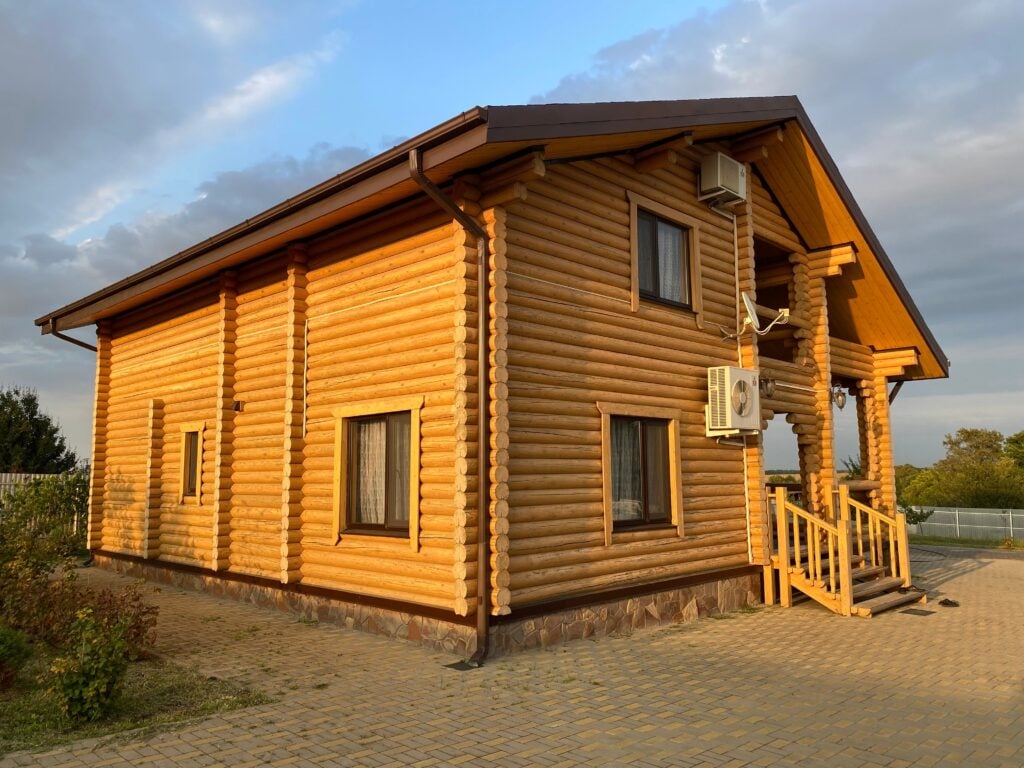
Owning a log home is a dream for many, offering a rustic escape and a deep connection to nature, but once you move past the romantic idea of sitting by the fireplace, the reality of upkeep sets in. Wood is a natural, breathing material that reacts to sunlight, rain, and snow. To keep your retreat standing strong for generations, you need a solid plan. Navigating log cabin maintenance doesn’t have to be overwhelming, but it does require knowing your limits. While a weekend warrior can tackle many routine chores, other projects demand the specialized tools and expertise of a seasoned contractor. Trying to do everything yourself can lead to costly mistakes, while outsourcing every little thing will quickly drain your bank account. The trick is finding the right balance. Let’s break down which upkeep tasks you can safely handle on your own and which ones you should leave to the professionals.
Routine Cleaning and Washing
You don’t need a professional to give your home a good bath. Washing the exterior logs twice a year is a perfect DIY weekend project. Dust, pollen, and bird droppings act like sandpaper against your wood finish, wearing it down over time. Using a gentle wood-safe detergent, a soft-bristled brush, and a standard garden hose, you can easily scrub away this surface dirt. Just remember to avoid using a high-pressure power washer. Blasting your walls with intense water pressure can force moisture deep into the wood fibers and easily strip away intact stain.
Visual Inspections and Basic Upkeep
Nobody knows your property better than you do. You should take a slow walk around the perimeter every spring and fall to inspect the condition of your wood. Look for upward-facing cracks, often called checks, where rainwater might pool. You can easily seal these smaller cracks yourself using a specialized backer rod and log caulk. You can also handle basic landscaping chores that protect your home. Keep bushes and tree branches trimmed at least two feet away from the exterior walls to ensure proper airflow, and make sure your gutters remain clear so water doesn’t spill down the side of your house.
Applying Simple Topcoats
If your log home just needs a quick refresher coat of clear water repellent, you can usually handle the application. As long as the base stain remains in good condition and simply needs a protective boost, grabbing a high-quality brush and a bucket of clear coat is a manageable weekend job. Just make sure you follow the manufacturer’s instructions regarding temperature and weather conditions before you start brushing.
Media Blasting and Complete Finish Removal
When your stain begins to peel, flake, or fade significantly, you can’t just slap a new coat on top of it. You have to remove the old finish entirely to expose the bare wood. This is a job you should always outsource. Professionals use a technique called media blasting, which involves shooting crushed glass, walnut shells, or corn cobs at the logs to strip the old finish without damaging the wood underneath. Renting the equipment and trying this yourself usually leads to uneven surfaces, gouged wood, and a ruined exterior.
Extensive Chinking Application
Chinking is the textured sealant applied between the log courses to keep wind, water, and bugs out. While you might patch a tiny gap yourself, re-chinking an entire wall or a whole house requires a professional touch. The material sets quickly and requires specific tooling techniques to ensure a proper seal and a smooth, aesthetically pleasing finish. Contractors have the specialized bulk-loading guns and the physical stamina required to lay down hundreds of feet of chinking seamlessly.
Structural Repairs and Log Replacement
If your routine inspection uncovers soft, spongy wood, you’re dealing with rot. Fixing wood rot isn’t a cosmetic issue; it’s a structural crisis. Replacing a load-bearing log requires supporting the weight of the roof and the upper walls while the damaged section is carefully cut out and a new, custom-fitted log is slid into place. This process demands structural engineering knowledge, specialized lifting jacks, and precise carpentry skills. Attempting this as a DIY project puts your entire home, and your personal safety, at serious risk.
Professional Pest Eradication
Finding a few carpenter bee holes is annoying, but discovering a termite infestation or widespread powderpost beetle damage is an emergency. While you can spray minor topical deterrents yourself, actual infestations require commercial-grade treatments. Licensed pest control experts know how to safely inject treatments deep into the wood and can prescribe borate solutions that protect the logs from the inside out. Leaving pest control to the experts guarantees the bugs won’t return to cause further structural damage.
Invest in Your Log Cabin
Taking care of a wood home is a labor of love. Rolling up your sleeves to wash the exterior or seal a few small cracks gives you a great sense of pride and saves you a significant amount of money. However, recognizing your own limitations is just as important as putting in the hard work. When you face structural issues, complete finish restoration, or complex sealant jobs, hiring a trusted professional protects your investment. By splitting the to-do list wisely, you ensure your rustic getaway remains beautiful, structurally sound, and ready for decades of family memories.



More Stories
Building a Culture of Care: Workplaces That Need Safety Incentive Initiatives
Making the Right Choice: How to Select the Best Financial Institution for a Short-Term Loan
5 Signs Your Business Needs Managed IT Support