

Operating an independent retail venture from a home office or small studio presents unique physical challenges. When a single room serves as an order fulfillment center, inventory storage hub, and administrative office, disorder can quickly overwhelm daily productivity. Solo entrepreneurs often spend valuable energy navigating cluttered surfaces instead of serving customers and refining their merchandise.
Building a workstation that supports sustained focus requires intentional design rather than expensive overhauls. By establishing clear physical boundaries for separate tasks and selecting durable equipment, you can create a calm, reliable workspace that scales alongside your catalog. A practical layout reduces physical fatigue, speeds up fulfillment, and keeps your operational rhythm steady throughout busy selling cycles.
Defining Dedicated Zones in a Compact Footprint
The most common mistake made by solo merchants is allowing inventory sorting, package wrapping, and digital administrative duties to blend across the same table. When bubble wrap encroaches on your keyboard, mental focus fragments. Dividing your available floor plan into distinct functional zones prevents operational bottlenecks and keeps your workspace organized during high-volume periods.
Begin by separating your digital desk from your physical packing surface. Your computer station should remain dedicated strictly to customer correspondence, bookkeeping, and digital design. In contrast, your fulfillment bench should hold clean, flat materials, cutting tools, and parcel supplies. Even when both zones share a single room, creating visual and spatial boundaries keeps your administrative mindset separate from manual tasks.
Sustaining this rhythm also depends on taking care of personal energy during demanding packing marathons. Solo operators frequently forget that long hours on their feet require disciplined breaks and balanced nutrition. Exploring practical strategies for packing lunches without burning out can help you establish predictable meal breaks that restore your stamina without derailing your afternoon schedule.
Selecting Dependable Packing and Labeling Gear
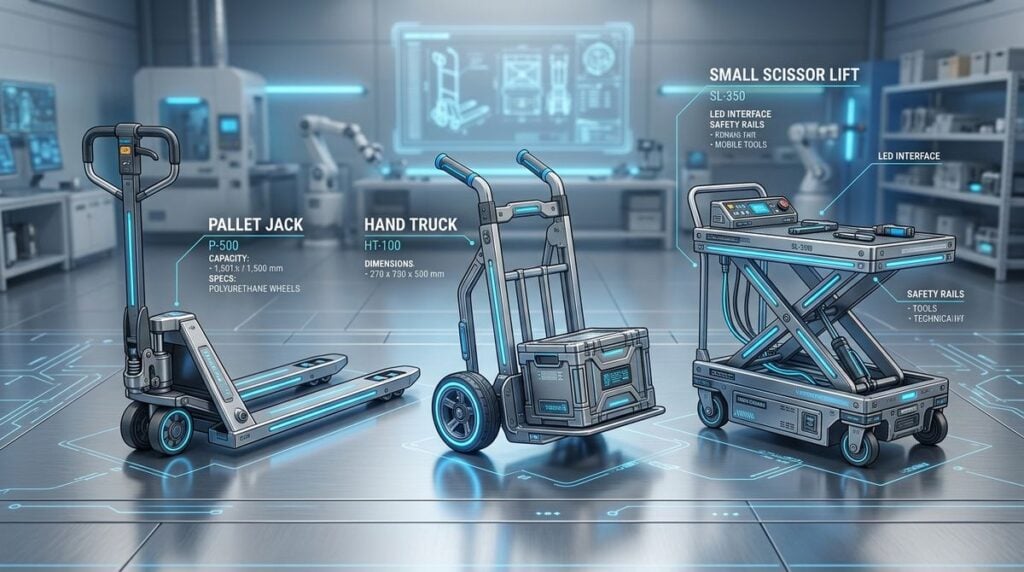
Fulfillment equipment forms the mechanical backbone of an independent retail business. Reliable thermal label printers, accurate postal scales, heavy-duty tape dispensers, and ergonomic cutters directly determine how smoothly parcels leave your door. Choosing substandard tools often leads to jammed machinery, damaged packages, and unnecessary delays during critical shipping windows.
When outfitting your station, prioritize simplicity and repairability over complex gadgets. Mechanical tape dispensers with solid steel frames, for example, consistently outperform flimsy plastic alternatives that slip across desks. Heavy-gauge storage bins keep mailers organized by size, allowing you to select appropriate packaging without rummaging through disordered drawers.
Before committing your working capital to new equipment or office hardware, take time to gather candid assessments from fellow operators. Consulting reputable consumer resources such as product-review.org gives you access to honest evaluations and detailed feedback on practical items, helping you make informed purchasing choices that withstand heavy daily use.
Organizing Inventory Storage and Material Handling
Managing merchandise in a compact space demands rigorous vertical storage habits. Unpacked stock resting on the floor creates safety hazards and invites accidental product damage. Implementing sturdy shelving units equipped with clear, labeled containers ensures that every SKU remains visible, dust-free, and immediately accessible when an order arrives.
Arrange your storage shelves according to movement frequency. Place your fastest-selling items between waist and shoulder height to minimize awkward bending and reaching. Seasonal goods or slower-moving items can reside safely on upper shelves, while bulky shipping cartons and heavy packaging materials belong on lower shelves to keep the center of gravity stable.
Consistent labeling across bins eliminates guesswork during peak fulfillment rushes. When item numbers, product variations, and color codes are clearly legible from a few paces away, you avoid costly packing errors and maintain inventory counts without constant recounting. Simple, readable labels transform a chaotic storage wall into an orderly micro-warehouse.
Drawing Fresh Inspiration from Global Consumer Trends
Running a solo retail business can occasionally feel isolating, especially when days are consumed by mundane logistical routines. Yet an independent brand thrives on distinctive curation, creative packaging touches, and thoughtful product selections that connect with changing consumer interests. Staying attuned to broader lifestyle movements prevents your storefront from feeling stagnant.
Observing how international audiences interact with emerging ideas provides valuable clues for your own branding and merchandising. Engaging with platforms like fantasycongress.us allows you to follow inspiring news and trending stories from around the globe, sparking fresh conceptual ideas for your product descriptions, seasonal collections, and customer outreach.
Translating broad global themes into small-batch retail offerings gives your business a distinct editorial voice. Whether an emerging trend highlights thoughtful craftsmanship, renewed interest in sustainable textures, or vibrant visual aesthetics, incorporating subtle cultural references helps your brand resonate with curious, design-minded shoppers.
Daily Maintenance Habits for a Smooth Workflow
Even the most meticulously designed workstation will deteriorate into disarray without disciplined daily upkeep. Clutter accumulates rapidly when returns arrive, packing scraps fall behind tables, and shipping manifests pile up beside monitors. Instituting a brief end-of-day cleanup routine ensures that tomorrow begins with clear surfaces and focused energy.
Establishing a standard closing routine requires only a brief commitment each evening before you leave your workstation:
- Clear and wipe down the primary packing table so it is ready for immediate use.
- Restock shipping mailers, tape reels, and thermal labels from main storage bins.
- File completed packing slips and digital receipts into appropriate archive folders.
- Consolidate packing scraps, recyclable cutoffs, and waste into designated collection bins.
Performing these minor resets nightly removes friction from the following morning. Rather than sorting through yesterday’s debris while processing morning orders, you can immediately focus on urgent fulfillments and high-priority customer inquiries with a clear mind.
Designing for Comfort and Long-Term Sustainability
Physical endurance is an often-overlooked factor in solo entrepreneurship. Packing orders, taping cartons, and assembling displays can strain wrists, shoulders, and lower backs over prolonged sessions. Investing attention in ergonomic positioning protects your physical comfort and preserves your stamina across seasons of commercial growth.
Consider adding an anti-fatigue mat in front of your fulfillment table to cushion your feet and joints during prolonged standing. Adjust your packing table height so your forearms rest naturally without slouching, and position task lighting directly above your work area to prevent eye strain during late-evening packing shifts.
A well-ordered workstation does more than streamline parcel delivery; it provides an orderly environment where creative ideas and customer relationships can flourish. By structuring your physical space with intentionality and practical tools, you create a sustainable foundation for your solo retail enterprise that supports both your business goals and daily well-being.

More Stories
Packing Lunches Again for the First Time Without Burning Out
Batch Cooking Plans for Cooks Who Start Work at Odd Hours
Grocery Planning for Moving Day Meals When the Kitchen Is Packed