

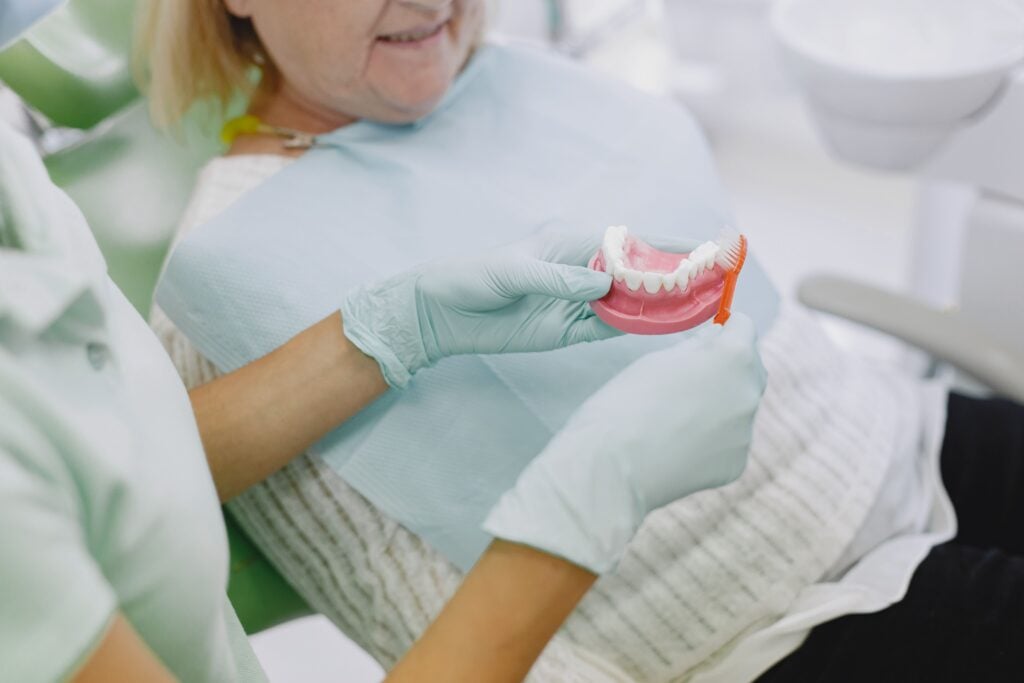
Losing a tooth is an incredibly frustrating experience. Whether it happens because of an unexpected injury or long-term decay, staring at a gap in your smile usually brings a wave of anxiety. For a lot of people, the immediate reaction is to just ignore it. If the missing tooth is in the back of your mouth where nobody can see it, you might convince yourself that replacing it isn’t a priority. You figure you can still chew reasonably well, and it doesn’t affect your daily conversations. However, ignoring the problem usually leads to a much more complicated dental situation down the road. Addressing that gap early on by exploring options like partial dentures saves you from a cascade of oral health issues. Waiting too long turns a simple replacement into a complex, expensive dental restoration. Here is why you shouldn’t delay treating your missing teeth.
The Domino Effect on Remaining Teeth
Your teeth rely on each other to stay in the correct position. They act as placeholders, keeping the entire row perfectly aligned. When you lose a tooth, that natural support system disappears. The teeth adjacent to the empty space no longer have anything pressing against them, and over time, they begin to shift into the vacant gap.
This shifting creates a domino effect throughout your entire mouth. As neighboring teeth move out of alignment, it changes your bite. Your upper and lower teeth might not fit together properly anymore, leading to discomfort every time you close your mouth or try to chew. Crooked, tilted teeth are also much harder to keep clean. Your toothbrush and dental floss can’t easily reach the new tight angles created by the shifting, which creates the perfect environment for plaque to hide. Before you know it, the healthy teeth surrounding the gap start developing cavities or gum disease. What started as one missing tooth quickly threatens the health of your entire smile.
Preserving Your Jawbone Health
Beneath the surface of your gums, your jawbone relies on constant stimulation to stay strong. Every time you bite down and chew your food, the roots of your teeth send signals down into the bone, telling your body to send nutrients to that area. When a tooth is extracted or falls out, that specific section of the jawbone stops receiving those signals.
Without stimulation, the body assumes the bone is no longer needed and begins to resorb it. The bone literally starts to shrink and melt away. If you delay getting a replacement, this deterioration can become severe. Eventually, the bone loss changes the actual shape of your face, giving your cheeks a sunken, prematurely aged appearance. If you wait years to finally address the missing tooth, you might find that you no longer have enough bone structure left to support certain types of dental implants or appliances. Stepping in early with a reliable replacement appliance provides the necessary structure to keep your remaining teeth stable and helps maintain the natural contours of your jawline.
The Toll on Digestion and Nutrition
Digestion begins long before food hits your stomach. The process starts in your mouth, where your teeth break down meals into manageable pieces. When you’re missing molars or premolars, your ability to chew tough, fibrous foods drops significantly. You might find yourself naturally gravitating toward softer, highly processed meals simply because they’re easier to manage.
Avoiding fresh fruits, raw vegetables, and lean proteins because they’re too difficult to chew deprives your body of essential nutrients. Over time, this forced dietary shift impacts your overall energy levels and immune system. Even if you try to eat your favorite healthy foods, swallowing larger, poorly chewed pieces forces your stomach to work much harder. This frequently leads to indigestion, acid reflux, and general stomach discomfort. Restoring your chewing surface allows you to maintain a varied, nutrient-dense diet without dreading dinnertime.
Protecting Your Mental Well-being
It’s easy to focus purely on the physical consequences of missing teeth, but the psychological impact is just as profound. Your smile is one of the first things people notice about you. When you feel self-conscious about a visible gap, it changes how you interact with the world. You might start covering your mouth when you laugh, smiling with your lips tightly closed, or avoiding social gatherings entirely.
This constant self-monitoring is exhausting. It chips away at your self-esteem and makes you hesitant to speak up during work meetings or enjoy casual conversations with friends. Your confidence takes a noticeable hit. Getting your smile restored isn’t just about vanity; it’s about reclaiming your comfort in social situations. When you know your teeth look complete and natural, you stop worrying about who’s looking at your mouth. You can finally relax, laugh freely, and project the confidence you actually feel inside.
Taking Action for Your Future
Putting off dental care is a common habit. We tell ourselves we’ll deal with it next year, or when we have more free time. But missing teeth don’t fix themselves, and the side effects only grow more complicated as the months roll by. By taking proactive steps today, you protect your remaining teeth from shifting, preserve your jawbone, and maintain your ability to eat the foods you love. You deserve to live without chronic dental discomfort or the lingering anxiety of an incomplete smile. Making the decision to address the issue now saves you time, money, and stress, ensuring your mouth stays healthy and functional for years to come.



More Stories
From an Alaska Drive-Thru Ritual to Lola Beans’ 130-Unit Development Pipeline
Securing the Lot: How to Keep Customer Vehicles Safe at Your Repair Shop
Stop Guessing, Start Testing: The True Benefits of A/B Testing on Your Website