


Remote work across time zones is simultaneously one of the most powerful and most mismanaged operational models in modern business. Done well, it provides access to global talent, enables continuous operational coverage, and creates a working environment that attracts high-performers who prioritize flexibility and autonomy. Done poorly, it produces communication delays that compound into project failures, cultural disconnection that drives attrition, and the exhausting asynchronous whack-a-mole of endless Slack threads that replace productive collaboration with reactive noise management. The difference between those two outcomes is almost entirely determined by the intentionality of the systems built before the first remote team member is hired.
The Fundamental Shift Remote Work Requires
Collocated teams can compensate for weak systems through proximity — a quick hallway conversation resolves an ambiguity, a shared physical space makes collaboration visible, and the spontaneous interactions that happen naturally in an office fill the communication gaps that underdeveloped processes create. Remote teams across time zones have none of these compensating mechanisms. Every system weakness that proximity masks in collocated work becomes an explicit problem in distributed work — because the problem has no informal resolution path available.
This is not a criticism of remote work — it is the recognition that remote work requires deliberate system design that collocated work gets away without. The businesses that build remote teams successfully do so because they designed communication systems, documentation practices, meeting cultures, and collaboration norms explicitly rather than assuming proximity’s compensating mechanisms would transfer to a distributed environment.
Establishing Overlap Hours That Enable Real-Time Collaboration
The first structural decision in building a cross-timezone team is defining the minimum overlap window — the hours during which all team members are expected to be available simultaneously for real-time collaboration. Without a defined overlap window, scheduling meetings becomes a puzzle with no reliable solution and the spontaneous synchronous communication that accelerates decision-making becomes impossible.
The overlap window should be:
Narrow enough to be manageable: Requiring eight hours of overlap from team members in time zones twelve hours apart is impossible; requiring two to four hours is reasonable and sufficient for the synchronous collaboration that most distributed teams genuinely need.
Defined and communicated before hiring: Every hire in a new time zone should understand the overlap expectation before accepting an offer — and the overlap window should factor into the hiring decision rather than being retroactively imposed after someone joins.
Protected from meeting overload: The overlap window is the team’s scarcest synchronous resource — meetings that don’t require synchronous participation should happen outside the overlap window through asynchronous alternatives, preserving the window for interactions that genuinely require real-time communication.
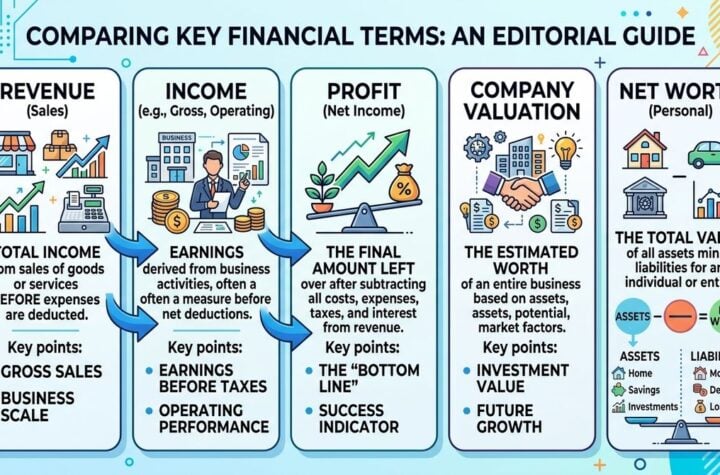
Understanding the remote work and organizational terminology that governs distributed team management — overlap hours, asynchronous communication, documentation-first culture, and time zone spread — is essential for building distributed team infrastructure on correctly understood operational concepts. Readers may also want to visit mortgage-2you.com.
Building an Asynchronous Communication Culture
The teams that succeed across time zones are those that default to asynchronous communication and reserve synchronous communication for situations that genuinely require it — rather than defaulting to synchronous communication and treating asynchronous as a fallback when real-time isn’t possible.
Asynchronous-first culture requires retraining communication habits that collocated work developed — the assumption that questions asked immediately receive answers immediately, that decisions require synchronous discussion rather than written deliberation, and that collaboration means being in the same conversation at the same time rather than contributing to the same document at different times.
The written communication discipline that makes async work:
Asynchronous communication fails when messages are too brief to be acted on without clarifying questions — creating the delay cascade where a question asked during US morning isn’t answered until US evening, the clarification isn’t received until the following morning, and a decision that should take hours takes days.
Effective asynchronous messages are complete — providing all context needed for the recipient to act without follow-up questions. They are specific about what response or action is needed and by when. And they are structured to be scannable rather than requiring sequential reading — because recipients deciding how to prioritize their reading need to identify urgency and action requirements quickly.
Communication channel discipline:
Remote teams that use multiple communication channels — email, Slack, project management tools, shared documents, and video — without explicit agreements about which channel is used for which communication type generate the channel confusion that produces missed messages and duplicated discussions across platforms. Defining explicitly which channel serves which purpose eliminates the uncertainty that makes remote communication more friction-heavy than it should be.
Documentation as the Infrastructure of Distributed Teams
The documentation that collocated teams skip because proximity makes it unnecessary becomes the operational infrastructure that distributed teams cannot function without. Every decision, every process, every project context, and every operating norm that exists in a single team member’s head in a collocated environment is a communication bottleneck in a distributed one — because accessing that knowledge requires either a synchronous conversation across time zones or an asynchronous exchange that introduces delay into every workflow that depends on it.
You can also visit private-bad-credit-lenders.com for more reading. The product development, community management, and marketing execution that drive successful consumer brands happen through documented systems and processes that allow team members to contribute independently — the documentation that enables this is built deliberately rather than emerging organically from shared physical presence.
The documentation-first decision-making norm:
In distributed teams, decisions made verbally in a synchronous meeting that aren’t documented immediately become decisions that different team members remember differently — particularly across the language and cultural diversity that global remote teams often include. Every significant decision should produce a written summary — the decision made, the alternatives considered, the rationale, and the owners of implementation — within twenty-four hours of the synchronous discussion.
Meeting Design for Distributed Teams
Meetings across time zones impose an asymmetric burden — someone is always attending outside their preferred working hours — that makes meeting discipline more ethically significant in distributed teams than in collocated ones. Every unnecessary meeting in a distributed team is an imposition on people whose time zone disadvantage makes that imposition more costly than it would be for a collocated team member.
The meeting practices that serve distributed teams:
Rotate meeting times rather than locking disadvantageous hours to specific team members: A team spanning San Francisco, London, and Singapore that always schedules meetings at times convenient for San Francisco is systematically imposing the overlap burden on London and Singapore. Rotating the inconvenient hours across team members signals that all team members’ time is valued equally.
Send pre-reading materials twenty-four hours before meetings: Team members who receive meeting materials in advance can prepare thoughtful contributions regardless of their time zone’s proximity to the meeting time. Team members who receive materials minutes before the meeting — because they were assembled in a time zone twelve hours away — cannot prepare equivalent contributions.
Record every significant meeting: Team members who couldn’t attend at their working hours should have access to the meeting’s content through asynchronous recording — with a written summary that makes the recording’s key points accessible without requiring full video consumption.
Building Connection Across Distance and Difference
The cultural and relational dimension of remote teams across time zones is the dimension most commonly neglected in the operational planning that consumes most distributed team building energy. A team that communicates efficiently but experiences no human connection beyond task coordination is a team whose members have no reason to go beyond minimum performance requirements and whose retention depends entirely on external employment market conditions.
Deliberate community building practices:
Virtual social gatherings — coffee chats between two team members from different time zones, virtual team activities that aren’t work-related, and personal sharing rituals at the beginning of team meetings — build the human relationships that make professional collaboration more productive and more sustainable than purely transactional working relationships.
Cultural awareness across diverse distributed teams:
Teams distributed across multiple countries and cultures navigate cultural differences in communication style — direct versus indirect, hierarchical versus egalitarian, relationship-first versus task-first — that affect collaboration quality significantly. Explicit acknowledgment of these differences, and investment in helping team members understand how their colleagues’ cultural backgrounds shape their communication preferences, produces more effective collaboration than assuming universal communication norms apply.
Hiring for Remote Work Effectiveness
Not every high-performer in a collocated environment is a high-performer in a distributed one. The additional self-management requirements of remote work — structuring one’s own time without the social accountability of shared physical space, maintaining communication discipline in the absence of spontaneous office interactions, and managing the isolation that even introverted workers sometimes experience in fully remote environments — produce performance differences between individuals that collocated environments don’t reveal.
Evaluating remote work effectiveness in hiring requires specific interview questions about how candidates have managed autonomous work, what communication habits they’ve developed for asynchronous environments, and how they’ve navigated the ambiguity that inadequate documentation creates in distributed teams. References from previous remote work environments are more predictive than references from collocated ones for candidates being hired into distributed roles.
Digital Compliance in Remote Team Operations
Remote teams use digital collaboration tools — project management platforms, communication tools, video conferencing systems, and document sharing platforms — that process significant volumes of employee personal data across international borders. Data transferred between team members in different countries triggers international data transfer obligations under GDPR and other applicable privacy regulations — including transfer mechanism requirements like Standard Contractual Clauses for transfers outside the European Economic Area.
For a related read on this site, see Building Accountability Without Micromanaging. This is particularly important for businesses with team members in GDPR jurisdictions, where the combination of employee data processing and website tracking creates compliance obligations that require proactive management rather than reactive remediation.
The Bottom Line
Building a remote team across time zones is not a modified version of building a collocated team — it is a fundamentally different operational challenge that requires deliberate system design where collocated teams rely on proximity’s natural compensating mechanisms. The businesses that build distributed teams successfully invest in asynchronous communication culture, documentation infrastructure, meeting discipline, and deliberate community building before those systems are needed rather than after their absence creates the problems that reveal the gaps. The global talent access and operational flexibility that distributed teams provide are genuine competitive advantages — available to the businesses willing to build the infrastructure that makes them work.



More Stories
How Founders Balance Reserve Funds and Outside Capital
How Founders Evaluate Real Estate for Long-Term Growth
How to Use Analytics to Make Smarter Business Decisions