

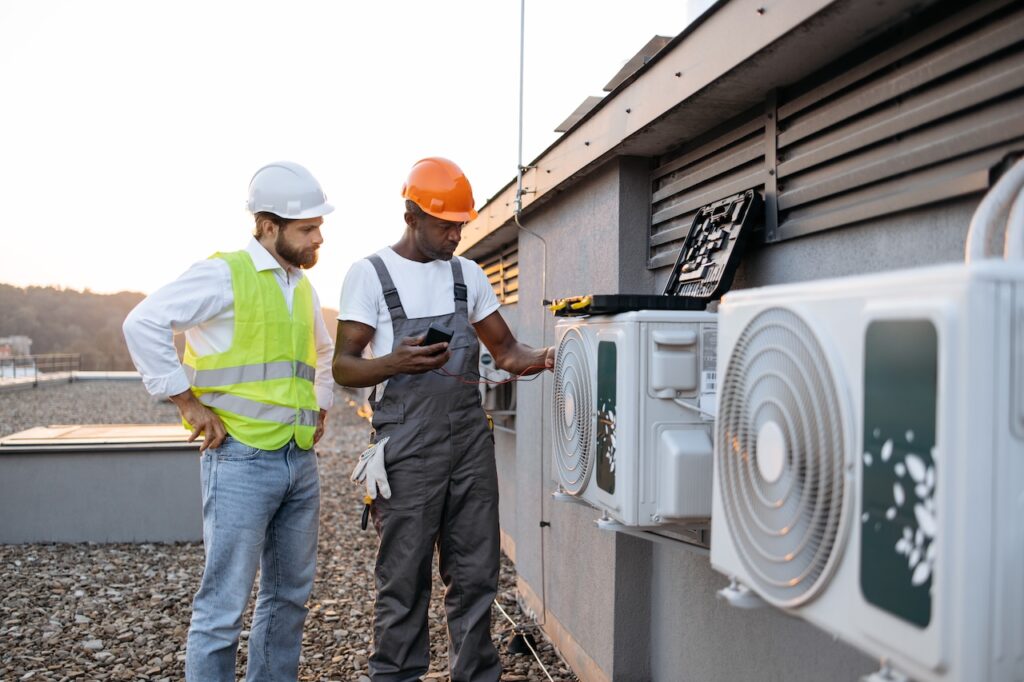
Maintaining your HVAC (Heating, Ventilation, and Air Conditioning) system is vital for ensuring its efficiency, longevity, and optimal performance. It’s not just about fixing things when they go wrong; regular HVAC maintenance is a proactive step toward avoiding unexpected breakdowns, improving energy efficiency, and ensuring comfort throughout the year. But what exactly does HVAC maintenance include? Below, we break down the key components of this crucial service.
1. Inspection and Diagnostics
One of the most basic elements of HVAC maintenance is a thorough inspection of the system. HVAC technicians assess the overall condition of your system, looking for signs of wear, damage, or impending failures. Inspections typically include:
- Checking thermostat settings to ensure proper operation.
- Examining electrical connections and tightening them as needed.
- Inspecting components like the blower motor, belts, and coils for damage or debris.
- Assessing refrigerant levels and checking for leaks in air conditioning units.
Regular diagnostic checks can catch small issues before they develop into significant, more costly problems.
2. Cleaning of System Components
Dust and debris can accumulate in various parts of your HVAC system over time, impacting efficiency and air quality. Maintenance appointments often involve cleaning vital components such as:
- Air Filters: Clogged or dirty filters can impair airflow and force the system to work harder, increasing energy consumption. Regularly cleaning or replacing them enhances performance.
- Coils: Both evaporator and condenser coils collect dirt over time, which reduces their ability to absorb and release heat efficiently.
- Ducts: Dust in air ducts not only clogs the system but also recirculates throughout indoor spaces. It’s vital to keep them clean for healthier air.
3. Lubrication of Moving Parts
Any HVAC system has numerous moving parts — fans, motors, and belts. These mechanisms require proper lubrication to function efficiently and to prevent premature wear. Neglecting this step could lead to noisy operation and even mechanical failure.
4. Calibrating and Testing Thermostat Performance
Your thermostat serves as the control center for your HVAC system. Technicians will ensure that the thermostat is correctly calibrated so it can accurately measure and regulate indoor temperatures. Advanced thermostats, such as programmable or smart thermostats, may also be inspected for software updates and overall functionality.
5. Ensuring Proper Airflow
Poor airflow is a common HVAC issue that’s often caused by blockages or leaks in ducts, a failing blower, or dirt buildup. During maintenance, technicians assess airflow rates and take steps to restore or optimize it. This directly impacts comfort and helps avoid straining your HVAC system.
6. Refrigerant Level Checking
For air conditioning units and heat pumps, proper refrigerant levels are critical. A system that’s low on refrigerant will struggle to cool or heat your space effectively and may lead to compressor damage if left unchecked. Technicians will measure and top up refrigerant levels as needed.
7. Electrical Component Maintenance
Loose wiring or electrical wear can compromise the safety and functionality of your HVAC system. During maintenance, all connections are checked and tightened. Additionally, technicians may test components like capacitors and relays to ensure consistent performance.
8. Safety Checks
Specific components, like combustion chambers in furnaces, are inspected for cracks, leaks, or any hazards that could pose a risk to your safety. This includes ensuring proper ventilation for heat-producing units and checking for carbon monoxide leaks.
9. System Performance Testing
Once all maintenance tasks are complete, the technician will often run a series of performance tests to verify that your HVAC system is operating at peak efficiency. This might include checking that the system reaches the desired temperature quickly and maintains it without frequent cycling or excessive power consumption.
Final Thoughts
HVAC maintenance is far more than a “nice-to-have” service; it’s an essential part of responsibly managing your systems and home comfort. By taking the time to schedule regular maintenance, you’re not only saving money in the long run but also ensuring a safe, efficient, and comfortable living environment. Looking for a trustworthy HVAC professional? Be sure to choose someone experienced and licensed for optimal results.



More Stories
5 Signs Your Business Needs Managed IT Support
Trading the Restaurant for the Waves: Why You Should Host Your Next Birthday on the Water
How Do I Get United Airlines Vacation Packages?