

Choosing the right toothbrush can have a significant impact on your oral health, yet it’s a decision many people overlook. With a variety of options available today, the choice between a manual and an electric toothbrush is key. Both types come with their own set of advantages, but understanding their differences can help you make an informed decision based on your needs.
Manual Toothbrush: A Classic Choice
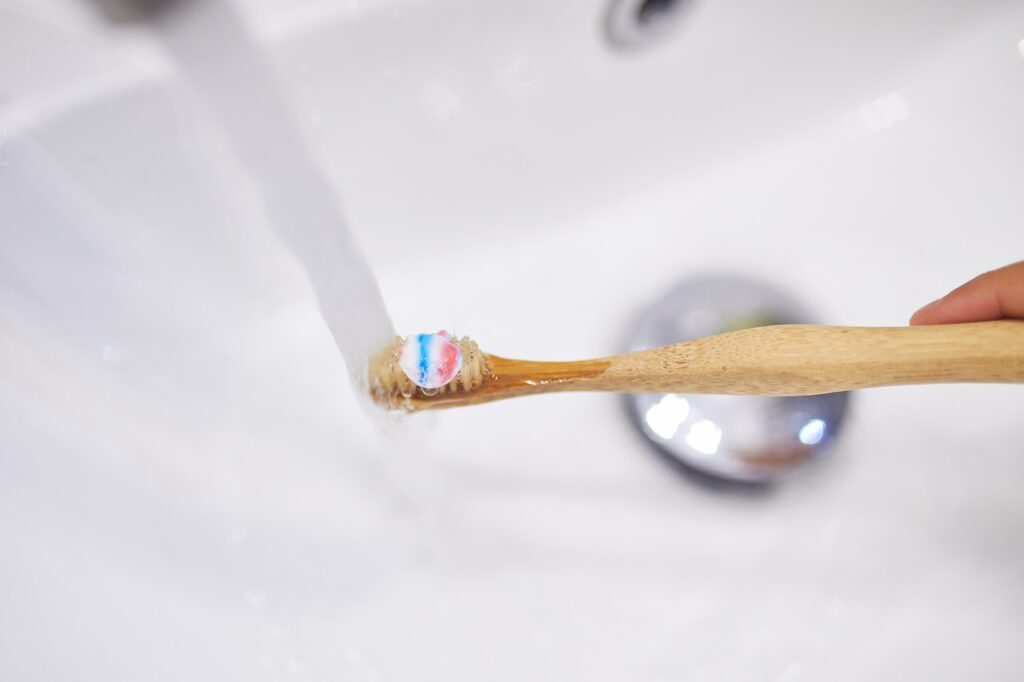
Manual toothbrushes are the go-to standard for oral hygiene. They’ve been around for centuries and remain a popular choice for many individuals.
Advantages of Manual Toothbrushes
- Cost-Effective Option: Manual toothbrushes are affordable and widely accessible. They don’t require charging or batteries, making them low-maintenance.
- Control Over Brushing Pressure: With a manual toothbrush, you can control how much pressure you apply, which is particularly useful for individuals with sensitive gums.
- Portability: Lightweight and compact, manual toothbrushes are ideal for travel or use on the go.
Who Benefits Most from Manual Brushes?
If you have a consistent brushing routine, good technique, and prefer a simple, no-frills option, a manual toothbrush may be the best choice for you.
Electric Toothbrush: Modern Technology for Better Cleaning
Electric toothbrushes have gained immense popularity over the years, and for good reason. They introduce advanced technology into your daily oral care routine.
Advantages of Electric Toothbrushes
- Ease of Use: Electric toothbrushes do the hard work for you. Their rotating or vibrating bristles help remove plaque more effectively, especially in hard-to-reach areas.
- Built-In Timers: Many electric toothbrushes feature timers to ensure you brush for the dentist-recommended two minutes.
- Enhanced Cleaning for Certain Groups: Individuals with limited mobility, such as those with arthritis or conditions affecting dexterity, often find electric toothbrushes more effective and easier to use.
Who Benefits Most from Electric Brushes?
Electric toothbrushes are perfect for those looking for an effortless and thorough clean. They also work well for people who struggle with maintaining proper brushing techniques using a manual toothbrush.
Factors to Consider When Choosing Your Toothbrush
There isn’t a one-size-fits-all answer when it comes to selecting a toothbrush. Your choice should depend on personal preferences and specific needs. Here’s what you should consider:
1. Your Oral Health Needs
Do you have sensitive teeth or gum disease? If so, soft bristles might be better, regardless of whether the toothbrush is manual or electric.
2. Budget Constraints
Think about how much you’re willing to spend. While manual toothbrushes are more affordable upfront, electric models are an investment in long-term oral care.
3. Convenience and Lifestyle
Consider your daily habits. Are you more likely to stick to a routine with an electric toothbrush that has smart features or a quick, portable manual brush?
4. Dentist Recommendations
Always consult your dentist for personalized advice. They can guide you toward the most effective option for your oral health needs.
Final Thoughts: Choosing What Works Best for You
The decision between a manual and electric toothbrush doesn’t have to be overwhelming. Both can be effective tools for maintaining oral hygiene when used correctly. A manual toothbrush might be the right fit for someone who values simplicity and affordability. An electric toothbrush, on the other hand, is ideal for those seeking ease of use and advanced features.
Ultimately, the best toothbrush is one that encourages you to brush properly and maintain consistent oral hygiene habits. Whichever option you choose, pair it with fluoride toothpaste and a good flossing routine to keep your smile healthy and bright.




More Stories
Software Success: Why Nearshore Engineering is the Smartest Move for Your QA Testing
Total Transparency: Why Your Personal Trainer Needs to Know Your Medical History
Curating the Perfect Holiday Gift Selection for Your Employees