

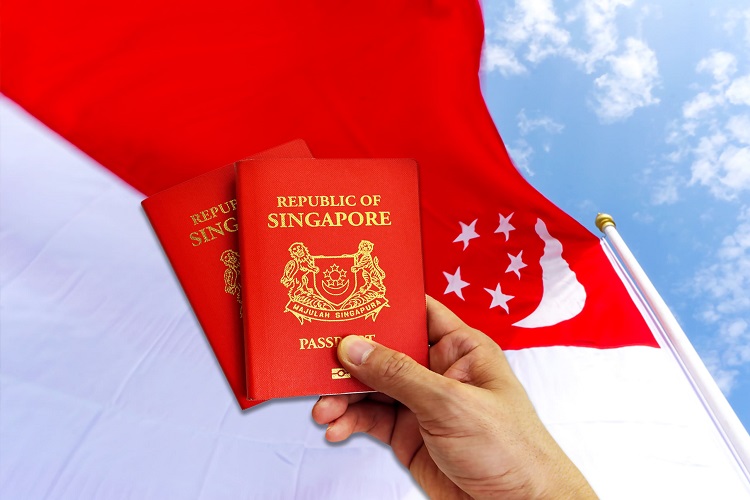
Singapore isn’t just a city. It’s a lifestyle. A booming economy, world-class infrastructure, top-tier schools, and a standard of living that makes you feel like you’re winning at life. So it’s no wonder that thousands of foreigners dream of becoming permanent residents here.
But let’s be honest. Applying for PR in Singapore can feel like navigating a maze blindfolded. Forms, documents, and requirements everywhere. Miss one thing, and your application could be delayed—or worse, rejected.
Don’t worry. In this guide, we’re going to break down everything you need to know about applying for permanent residency, so you can move from “just dreaming” to “PR approved” with confidence.
Understanding the PR Application Process
Before diving into documents and forms, it’s important to understand how the process works. PR applications in Singapore are handled by the Immigration and Checkpoints Authority (ICA), and they are selective. There isn’t a checklist that guarantees approval, but understanding the process will give you a huge edge.
Who Can Apply
Singapore allows a few categories of people to apply for PR:
- Employment Pass Holders – Professionals working in Singapore with valid employment passes.
- S Pass Holders – Mid-level skilled employees who have been contributing to Singapore’s economy.
- Students – Those who have studied in Singapore for a certain period and meet academic requirements.
- Family Members – Spouses, unmarried children under 21, or parents of Singapore citizens or PRs.
The key takeaway here: the longer you’ve contributed economically or socially, the better your chances.
The Timeline
From submission to outcome, the PR application process usually takes 4 to 6 months—sometimes longer. Patience is crucial, and attempting to rush the process rarely helps. Think of it like planting a tree: the roots take time to grow, but once they do, you’re set for the long term.
Essential Documents You’ll Need
Here’s where things get serious. The ICA requires proof that you’re a valuable addition to Singapore. The better your documentation, the stronger your case.
Personal Documents
- Passport – A clear copy of your current passport is a must.
- Birth Certificate – Showing your full name and date of birth.
- Photographs – Usually recent passport-sized photos with a neutral background.
Employment and Financial Documents
- Employment Pass or S Pass – Proof that you are legally working in Singapore.
- Payslips and Tax Statements – To show stable income and contribution to the economy.
- Employment Letters – Including current position, responsibilities, and duration of employment.
Pro tip: Organize your documents clearly. ICA officers appreciate applications that are neat and easy to review. Messy applications can subconsciously create doubt.
Highlighting Your Contribution to Singapore
One of the most overlooked aspects of the PR application is demonstrating your impact on Singapore. This isn’t just about money—it’s about showing that you’re invested in the country’s growth.
Economic Contribution
Your professional achievements matter. For example:
- Holding a key role in a company that’s growing the Singaporean economy.
- Skills that are in demand locally.
- Participation in industry events or conferences.
Social Contribution
This might sound less tangible, but it’s equally important:
- Volunteering or community involvement.
- Participation in school activities if you have children.
- Contributions to local charities or initiatives.
Remember, Singapore wants residents who enrich the society, not just live in it. Think quality over quantity.
Common Pitfalls and How to Avoid Them
Even if you have all the right documents, many applicants stumble because of simple mistakes. Avoid these to give yourself the best shot.
Mistake 1 – Incomplete Documents
Nothing kills an application faster than missing papers. Always double-check your checklist, and consider adding optional supporting documents to strengthen your case.
Mistake 2 – Inaccurate Information
Honesty is non-negotiable. Any discrepancies between your application and official records can lead to automatic rejection. Cross-check dates, names, and employment details.
Mistake 3 – Weak Personal Statement
Your personal statement is your chance to shine. Don’t just say, “I want PR.” Explain how you contribute to Singapore’s economy and community. Be concise, specific, and authentic.
Tips to Boost Your Chances of Approval
Applying for PR isn’t just about ticking boxes. It’s about strategically presenting yourself as a desirable resident.
Build a Strong Track Record
If you’re still early in your career, focus on creating a stable employment record. Singapore values consistency, responsibility, and growth.
Show Community Engagement
Even small efforts count. Volunteer work, local memberships, and participation in activities can show that you’re invested in Singapore’s society.
Seek Professional Guidance
Sometimes, a small expert tweak can make a big difference. PR consultants can review your application, highlight weak areas, and help you present yourself in the best light.
The Waiting Game
After submission, all you can do is wait. During this time, continue contributing positively to Singapore. Don’t change jobs or relocate unnecessarily, as stability is a big plus in the eyes of ICA.
Remember: patience is part of the strategy. The ICA wants residents who are committed for the long haul.
Conclusion
Getting PR in Singapore isn’t just about filling forms—it’s about showing value, consistency, and commitment. By organizing your documents, highlighting your contributions, and avoiding common pitfalls, you significantly increase your chances of success.
Think of it like building a personal brand. You want ICA to see you as a professional, a contributor, and someone who genuinely belongs in Singapore. Do that, and your PR application won’t just be paperwork—it will be a story of why Singapore should say, “Yes, welcome home.”
So, take a deep breath, gather your documents, and start preparing today. Your Singapore dream is closer than you think.



More Stories
Why Do People Choose Personal Loans for Their Financial Needs?
The Villa Looks Perfect. What Should You Check Before Buying?
How Account Equity Changes as Forex Positions Move