

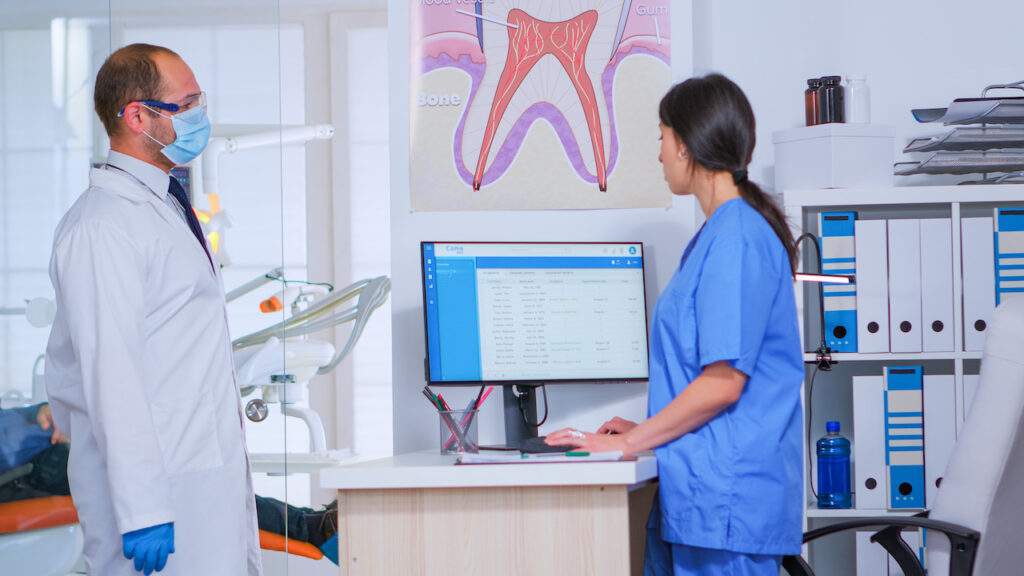
As dental offices increasingly adopt digital solutions, the importance of robust cybersecurity practices has never been higher. From electronic health records (EHRs) to patient portals, the vast amount of sensitive data stored makes dental offices prime targets for cybercriminals. But the landscape is evolving, and forward-thinking practices are using innovative IT trends to stay ahead of threats.
This article explores seven emerging cybersecurity trends shaping the future of IT in dental offices and how these trends can safeguard sensitive patient data while improving operational efficiency.
1. Advanced Encryption Standards
Encryption tools are becoming smarter and more robust. For dental practices, securing sensitive data such as health records, payment information, and communications is non-negotiable. Encryption algorithms like AES-256 are increasingly being utilized to protect both data at rest and data in transit. Dental offices adopting this standard are ensuring that even if their systems are breached, the data remains unreadable and unusable to unauthorized users.
2. Adoption of Zero Trust Architecture
Zero Trust is a rapidly growing cybersecurity framework based on the principle of “never trust, always verify.” This means that even if someone gains access to the internal system, they are continually vetted before accessing files or systems.
In dental offices, this could take the form of strict user authentication, role-based access controls, and continuous monitoring. Admins can ensure that only verified personnel have access to specific systems, drastically reducing the risk of insider threats or compromised accounts.
3. AI-Powered Threat Detection
The rise of artificial intelligence (AI) has transformed cybersecurity by providing predictive analytics and real-time threat detection. Instead of relying on reactive measures, dental offices are now using AI-based tools to monitor network activity and flag unusual patterns that could indicate a breach.
Why it matters: Proactive threat detection reduces the risk of ransomware attacks, malware infections, and unauthorized access to sensitive information.
4. Ransomware-Resistant Backups
Dental offices are increasingly adopting sophisticated backup solutions to mitigate the risk of ransomware attacks. These solutions not only store backup data offline to prevent it from being encrypted by attackers but also employ point-in-time recovery to revert systems to their state before the attack.
5. Endpoint Security for Mobile Devices
With the growth of mobile-friendly dental software and remote working, endpoints like smartphones, tablets, and laptops are becoming primary targets for hackers. Dental practices are integrating endpoint detection and response (EDR) solutions to secure these devices.
EDR solutions provide real-time monitoring, automatic threat responses, and secure access controls to ensure that mobile devices are as protected as in-office networks.
6. HIPAA-Compliant Cloud Solutions
Cloud-based systems are revolutionizing dental practice management by providing access to EHRs, scheduling tools, and communications software from anywhere. However, not all cloud systems are created equal, and dental practices are selectively migrating to HIPAA-compliant platforms.
These platforms provide encryption, account controls, and audit trails to meet regulatory requirements and keep data secure.
7. Employee Cybersecurity Training
Technology alone won’t secure dental offices. Human error remains one of the leading causes of cybersecurity breaches. To combat this, practices are investing in comprehensive cybersecurity training programs for their teams.
Training covers everything from recognizing phishing emails to safely handling sensitive data, ensuring that every employee is equipped with the tools and knowledge to prevent attacks.
Preparing for the Future of Cybersecurity in Dental Offices
The stakes for cybersecurity are higher than ever in the dental industry, but the trends shaping the future of IT provide an incredible opportunity for practices to enhance security and efficiency. From advanced encryption to employee training, adopting these practices will not only protect patient data but also establish your office as a trustworthy provider in the eyes of your clients.




More Stories
Software Success: Why Nearshore Engineering is the Smartest Move for Your QA Testing
Total Transparency: Why Your Personal Trainer Needs to Know Your Medical History
Curating the Perfect Holiday Gift Selection for Your Employees