

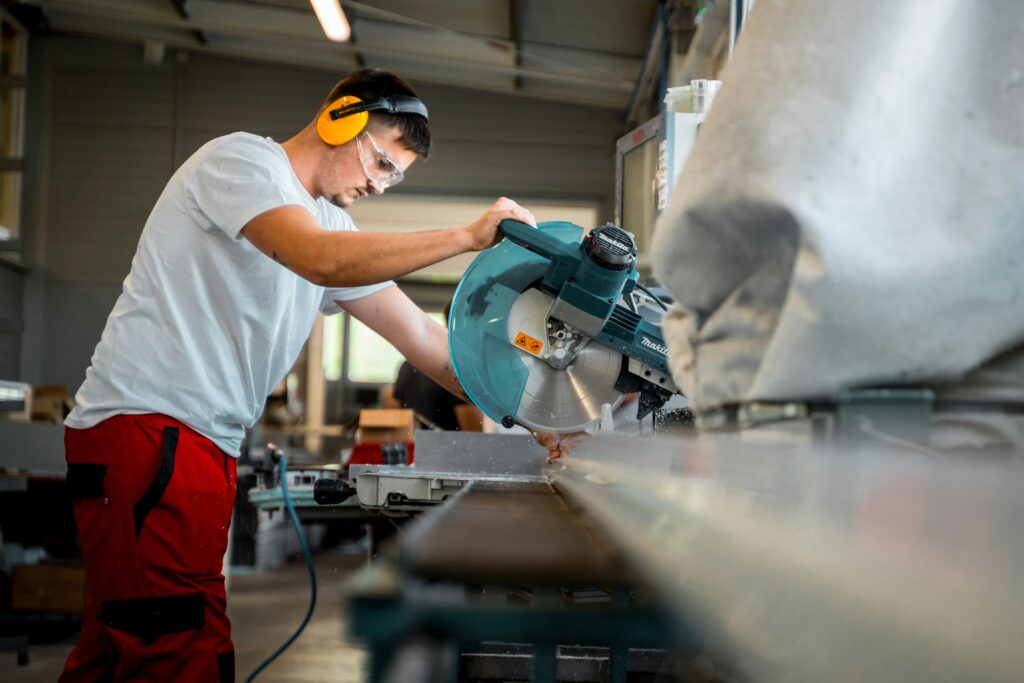
Across the country, the appetite for American-made products is growing, but turning that sentiment into sales requires more than just patriotism. The latest findings from the 2025 DuraPlas Made in America Survey reveal that U.S. manufacturers are at a pivotal juncture. Consumers are increasingly open to buying domestically made goods, but their willingness depends on access and affordability. The data is clear: domestic brands have a window of opportunity—if they can strike the right balance between performance, price, and presence.
Why Sentiment Alone Won’t Close the Deal
The emotional pull of buying American has never disappeared. It’s ingrained in the national conversation, from dinner tables to boardrooms. What has changed is the context in which those decisions are made. Consumers are feeling the effects of global instability, supply chain bottlenecks, and economic uncertainty. Those pressures are prompting them to rethink the benefits of sourcing closer to home. Survey data shows that 79% of consumers say they would consider buying American if tariffs increase the cost of imports. That’s more than a patriotic sentiment—it’s a signal that global economic shifts could tilt the scales in favor of U.S. manufacturers, provided they’re ready to seize the moment.
Still, sentiment alone won’t seal the deal—cost remains a critical factor. Half of survey respondents said they would consider buying U.S.-made products if the price difference is reasonable. That “if” carries weight, highlightinging the need for American manufacturers to keep pricing competitive. A superior product isn’t enough—it has to be priced within reach. While the reshoring narrative often leans on pride and economic resilience, the survey findings offer a reality check. Consumers are practical, and their wallets often speak louder than their values.
Reliability at a Reasonable Price Is the New Standard
That doesn’t mean the door is closed for domestic brands. On the contrary, the opportunity is wide open for companies that can deliver quality and reliability at a fair price. Consumers are showing a clear willingness to support U.S. manufacturers, but they need a compelling reason—something beyond marketing slogans and country-of-origin labels. They’re looking for assurance: that the product works, lasts, and offers value that justifies the investment.
For manufacturers, that means going beyond messaging and doubling down on product development, quality control, and logistics. Winning the wallet means delivering not just a product, but a consistent experience. It’s an invitation to think differently about what “Made in America” stands for. Rather than a relic of the past or niche positioning, it can become synonymous with modern performance and reliability. These are attributes that resonate just as strongly as price.
Access Is the Final Barrier to Widespread Adoption
Accessibility also plays a central role in purchasing behavior. Even the most loyal consumers can’t buy what they can’t find. 61% of consumers say they’d go the extra mile for a product that delivers real value, according to the survey. That’s encouraging—but it also raises the stakes. It suggests that while some consumers are willing to go the extra mile, many won’t.
To compete effectively, domestic brands must invest in robust distribution strategies that match the reach of global competitors. Visibility, online and in-store, is not a luxury; it’s a necessity in a market where convenience often outweighs intent and attention is constantly fragmented.
If quality is the hook and price is the clincher, then access is the closer. These three elements don’t operate in silos—they build on one another. Quality sparks interest. Price eases hesitation. Access enables action.
The research underscores a key point: American manufacturers don’t need to win on every front—they just need to be where it matters, with the right product at the right price.
The Brands That Will Win Are Already Building for the Long Term
This isn’t just a conversation about manufacturing. It’s a challenge to rethink how domestic brands engage with consumers who are increasingly discerning. The growing openness to buying American is not a guaranteed windfall but a signal of possibility. It points to a consumer base that is ready to be convinced, ready to be loyal, and ready to shift—if the product meets their standards and fits their budget.
In the end, the advantage belongs to brands that treat “Made in America” not just as a label but as a promise—a promise of performance, fairness, and reliability. Domestic manufacturers are facing a rare moment of alignment: consumers are watching, receptive, and even hopeful. What they need now is proof—not just that American-made goods are available, but that they are worth choosing.
The future won’t belong to the loudest voice in the market. It will belong to the most consistent. For domestic brands willing to innovate, streamline, and deliver, that future is within reach. And for those that can combine product excellence with affordability and accessibility, the moment to win isn’t on the horizon—it’s already here.




More Stories
5 Key Benefits of Managed IT Security for Growing Businesses
Realme 14 Pro Plus 5G vs Realme 14 Pro 5G Which Pro Series Model Delivers More
What Is a Credit Card and How Can It Add Value During Festivals?