


Cooking for one can feel like an odd mix of freedom and frustration. Many recipes serve four, and packets in the shop often seem designed for families. Yet a single cook can eat well, enjoy variety, and avoid waste with a little planning. This article walks through practical habits that suit a small kitchen and a modest appetite, from shopping lists to freezer labels. You may also find helpful online resources that explain portion sizes, but the approach below works well without any special tools or equipment.
Shopping with a smaller basket in mind
Start at the shop with a list that matches the number of meals you actually plan to cook. Buying for a full week of dinners rarely works when half the vegetables end up in the bin by Sunday. Choose a handful of versatile items, such as onions, eggs, rice, and tinned beans, which keep well and combine easily with many other ingredients.
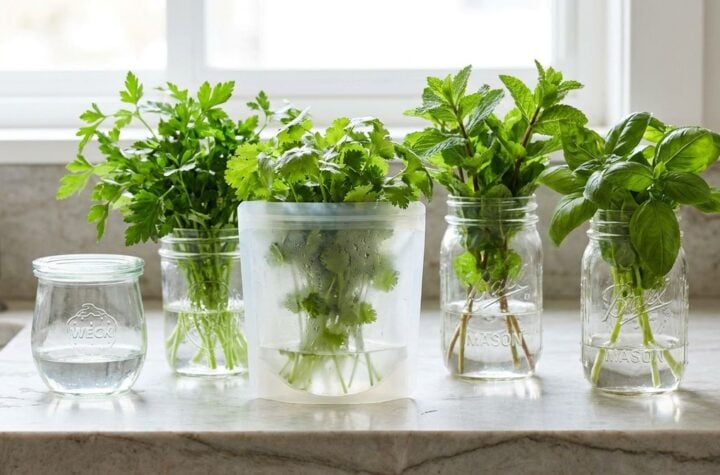
Look carefully at loose produce, where you can often buy exactly what you need. A small bunch of herbs or a single pepper is worth considering, even if it costs a little more per item. The saving on food that is never wasted often outweighs the difference on the shelf, and it keeps the fridge less crowded.
Avoid shopping when hungry, because hunger tends to add unplanned extras to the trolley. A quick check of what is already in the cupboard before leaving the house prevents duplicate purchases and keeps the list honest.
Turning one cooked ingredient into several meals
A single cooked ingredient can become the starting point for several different meals. Roast a tray of vegetables on a quiet afternoon, then add them to a warm grain bowl, a wrap, or a simple soup later in the week. This approach keeps the active cooking time short while the flavours stay fresh and varied.
Cook grains and beans in batches, then portion them into containers. Label each one with the date so you know what to eat first. Stored carefully in a cold fridge, many cooked foods keep well for a short period, but you should always follow the storage advice on the packaging and the food safety guidance in your area.
Repurpose leftovers with confidence rather than boredom. A curry can become a filling for a baked potato, and stale bread can be toasted into crumbs for a crisp topping. Small changes keep meals interesting without much extra effort, and they make the kitchen feel generous even when the portion is small.
Freezing with confidence
The freezer is a powerful ally for solo cooks, but it works best when it is used deliberately. The list below suggests a simple routine for freezing portions safely and finding them again later:
- Cool cooked food quickly before placing it in the freezer, using a shallow dish.
- Divide large batches into single portions in suitable containers or bags.
- Write the contents and the date on every container before it goes in.
- Lay flat bags so they freeze quickly and stack neatly on a shelf.
- Use frozen portions within the period recommended on the packaging.
Keep a short list taped inside the freezer door so you can track what is inside. Many people find that a quick glance prevents forgotten packets lurking at the back of the drawer for months. A clear list also helps when a friend asks what you might like to eat tonight.
If you are unsure how long a food keeps, check trusted food safety guidance from a public health body in your country. When in doubt, it is better to throw food away than to risk illness, and it is worth remembering that freezing does not make food last indefinitely.
Making small quantities of sauces and stock
Sauces and stocks are often sold in large amounts, which can be hard to use before they spoil. Making small versions at home solves this problem. A spoonful of tomato sauce or a cup of vegetable stock can be made in a single pan and used within the same week, so nothing sits forgotten at the back of the cupboard.
Vegetable trimmings, such as onion skins, carrot ends, and celery leaves, can be saved in a bag in the freezer and simmered into stock when the bag is full. This habit turns scraps into something useful, and it also reduces the number of items you need to buy. Remember to strain the stock well and cool it promptly before storing it.
Keep the cooking liquid from beans or pasta to hand, because it can help loosen a sauce without adding anything new. Small habits like these make cooking for one feel thoughtful rather than limited, and they give meals a depth of flavour that is easy to enjoy.
Readers may also want to visit wkbn. You can also visit kavkazweb.net for more reading. You can also seek advice from a registered dietitian if you have particular health needs, since general tips cannot account for every condition. Cooking for one rewards patience and curiosity, and with a few steady habits the kitchen can feel like a place of pleasure rather than a pile of leftovers.
Keeping the cupboard honest
A regular check of the cupboard prevents forgotten packets from quietly passing their best. Move older items to the front and make a plan to use them within the next few meals. Doing this once a season is often enough for a small household, and it takes only a few minutes.
Many solo cooks find that a small notepad on the fridge is all they need. Write down what needs using up and cross it off once it is finished. This simple record works far better than memory when work and social plans fill the week.



More Stories
Packing Lunches Again for the First Time Without Burning Out
Batch Cooking Plans for Cooks Who Start Work at Odd Hours
Grocery Planning for Moving Day Meals When the Kitchen Is Packed