

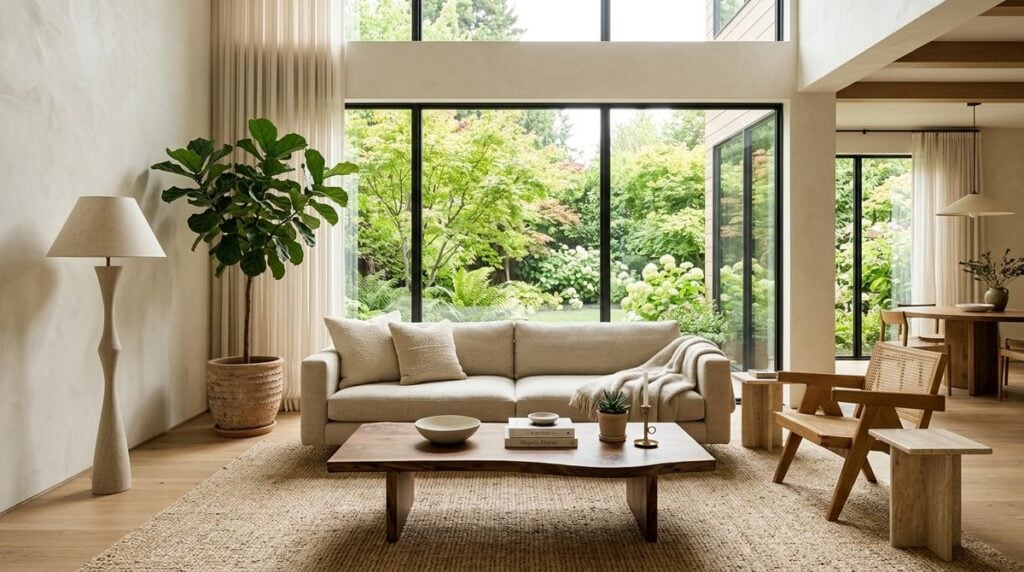
Traditional residential design practices have long relied on formal presentations where designers unveil static proposals and clients passively approve or request revisions. While this conventional framework produces polished spaces, it frequently leaves homeowners feeling disconnected from the creative journey. Enterprising founders are challenging this dynamic by creating experiential interior design studios that prioritize interactive, guided design experiences.
By turning space planning into an active collaboration, these modern studios demystify the design process. Clients learn firsthand how spatial flow, lighting, and tactile materials affect their daily lives, transforming abstract blueprints into tangible comfort. For founders, this model builds deeper client trust while creating a highly differentiated service offering in a competitive home services market.
Launching an experiential studio requires balancing creative facilitation with operational discipline. Founders must master the art of guiding non-designers through complex choices while ensuring that every concept translates into safe, functional, and durable execution.
Developing an Interactive Consultation Model
The cornerstone of an experiential design studio is replacing standard boardroom meetings with immersive discovery workshops. Founders structure these sessions around guided exercises where clients actively test fabric combinations, evaluate physical floor plans, and explore how lighting shifts across different hours of the day.
Rather than asking clients to interpret technical schematics, facilitators provide modular layout kits and tactile swatches that make spatial experimentation accessible. This collaborative discovery helps reveal subtle lifestyle requirements that traditional questionnaires often overlook, such as how household members move through communal areas or where natural light best supports daily routines.
Many successful studios begin by turning the standard consultation into a structured social or family session. Instead of handing over a static catalog, facilitators guide clients through hands-on room layout exercises and aesthetic discovery. Platforms like decoratingparty.com demonstrate how collaborative planning helps property owners articulate what makes a space genuinely livable, making the initial design phase both engaging and practical.
By inviting clients to become co-creators early in the journey, studios eliminate much of the friction associated with late-stage revisions. When homeowners understand why a specific traffic pattern works or why certain furniture dimensions suit their room, they make confident decisions and develop genuine pride in the final outcome.
Bridging Creative Vision with Practical Improvement
A common pitfall for emerging design studios is prioritizing visual aesthetics while overlooking the structural and mechanical realities of residential construction. An engaging workshop might generate inspiring aesthetic concepts, but those ideas falter if they fail to account for ventilation, electrical capacity, load-bearing walls, or building safety standards.
Founders who build lasting businesses ground every creative exercise in functional engineering. They establish clear feasibility parameters before design sessions begin, ensuring that client enthusiasm aligns with realistic structural possibilities. This balance protects project timelines and maintains client trust when technical constraints require adjusting a decorative idea.
A successful design studio cannot afford to ignore structural realities and maintenance demands. When clients explore layout updates, founders must ensure that materials, lighting, and environmental systems support long-term comfort. Providing educational references, such as the home improvement advice on betterhomeguide.com, helps clients and trade partners align on essential safety upgrades, energy efficiency, and durable construction practices before cosmetic installations begin.
Educating clients on these practical foundations elevates the studio from a mere styling service to a comprehensive space consultancy. Clients appreciate understanding how insulation, humidity control, and electrical layouts influence the comfort and longevity of their living spaces, leading to smoother project approvals.
Standardizing the Studio Workflow and Toolkits
To scale an interactive service, founders must develop repeatable systems that deliver consistent quality without exhausting the core team. Experiential workshops can easily become disorganized if facilitators lack clear structures, defined timeframes, and organized material kits.
Studio leaders establish standardized toolkits that streamline both preparation and execution. Gathering room measurements, site photos, and family activity profiles before the session ensures that time spent in the studio is focused and productive. This disciplined preparation allows facilitators to guide clients efficiently through design choices.
A streamlined operational toolkit typically includes several essential components:
- Pre-session spatial assessments to collect accurate room dimensions and identify structural obstacles.
- Curated material discovery boxes featuring standardized tactile samples of wood, stone, metals, and textiles.
- Scaled physical templates and magnetic boards that allow clients to test furniture configurations intuitively.
- Post-workshop synthesis briefs that translate participatory decisions into clear scopes of work for contractors.
Standardizing these tangible touchpoints allows the studio to onboard junior facilitators and expand capacity. When the discovery framework is clearly documented, the firm can scale its signature workshop format across multiple project tiers while preserving the intimate quality of the experience.
Expanding Services from Concept to Full Implementation
While workshop facilitation provides healthy cash flow and low overhead, significant revenue opportunities arise after the initial planning phase. Once clients finalize their vision, they frequently ask the studio to oversee procurement, trade coordination, and final installation.
Transitioning from advisory workshops to comprehensive project delivery requires expanding trade networks and tightening project management protocols. Founders must build vetted relationships with finish carpenters, electricians, custom fabricators, and upholstery artisans who share the studio’s commitment to craftsmanship.
As client relationships deepen, studios often receive requests to manage comprehensive fabrication and high-touch installations. Founders must decide whether to remain pure facilitators or expand into hands-on project management. Navigating this transition mirrors the operational discipline required when scaling an interior detailing business, where preserving exacting craftsmanship requires clear contractor vetting, supply chain reliability, and repeatable site management.
Managing this expanded scope successfully depends on clear communication protocols. Founders establish regular progress summaries, transparent procurement schedules, and milestone walkthroughs to ensure that the physical installation faithfully reflects the collaborative vision established during the workshops.
Sustaining Growth Through Strategic Client Retention
The long-term health of an interior design enterprise relies on repeat engagements, community recommendations, and strong ties with skilled trades. Because experiential studios center on human interaction, they naturally form tighter bonds with clients than transactional design firms.
Maintaining these relationships requires thoughtful post-project engagement. Successful founders conduct follow-up visits several weeks after project completion to evaluate how the space functions in daily routines and to address minor adjustments. This proactive support reinforces client satisfaction and often uncovers opportunities for future room transformations.
Equally vital is nurturing trade partnerships. Subcontractors and suppliers appreciate working with studios that provide clear specifications and well-prepared clients. By filtering client uncertainty through structured workshops before construction begins, founders save tradespeople valuable time on site, earning preferred scheduling and dedicated attention for their projects.
Ultimately, experiential design studios succeed by blending creative collaboration with rigorous project execution. Founders who respect structural reality, standardize their workshop methods, and honor trade relationships build enduring enterprises that make meaningful contributions to how people experience their homes.


More Stories
How Founders Launch an Architectural Lighting Design Studio
How Founders Launch a Sustainable Home Upgrade Venture
How Founders Build a Post-Construction Fine Cleaning Firm