

Physical storefronts, creative studios, and corporate offices represent substantial capital commitments for modern entrepreneurs. While founders invest significant energy into branding, customer acquisition, and product development, the physical infrastructure supporting those efforts often remains an afterthought until an unexpected disruption halts normal operations. Whether facing regional grid failures, seasonal storm damage, or unexpected environmental contamination, commercial continuity hinges directly on how effectively a facility can withstand external pressures.
Building a resilient workspace is not merely about planning for rare catastrophes. A well-prepared physical environment protects staff wellbeing, safeguards valuable inventory, and preserves hard-won client trust when municipal infrastructure falters. Founders who prioritize operational durability create stable foundations that support continuous growth, minimize costly downtime, and maintain employee productivity through unpredictable disruptions.
Evaluating Physical Vulnerabilities Across Daily Operations
Every commercial property possesses distinct structural vulnerabilities that depend on building age, local climate patterns, and existing utility arrangements. Entrepreneurs often overlook basic environmental risks because pressing daily business needs consume immediate attention. A comprehensive assessment begins by identifying the core mechanical and structural systems required to keep the business operational during localized crises.
Founders should examine how their physical premises handle essential utility inputs, including electrical power, municipal water, heating, and ventilation. Identifying critical points of failure helps leadership teams understand where targeted investments in infrastructure can prevent extended operational shutdowns. For example, sensitive inventory, refrigeration units, or critical on-site server hardware might require dedicated environmental control to avoid catastrophic heat damage during extended cooling failures.
Routine physical audits should extend beyond visible customer areas to encompass back-of-house storage, utility access panels, and delivery bays. Minor plumbing leaks, inadequate roof insulation, and outdated electrical wiring create persistent hazards that can compound unexpected emergencies. Addressing these weaknesses early establishes a dependable baseline of physical reliability across the entire facility.
Securing Reliable Backup Utilities for Power Outages
Electrical grid disruptions pose an immediate, tangible threat to modern commercial enterprises. When power abruptly fails, point-of-sale terminals shut down, digital communication networks go dark, and temperature-sensitive products begin to spoil. Rather than assuming municipal utilities will restore electricity quickly, practical business leaders develop dependable contingency plans that keep baseline functions active.
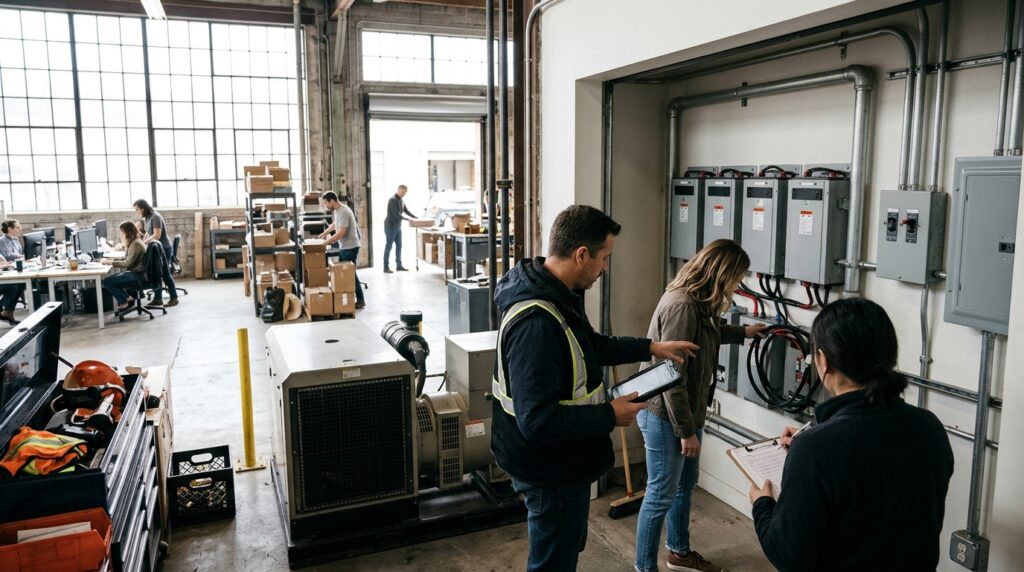
A dependable backup generator provides the necessary electricity to keep critical lighting, payment processing, and essential preservation equipment running smoothly. Many business owners prefer versatile generators that operate on both gasoline and liquid propane, offering valuable flexibility when traditional gas stations face regional supply shortages. Entrepreneurs evaluating their facility power requirements can consult research guides at bestdualfuelgenerator.com to understand equipment capacities and select dependable systems suited for commercial use.
Implementing backup power requires careful spatial planning and adherence to safety fundamentals. Generators must always be operated outdoors in open, well-ventilated areas to prevent hazardous carbon monoxide accumulation. Installing dedicated manual or automatic transfer switches and securing high-grade cable routing ensures that essential circuits receive immediate power without overloading the unit or endangering facility staff.
Maintaining Air Quality and Facility Cleanliness Standards
Operational resilience involves the invisible environmental factors inside a building just as much as heavy machinery and backup power. Poor indoor air quality, persistent dust accumulation, and inadequate sanitation quietly degrade employee productivity, increase sick leave, and reduce overall morale over time. In customer-facing environments, a stale, stuffy, or unclean atmosphere damages brand perception almost immediately.
Commercial spaces frequently accumulate microscopic airborne pollutants from heavy outdoor traffic, industrial emissions, and synthetic building materials. Improving indoor airflow with commercial-grade filtration systems actively captures particulates and allergens before they circulate through office cubicles or retail showrooms. Founders looking to troubleshoot facility sanitation and indoor environmental problems can visit air-safecleaner.com for actionable advice on maintaining clean, comfortable indoor spaces.
Establishing proactive sanitization routines further protects the working environment against biological and chemical hazards. Choosing safe, non-toxic cleaning agents ensures that high-touch surfaces remain clean without introducing harsh fumes or volatile organic compounds into the shared air supply. Regularly servicing heating, ventilation, and air conditioning filters prevents mechanical strain and prolongs the operational lifespan of expensive climate control equipment.
Integrating Safety Protocols Without Sacrificing Customer Appeal
Entrepreneurs frequently struggle to balance practical safety installations with an attractive visual aesthetic. Heavy utility equipment, wall-mounted shutoff panels, and commercial air scrubbers can appear bulky or industrial inside an otherwise curated boutique, restaurant, or creative agency. However, thoughtful spatial design allows founders to incorporate resilience measures seamlessly into their customer-facing layouts.
Strategic floor planning can conceal backup power connections and high-efficiency filtration hardware while keeping them completely accessible for regular maintenance. As explored in our guide on designing inviting commercial retail spaces, functional utility elements should harmonize with decorative millwork, deliberate lighting choices, and open customer pathways. When resilience features blend naturally into the broader interior scheme, visitors enjoy a safe, comfortable experience without being distracted by industrial fixtures.
Clear, unobtrusive safety signage also supports facility compliance without detracting from customer comfort. Primary exit pathways, emergency shutoff switches, and fire equipment should remain distinctly marked and completely unobstructed by display fixtures or excess merchandise. This disciplined balance ensures both regulatory compliance and a warm, inviting guest atmosphere.
Establishing Actionable Readiness Checklists for the Team
Even the most advanced physical infrastructure fails to protect an enterprise if the staff lacks the practical knowledge to operate it during an emergency. Business owners must translate facility preparations into clear, repeatable procedures that team members can execute calmly under pressure. Well-documented protocols eliminate hesitation and build collective confidence across the workforce.
Developing an operational maintenance and response checklist ensures that critical readiness tasks happen consistently throughout the year. Key elements of a reliable workplace resilience routine include:
- Testing emergency lighting systems and backup power units on a regular monthly schedule.
- Inspecting ventilation filters and high-touch surface hygiene standards across common work areas.
- Verifying that emergency contacts, utility shutoff valves, and first-aid kits are fully accessible.
- Designating primary and secondary team leaders responsible for facility oversight during disruptions.
- Reviewing data backup protocols to protect digital assets if physical access becomes temporarily restricted.
Conducting brief operational walkthroughs with staff reinforces these procedures and helps identify unexpected blind spots before an actual emergency arises. When employees understand precisely where utility controls reside and how backup equipment operates, the entire organization can respond quickly and cohesively to sudden facility challenges.
Sustaining Long-Term Operational Confidence
Investing in physical resilience transforms unexpected business disruptions from potential catastrophes into manageable operational events. By pairing dependable backup utilities with clean indoor air standards and disciplined safety routines, founders establish workspaces capable of enduring adverse circumstances with minimal disruption.
A resilient facility delivers enduring business value that extends far beyond emergency preparedness. Staff members perform better in healthy, secure surroundings, while clients develop deep trust in enterprises that maintain reliable operations when competitors falter. By treating facility resilience as a core entrepreneurial discipline, business owners safeguard their physical assets and lay the groundwork for long-term commercial success.

More Stories
How Real Estate Founders Turn Raw Land into Thriving Homes
How Founders Turn Residential Properties into Guest Havens
How Founders Design Inviting Commercial Retail Spaces