

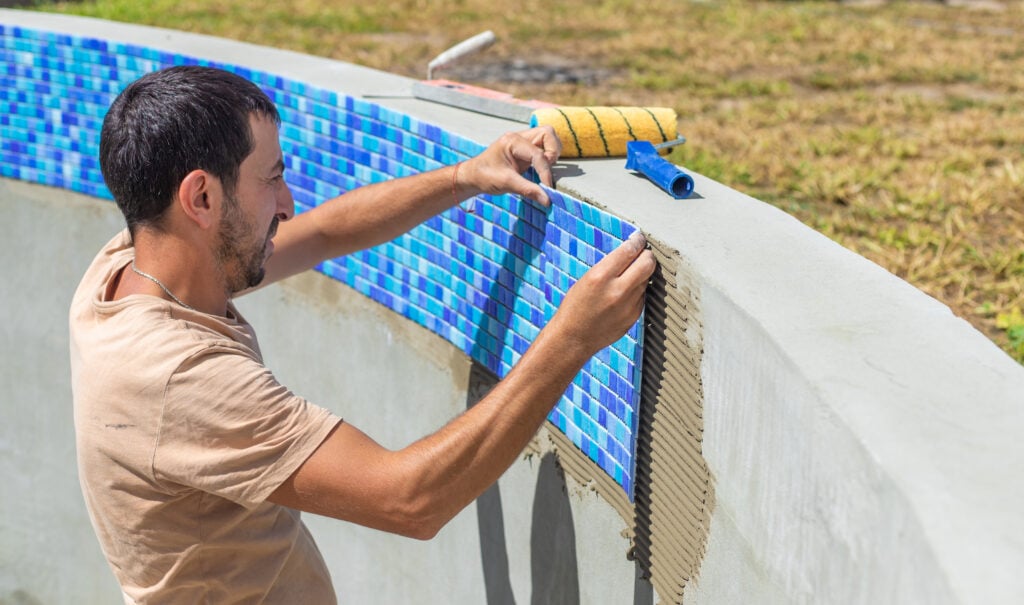
Dreaming of a backyard pool is the easy part. Turning that dream into a finished, swimmable reality takes more groundwork than most homeowners expect. Before any pool builder can break ground, your property needs to meet a handful of practical requirements. Skipping this prep work is one of the most common reasons pool projects stall, run over budget, or get delayed by months. Here’s what actually needs to happen before a pool becomes possible.
Start With a Property Assessment
Every pool project begins with understanding what you’re working with. A qualified pool builder will walk your property to evaluate slope, soil composition, and overall layout. Sloped yards may require retaining walls or additional excavation, while soil type determines what kind of foundation work is needed. Sandy soil behaves very differently than clay-heavy ground, and rocky terrain can significantly change both the timeline and cost of a build.
This is also the stage where your builder identifies any existing landscaping, trees, or structures that may need to be relocated or removed. Mature trees near the planned pool site can interfere with excavation equipment and may later cause root intrusion issues, so addressing them early prevents costly surprises down the line.
Check Local Permits and Zoning Rules
Before a shovel ever touches the ground, your backyard needs to clear a legal hurdle: permitting. Most municipalities require permits for in-ground pools, and many have specific zoning rules about setbacks from property lines, fences, and septic systems. Some areas also mandate safety barriers, like fencing or self-latching gates, before construction can even begin.
A reputable pool builder will typically handle this process on your behalf, but it’s worth understanding the basics yourself. Zoning restrictions can affect where the pool is placed, how large it can be, and what features are allowed, such as diving boards or water slides. Getting this sorted early avoids the frustration of redesigning a project after construction has already started.
Evaluate Access to Utilities
Pools don’t exist in isolation. They need to connect to water, electricity, and sometimes gas lines, depending on whether you’re adding heaters or other equipment. Before construction begins, your backyard needs clear, documented access points for these utilities.
It’s equally important to know what’s already underground. A thorough utility locate service will mark existing water lines, electrical conduits, and septic systems so they aren’t accidentally damaged during excavation. This step protects both your property and your neighbors’ infrastructure, and it’s typically required before any digging permit is approved.
Consider Drainage and Grading
Water has to go somewhere, and if your yard doesn’t drain properly, a new pool can quickly turn into a maintenance headache. Before construction, your property needs an evaluation of how rainwater currently flows across the yard. Poor drainage can lead to pooling water near the pool deck, erosion around the foundation, or water seeping into the pool itself during heavy storms.
Grading adjustments are often part of the pre-construction process, ensuring water flows away from the pool structure and your home’s foundation. This groundwork might not be visible in the finished product, but it plays a major role in how well your pool holds up over time.
Think About Equipment Access
Heavy machinery needs room to maneuver, and many backyards simply aren’t built with that in mind. Before a pool builder can bring in excavators or trucks, there needs to be a viable path from the street to the build site. Narrow side yards, fences, or tight gates can complicate access and may require temporary removal of structures to accommodate equipment.
If your property doesn’t have straightforward access, discuss alternative solutions with your builder early. Some projects require smaller, specialized equipment, which can affect both the timeline and overall cost.
Laying the Groundwork for Success
A backyard pool is as much about preparation as it is about construction. Property assessments, permits, utility checks, drainage planning, and equipment access all need to align before the first phase of digging begins. Taking the time to address these factors upfront sets the stage for a smoother build and a pool you’ll enjoy for years to come.
More Stories
From an Alaska Drive-Thru Ritual to Lola Beans’ 130-Unit Development Pipeline
Securing the Lot: How to Keep Customer Vehicles Safe at Your Repair Shop
Don’t Wait: Why You Shouldn’t Put Off Replacing Missing Teeth