

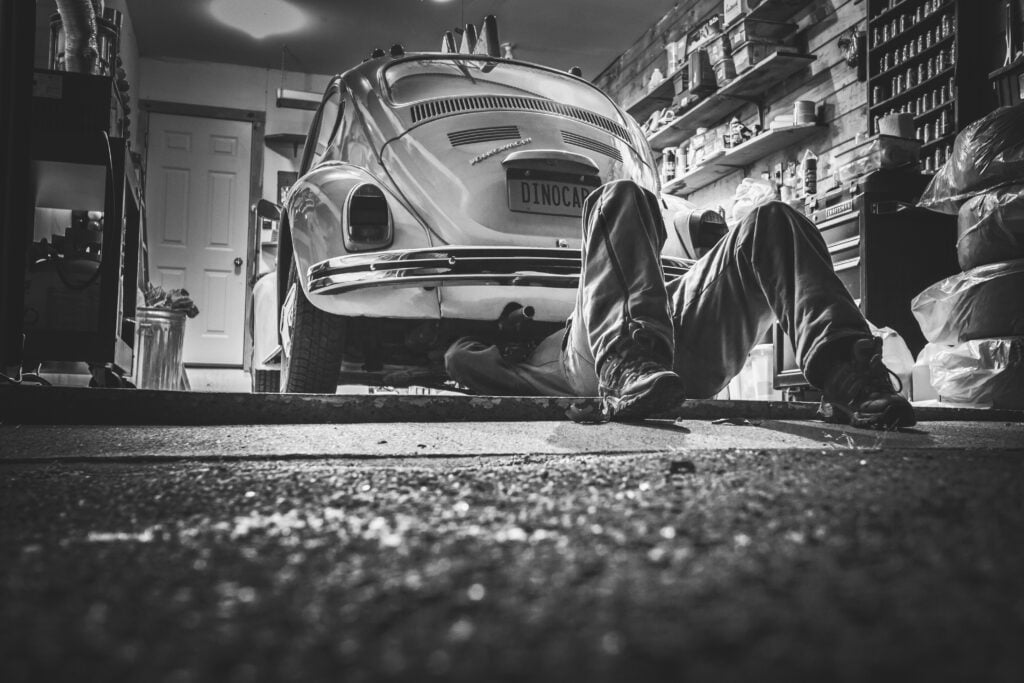
When a customer hands over their car keys, they’re trusting you with one of their most valuable possessions. Running a successful mechanic business requires more than just diagnosing engine trouble and replacing worn brakes. It’s also about ensuring that every vehicle sitting in your lot or parked inside your bays remains secure until the owner returns.
Thieves, vandals, and unexpected accidents can turn a routine brake job into a costly nightmare. Because you take on the liability for these cars the moment they enter your property, having the right protocols in place is just as important as having the right tools in your toolbox. Naturally, securing comprehensive garage repair shop insurance provides the ultimate financial safety net if something goes wrong, but stopping incidents before they happen should always be your first line of defense. By implementing smart security measures, you can protect your customers’ property and build a reputation as a trustworthy, reliable shop.
Physical Perimeter and Lot Security
The first step in protecting vehicles is controlling who can access your property after hours. A sturdy perimeter fence acts as a primary deterrent. If your lot is wide open to the street, anyone can walk up and test door handles under the cover of darkness. Install tall, commercial-grade fencing around the entire vehicle storage area, and make sure the gates lock securely at the end of every shift.
Criminals prefer to work in the shadows, so illuminate your entire lot with bright, motion-activated floodlights. When a thief steps onto your property and is immediately bathed in bright light, they’ll usually run away before touching a car. Pair this lighting with a visible, high-definition camera system. Place cameras at the entrance, the exit, and angled across the main storage lot. Just seeing cameras mounted on the building is often enough to make someone think twice before trespassing. You shouldn’t rely on dummy cameras either; invest in a system that records clear footage to a secure cloud server so you always have evidence if a break-in does occur.
Strict Key Management
A locked car isn’t safe if the keys are sitting out in the open. Far too many shops make the mistake of leaving customer keys inside the vehicles or hanging them on a poorly guarded pegboard right next to the front door. If a thief forces their way into your lobby, they can easily grab the keys and drive away in seconds.
To prevent this, you need a strict key management system. Invest in a dedicated, tamper-proof lockbox or a digital key tracking cabinet bolted to a wall in a secure, staff-only area. When a car is parked and waiting for service, the keys should immediately go into the box. Only authorized technicians should have access to this cabinet. Make it a firm rule that mechanics never leave keys sitting on workbenches or in the ignition of a car left unattended in a service bay. If a technician steps away for lunch, the keys go back into the secure box.
Fire Prevention and Environmental Hazards
Vehicle safety isn’t just about stopping criminals. Cars contain combustible fluids, and repair shops house plenty of sparks, open flames, and heat sources. A small shop fire can quickly spread, destroying multiple customer vehicles in a matter of minutes.
Keeping the shop floor clean and organized reduces this risk significantly. Clean up oil spills immediately, and store all flammable liquids, such as solvents and paint thinners, in approved fire-resistant cabinets. Make sure oily rags are disposed of in proper metal containers rather than tossed into regular trash bins where they can spontaneously combust. You also need to maintain clear pathways in and out of the bays so vehicles can be moved quickly if an emergency breaks out. Regularly inspect your fire suppression systems and ensure every mechanic knows exactly where the fire extinguishers are located.
Safe Vehicle Handling and Staff Protocols
Sometimes, the biggest threat to a customer’s car comes from inside the business. Moving vehicles in and out of tight service bays all day creates plenty of opportunities for accidental scrapes and fender benders. Your technicians need clear guidelines on how to handle customer cars.
Set a strict speed limit for driving on the lot. Nobody needs to rush when backing a truck out of a bay. Institute a policy that requires spotters when moving large vehicles or navigating particularly cramped sections of the property. Additionally, you should be very clear about road tests. Test drives are often necessary to verify a repair, but they should follow a brief, predetermined route. Joyriding or running personal errands in a customer’s car is completely unacceptable and exposes the shop to unnecessary liability.
You also need to protect the interior of the vehicles. Mechanics get dirty, but customer cars shouldn’t. Require your staff to use disposable floor mats, steering wheel covers, and seat protectors every time they enter a vehicle. A permanent grease stain on a leather seat is a fast way to lose a loyal customer and end up paying for expensive interior detailing.
Building a Culture of Care
Protecting the cars in your care requires a daily commitment to safety from your entire team. It isn’t a one-time fix, but rather a culture of caution that you build over time. When you invest in physical security, manage keys strictly, eliminate fire hazards, and train your staff to handle property with respect, you drastically lower the chances of an unfortunate incident. Your customers already trust your mechanical expertise. By treating their vehicles with the utmost care while they’re parked on your property, you prove that their trust is entirely well-placed. They’ll drive away satisfied, knowing their car was in the safest possible hands from the moment they dropped it off.



More Stories
From an Alaska Drive-Thru Ritual to Lola Beans’ 130-Unit Development Pipeline
Don’t Wait: Why You Shouldn’t Put Off Replacing Missing Teeth
Stop Guessing, Start Testing: The True Benefits of A/B Testing on Your Website