

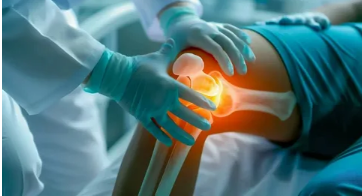
Joint and bone problems can affect walking, climbing stairs, lifting objects, or sleeping comfortably. Pain may start after an injury, develop with age, or appear because of changes inside a joint. Knowing what happens during care can make treatment feel less uncertain.
A careful evaluation helps identify the source of pain and damage. An orthopedic surgeon may then recommend care based on the condition, symptoms, activity level, and overall health. The approach can range from non-surgical care to procedures when needed.
Understanding How Joint and Bone Problems Are Evaluated
Treatment begins with understanding the problem rather than choosing a procedure immediately. The doctor usually discusses symptoms, previous injuries, medical history, and changes in movement. A physical examination can help identify tenderness, swelling, weakness, instability, or restricted motion.
Imaging may also be useful. X-rays can show changes in bones and joints, while MRI scans can provide more detail about soft tissues such as ligaments, tendons, and cartilage. This helps create a treatment plan that addresses the actual problem.
Common Treatment Approaches for Joint and Bone Problems
The right treatment depends on the diagnosis and how strongly the condition affects daily life. Many problems can first be managed without surgery. Others may require a procedure when damage is significant, or symptoms continue.
- Medication and Activity Changes
Some patients may benefit from medicines recommended by their doctor, along with temporary changes in activities that increase pain. Rest does not always mean complete inactivity. The aim is often to reduce strain while maintaining safe movement.
- Physiotherapy and Rehabilitation
Exercises can improve strength, flexibility, balance, and joint movement. Physiotherapy may be used before or after surgery, depending on the condition. A structured program can also help patients return gradually to normal activities.
- Arthroscopy for Selected Joint Problems
Arthroscopy uses small instruments and a camera to examine and treat certain joint conditions. It can be used for problems involving the knee or shoulder. Procedures may include ACL reconstruction, meniscus repair, or repairs involving shoulder structures when clinically appropriate.
- Joint Preservation Procedures
Not every painful or damaged joint needs replacement. In selected cases, treatment may focus on preserving the existing joint and improving its function. The choice depends on the type of damage, age, activity needs, and overall joint condition.
- Joint Replacement Surgery
When a joint is severely damaged, replacement may be considered. Knee, hip, and shoulder replacement procedures can remove damaged joint surfaces and restore the mechanics needed for movement. The decision should follow a detailed clinical assessment.
How an Orthopedic Surgeon Chooses the Right Procedure
Choosing surgery involves more than looking at an X-ray. The doctor considers pain, movement, functional limitations, the condition of the joint, previous treatment, and the patient’s expectations. The goal is to match the procedure to the clinical need.
For example, a patient with a ligament injury may need a different approach from someone with advanced joint damage. A person with shoulder tendon damage may require a repair rather than joint replacement. This is why an orthopedic surgeon evaluates each case individually before recommending a procedure. Clear discussion helps patients understand benefits, risks, recovery needs, and alternatives.
Understanding Knee, Hip, and Shoulder Care
Different joints create different challenges. Treatment is therefore planned around the anatomy and the type of problem involved. The following procedures represent common areas of specialized orthopedic care.
- Knee Replacement
Knee replacement may be considered when severe joint damage causes persistent pain and limits movement. Total knee replacement replaces damaged joint surfaces with artificial components. In selected cases, robotic assistance may be used to support detailed planning and surgical execution.
- ACL and PCL Reconstruction
Ligament injuries can cause pain and instability, particularly after sports-related injuries. Reconstruction may be considered when a damaged ligament affects knee stability and function. Rehabilitation is an important part of recovery.
- Meniscus Repair
The meniscus cushions and stabilizes the knee. A tear may cause pain, swelling, clicking, or difficulty moving. When repair is suitable, preserving the meniscus can be important.
- Hip Replacement
Hip replacement can be considered when serious joint damage causes ongoing pain and limits daily movement. Treatment planning considers the patient’s symptoms, joint condition, general health, and functional needs.
- Shoulder Surgery
Shoulder problems can involve tendons, labral structures, or the joint itself. Depending on the diagnosis, treatment may include arthroscopic rotator cuff repair, Bankart repair, SLAP repair, or shoulder replacement.
When Should You Consider Specialist Orthopedic Care?
Persistent pain should not always be treated as a minor problem. A specialist assessment can help determine whether symptoms are related to an injury, degeneration, instability, or another musculoskeletal condition.
Consider seeking an evaluation when you experience:
- Persistent joint or bone pain
- Swelling that does not settle
- Difficulty walking or using an affected limb
- Repeated joint instability
- Reduced range of motion
- Pain after a significant sports injury
- Symptoms that interfere with sleep or daily activities
Early evaluation can help identify the cause before symptoms become more limiting. Timely care may also help determine the most suitable treatment and support a safer return to daily activities.
What Patients Can Expect From the Treatment Journey
A well-planned treatment journey is usually based on assessment, diagnosis, discussion, treatment, and follow-up. Surgery is not automatically the first option. When surgery is recommended, understanding the procedure and rehabilitation plan can help patients prepare mentally and physically.
After treatment, follow-up care remains important. Physiotherapy, prescribed exercises, activity guidance, and regular reviews may support recovery. Recovery time varies because every condition and patient is different. Following the medical team’s instructions can help protect healing tissues and support a gradual return to activity.
Conclusion
Orthopedic care focuses on the person as well as the scan. Patients should understand what is causing their symptoms, what options are available, and why an approach is being suggested. Asking questions about expected recovery, risks, alternatives, and rehabilitation can make the decision clearer.
For those looking for the best orthopedist in Bangalore, Bone & Joint Consult offers focused orthopedic care under Dr. Rewat Laxman, with services covering joint replacement, arthroscopy, sports injuries, shoulder surgery, complex trauma, and joint preservation. The practice also provides knee and hip robotic surgery options where clinically appropriate. Its approach combines assessment, treatment planning, surgical care, and rehabilitation to help patients make informed decisions about their bone and joint health.



More Stories
Inside a Pearland Facelift, From Consultation Room to Recovery Room
When a Water Loss Turns Into an Air Quality Problem
From Braces to Cosmetic Dentistry: Exploring Modern Smile Correction Options