

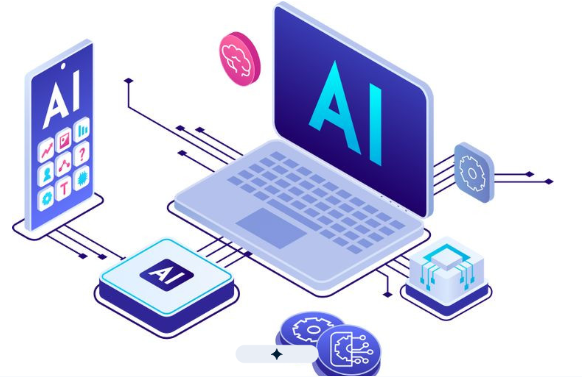
Modern enterprises face an ever-increasing surge of complex data, shifting market expectations, and demanding operational scales. Relying on fragmented legacy systems and manual, repetitive processing creates severe operational bottlenecks, delays response times, and drains organizational resources. To stay competitive, forward-thinking organizations are stepping beyond basic process digitization toward comprehensive intelligent automation. By combining artificial intelligence, machine learning, and robotic process automation, enterprises are completely restructuring how work gets done across every department.
Professional AI Integration Services are leading this transformation, helping legacy architectures evolve into agile, intelligent, and highly scalable ecosystems. Modernizing workflows through intelligent automation goes beyond cost-cutting; it equips leadership teams with real-time operational visibility, mitigates execution risks, and unlocks faster decision-making across global markets.
What Is Intelligent Automation in the Modern Enterprise?
Intelligent Automation (IA) is the convergence of traditional software automation, machine learning algorithms, natural language processing, and advanced data analytics. While classical automation handles rigid, rule-based repetitive tasks, intelligent automation introduces adaptive decision-making capabilities to complex, unstructured workflows.
- Cognitive Data Ingestion: Automatically extracting, processing, and validating unstructured data from invoices, emails, customer requests, and legal contracts without human intervention.
- Predictive Decision Engines: Utilizing machine learning models to forecast demand, spot operational anomalies, and dynamically allocate resources in real time.
- Self-Optimizing Workflows: Continuously evaluating process performance to identify friction points and automatically streamline system pathways over time.
- Adaptive Human-in-the-Loop Systems: Facilitating seamless collaboration between human experts and automated systems for edge-case resolutions and complex exception handling.
Key Drivers of Workflow Modernization
Transitioning from siloed, manual procedures to automated digital processes allows organizations to maintain continuous operational speed, high data integrity, and strict quality control.
1. Eliminating Manual Bottlenecks and Human Errors
Human errors in data entry, compliance logging, and manual reporting accumulate quickly across large operations, leading to costly delays, financial discrepancies, and elevated risk profiles. Intelligent automation executes repetitive tasks with absolute precision around the clock, allowing employees to shift their focus toward high-value strategic initiatives, innovation, and direct customer engagement.
2. Unlocking Real-Time Data Intelligence
Decisions made on outdated batch reports hinder business growth and obscure market shifts. By integrating machine learning models directly into day-to-day business operations through specialized AI Integration Services, organizations turn raw transactional data streams into immediate, actionable insights, enabling proactive decision-making across all operational teams.
3. Scaling Operations Without Linear Overhead
Scaling traditional business workflows usually requires proportional hiring and heavy capital investments. Intelligent automation provides a resilient, software-driven foundation that manages surging operational volumes seamlessly without inflating overhead costs, expanding physical footprints, or sacrificing output quality.
4. Strengthening Regulatory Compliance and Auditability
Regulatory landscapes are becoming increasingly stringent across global industries. Automated workflows enforce standardized business logic, maintain comprehensive digital audit trails for every transaction, and guarantee that compliance checks are performed consistently without manual oversight.
Strategic Architecture: Building an Intelligent Automation Ecosystem
- Cognitive Data Ingestion: Extracts, cleanses, and structures incoming unstructured documents, multi-format forms, customer communications, and live data feeds.
- Predictive AI & Machine Learning: Analyzes complex data patterns, evaluates dynamic business rules, identifies operational risk, and generates actionable insights.
- Automated Workflow Execution: Triggers automated cross-system actions, updates core enterprise ERP and CRM platforms, and instantly notifies relevant operational teams.
- Continuous SLA & Performance Monitoring: Tracks process Key Performance Indicators (KPIs), maintains automated audit logs, and continually optimizes processing pathways over time.
Essential Enterprise Use Cases Across Core Functions
Intelligent automation delivers immediate, high-impact operational improvements when embedded across critical enterprise pillars:
Supply Chain and Logistics Orchestration
Automated demand forecasting models evaluate historical inventory data, seasonal shifts, global logistics disruptions, and real-time order flows to dynamically optimize reorder points. This targeted intelligence minimizes stockouts, reduces expensive warehousing holding costs, and keeps complex global supply networks operating at peak capacity.
Finance and Procurement Modernization
Automating accounts payable, invoice matching, three-way vendor verification, compliance auditing, and expense reconciliation drastically cuts processing cycle times. Financial leadership gains complete real-time visibility into enterprise cash flow patterns while ensuring flawless adherence to internal controls and tax regulations.
Customer Service and Operations Management
AI-driven routing systems analyze incoming support requests using natural language processing to categorize urgency, automatically resolve routine service inquiries, and escalate high-value, complex issues directly to appropriate engineering leads with full contextual background.
Human Resources and Talent Onboarding
Streamlining candidate screening, credential validation, automated contract generation, and IT provisioning accelerates onboarding cycles, improves candidate experience, and ensures complete regulatory compliance across regional employment jurisdictions.
Overcoming Implementation and Integration Challenges
Deploying intelligent automation successfully requires navigating legacy technical debt, disparate cloud platforms, organizational inertia, and robust change management. Success depends on implementing a structured delivery framework:
- Siloed Legacy Systems: Modernizing monolithic infrastructure demands robust API integration, establishing clean data pipelines, and bridging legacy legacy software with modern cloud architectures.
- Data Security and Governance: Implementing automated workflows across sensitive enterprise environments requires strict role-based access controls, robust encryption standards, and continuous vulnerability monitoring.
- Organizational Change Management: Driving employee adoption requires clear communication, comprehensive retraining programs, and positioning automation as a tool that empowers workforce productivity rather than replacing talent.
- End-to-End Managed Support: Partnering with established Global IT Services providers ensures enterprise architectures receive 24/7 SLA-backed management, active infrastructure monitoring, and ongoing model optimization.
The Path Ahead: AI-First Enterprise Operations
The future of enterprise technology belongs to organizations that view intelligent automation not as a temporary efficiency patch, but as a core growth platform. As generative AI, intelligent agents, and hyper-automation tools continue to mature, automated workflows will become increasingly context-aware, autonomous, and self-healing. Enterprises that proactively integrate these capabilities today will secure higher operational resilience, foster faster innovation cycles, and build a lasting competitive advantage that competitors cannot easily replicate.
Conclusion
Modernizing enterprise workflows through intelligent automation is an essential imperative for organizations seeking operational agility, structural cost efficiency, and sustainable enterprise growth. By eliminating manual bottlenecks, embedding real-time predictive analytics, and deploying robust operational strategies, modern businesses transform legacy friction points into high-performing digital engines. Partnering with expert providers of Global IT Services empowers leadership teams to navigate complex digital transformations with confidence, precision, and long-term technical reliability.
Empowering organizations through scalable technology, Blitzpath Innovations is a global technology partner specializing in data, AI, analytics, and managed services. Operating across the US, Australia, Abu Dhabi, and India, their team delivers SLA-driven support and outcome-led solutions to simplify complex operations, improve decision-making, and drive sustainable enterprise growth.


More Stories
How to Make Smarter Automotive Decisions for Better Results
The Role of Advanced Machinery in Efficient Groundwater Exploration
How Smart Banking Connects AI, Payments and Customer Experience Online