

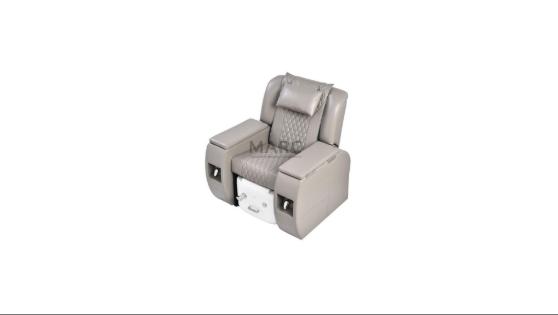
Planning a professional salon requires more than selecting attractive interiors. Every furniture and equipment decision should support service delivery, client comfort, staff movement, space utilization, and the overall identity of the business. Within a dedicated nail and foot-care area, seating becomes particularly important because pedicure services can involve extended treatment periods. A well-selected salon pedicure chair can therefore contribute to a more organized setup by combining comfort, functionality, and appropriate positioning within the available floor plan.
Supporting Client Comfort During Longer Services
Pedicure appointments can require clients to remain seated for a considerable period. This makes seating design an important operational consideration rather than simply a decorative choice. A suitable chair can provide a stable and comfortable position while allowing professionals to perform treatments efficiently.
Features such as supportive backrests, adjustable positioning, arm support, and cushioning can influence the experience during longer appointments. Depending on the model, specialized pedicure furniture may also incorporate massage functionality or adjustable components. When these features are matched to the salon’s service requirements, they can help create a more comfortable environment while supporting consistent treatment delivery.
Integrating Pedicure Stations Into the Floor Plan
A pedicure area should be planned as part of the complete salon workflow. The placement of seating, treatment equipment, storage, and circulation space can affect how easily professionals move between services. Before purchasing furniture, business owners should measure the designated area and consider access points, customer movement, staff positioning, and surrounding fixtures.
A well-planned arrangement can reduce unnecessary movement and help maintain a clear working zone. It can also make the service area easier to manage during busy periods. Rather than selecting a chair first and adapting the room afterward, salon operators can assess dimensions and functional requirements together so the chosen furniture fits naturally into the intended layout.
Choosing Features Based on Service Requirements
Different pedicure services may require different furniture configurations. Businesses should identify which treatments they plan to provide and then evaluate features accordingly. For example, models with adjustable backrests may support client positioning, while integrated massage functions can add another comfort feature to selected service formats.
Some specialized stations combine pedicure and manicure functionality, allowing businesses to use one setup for more than one type of treatment. The Robust Mani-Pedi Station includes a pull-out pedicure spa, integrated manicure tubs, an electric reclining backrest, massage functionality, and a mobile holder with charging functionality. These combinations can suit businesses seeking multifunctional equipment within a planned treatment area.
Considering Water-Based Functionality
Water management is another factor in pedicure setup planning. Depending on the selected model, a pedicure spa may incorporate a dedicated pedicure tub for soaking and treatment-related requirements. The material, configuration, controls, drainage arrangement, and accessibility should be reviewed before installation.
Some models include adjustable seating, shower fittings, footrests, massage functions, lighting, or other specialized features. Reviewing these specifications helps business owners choose equipment according to the treatments they actually intend to offer rather than selecting features that may remain unused.
Balancing Space Efficiency and Business Capacity
Floor space has direct implications for a salon’s operating capacity. A large treatment area may provide comfort but could reduce the number of service stations that can be accommodated. Conversely, selecting compact furniture without considering working clearance may restrict staff movement and affect service delivery.
The objective should be to establish an appropriate balance between usable space, client comfort, staff access, and the expected number of appointments. Businesses can compare product dimensions with their floor plan before finalising an order.
Matching Furniture With the Salon’s Design Language
Functionality is essential, but appearance also contributes to the commercial environment. A coordinated pedicure area can reinforce the salon’s overall design language and create a more professional impression. Businesses using a contemporary interior may prefer streamlined designs, while premium or more traditional concepts may require furniture with a different visual character.
The broader range of furniture for parlour requirements should be assessed as a coordinated collection rather than as unrelated individual purchases. This can help maintain consistency across styling, shampoo, spa, manicure, and pedicure areas.
Evaluating Durability and Maintenance
Commercial salon furniture experiences frequent use, so durability should be part of the purchasing decision. Owners should review construction, upholstery, materials, moving components, and maintenance requirements before selecting equipment. Furniture that is easier to clean and maintain can support day-to-day operational efficiency.
Pedicure equipment also needs practical consideration because water, products, and repeated client use can create additional maintenance demands. Selecting appropriate materials and following manufacturer care instructions can help preserve the appearance and functionality of the equipment over time.
Considering Customization for Commercial Spaces
Every salon has different dimensions, branding requirements, and service priorities. Customization can therefore be useful when standard configurations do not align perfectly with a planned interior. Customers can discuss and finalize product specifications, dimensions, finishes, colors, and customization details before confirming an order.
Customisation allows businesses to consider operational and visual requirements together. Available options should be confirmed for the specific product because features can differ between models.
Planning for a Scalable Salon Setup
A salon setup should also account for future business needs. Owners may initially require a limited number of pedicure stations but later expand services or increase appointment capacity. Selecting products with suitable functionality, reliable construction, and a design that can integrate with future purchases can make expansion easier.
Planning should include current floor space, expected service demand, staff workflow, maintenance, and potential changes to the treatment menu. A thoughtful initial purchase can reduce the need for frequent replacement and help create a consistent environment as the business develops.
Conclusion
A well-planned pedicure area can improve salon workflow, client comfort, space utilization, and overall presentation. From seating support and water-based functionality to dimensions, maintenance, and design coordination, each factor matters when selecting equipment. Choosing a salon pedicure chair according to service requirements and available space helps businesses create a practical, professional, and efficient treatment environment that supports consistent operations and long-term usability.
For salon businesses planning professional treatment spaces, MARC Salon Furniture provides salon furniture and beauty equipment designed for commercial requirements. Its range includes pedicure and manicure stations, salon chairs, shampoo stations, spa furniture, salon beds, nail tables, beauty machines, slimming machines, mirrors, accessories, and other equipment. The company also supports selected customization requirements for suitable products and business setups nationwide.


More Stories
How Modern Hair Dryer Brands Improve Everyday Hair Styling Routines
Why Your App’s Return % Is Not What You Earned: Understanding the Mutual Fund Return Calculator
How Modern Heart Surgery Addresses Valve & Coronary Artery Conditions