

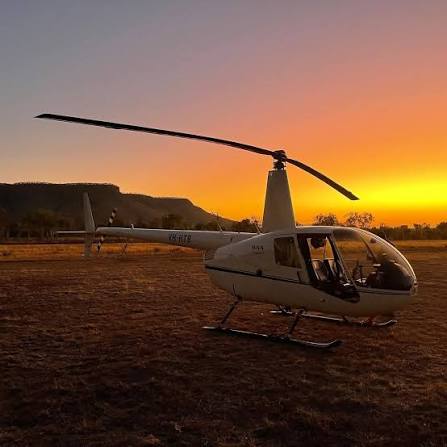
A career as a helicopter pilot combines technical skill, aviation knowledge, judgement and safety. Helicopter pilot training develops these abilities through classroom learning, practical flight sessions and instruction. This preparation helps aspiring pilots build the knowledge, experience, and professional habits needed for aviation careers.
Developing Core Helicopter Flying Skills
Flying a helicopter requires precise control and coordination. Training gives students experience with essential manoeuvres, including hovering, take-offs, landings, climbs, descents, turns and controlled flight. Instructors guide trainees through each stage, helping them improve aircraft handling and accuracy. Regular practice builds consistency for professional helicopter operations.
Building Aviation Knowledge And Decision-Making Skills
Professional pilots apply theoretical knowledge throughout every flight. Training covers aviation regulations, meteorology, navigation, aircraft systems and flight planning. Students learn how these subjects influence flight preparation and decisions. This knowledge supports informed judgement and helps future pilots follow established aviation procedures.
Preparing For Safety And Emergency Situations
Safety forms an important part of pilot preparation because professional flying requires pilots to assess conditions and respond appropriately. Training develops practical awareness through guidance and repeated exercises. Key areas include:
- Emergency Procedures: Trainees practise appropriate responses to situations that require prompt, controlled action.
- Risk Awareness: Students learn to assess flight conditions, aircraft factors and operational considerations before making decisions.
- Situational Awareness: Training helps pilots monitor their surroundings, aircraft performance and changing conditions during flight.
These skills support considered decision-making during professional operations.
Gaining Practical Experience And Professional Confidence
Supervised flight experience allows trainees to apply classroom knowledge in real flying situations. Instructors provide feedback on handling, communication, planning and judgement. Students gradually take greater responsibility as their skills develop. This experience builds professional confidence and strengthens habits required for consistent performance in aviation.
Understanding The Responsibilities Of A Professional Pilot
Aviation careers involve responsibilities throughout a flight. Pilots prepare through flight planning, aircraft checks, communication and established procedures. Training introduces these responsibilities alongside technical flying skills, helping students understand the importance of preparation, accuracy, teamwork and sound judgement in professional aviation.
Preparing For Career Opportunities In Aviation
Helicopter pilot training provides a foundation for progressing towards professional aviation roles. Career pathways can involve passenger transport, aerial work, emergency services, tourism or specialised operations, depending on qualifications and employer requirements. Pilots can build on initial training through further flight experience, additional ratings and role-specific development.
Choosing Training That Supports Your Career Goals
Selecting suitable training can help students align their learning with long-term aviation plans. Important factors include:
- Instructor Experience: Qualified instructors guide students through ground and flight training.
- Training Aircraft: Suitable helicopters allow students to gain relevant practical experience.
- Flight Opportunities: Regular flying helps trainees develop practical skills.
- Career Relevance: Training choices can reflect the aviation role a student plans to pursue, including pilot training in Adelaide for those considering opportunities in the region.
These factors help aspiring pilots choose training that supports their professional goals.
Conclusion
Helicopter pilot training brings together practical flying, aviation knowledge, safety awareness and professional responsibilities. Each element contributes to the skills required for a career in aviation, while continued experience supports further development. With appropriate training and a clear career direction, aspiring pilots can build a strong foundation for progressing within professional helicopter operations.



More Stories
Traffic Barriers vs Road Barricades: Choosing the Right Solution for Site Safety
Function Rooms & Conference Spaces in Adelaide: Planning Your Next Event
Understanding the Process When You Put Your Dog Down