

Investing in mutual funds is a popular choice for many because it allows individuals to grow their wealth without having to actively manage their investments. However, it’s crucial to understand the factors that can affect your returns, particularly the expense ratio in mutual fund and exit load. In this article, we will explore how these two components interplay and influence your investment returns, allowing you to make informed financial decisions.
What is an Expense Ratio in Mutual Fund?
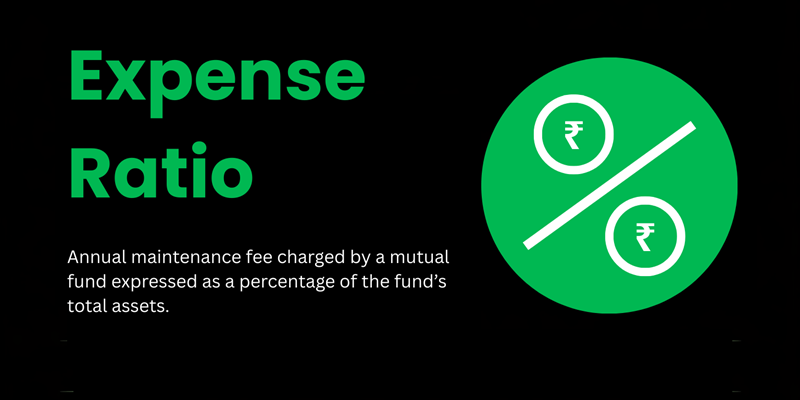
The expense ratio in a mutual fund represents the annual fees that a fund charges its investors to cover operating expenses. These expenses include management fees, administrative costs, and other costs associated with managing the fund. Measured as a percentage of the fund’s average assets under management (AUM), the expense ratio can vary significantly from one mutual fund to another.
For example, if a mutual fund has an expense ratio of 1%, this means that for every $100 invested, $1 goes towards fees. A higher expense ratio can pinch your overall returns while a lower one can maximize your profits over time.
The Importance of Expense Ratio
- Impact on Compounding: One of the key principles of investing is that compounding can significantly enhance returns over the long term. However, a high expense ratio can erode your investment gains. For example, if you invest $10,000 in a mutual fund with a 1% expense ratio compared to another fund with a 0.5% ratio, you could potentially lose thousands of dollars over a 20- or 30-year period due to compounding losses.
- Performance Comparison: When comparing mutual funds, it’s essential to factor in the expense ratio. A fund that appears to perform well might actually be netting lower returns for investors after expenses are taken into account. Thus, when selecting mutual funds, it is advisable to take a holistic view of both performance records and expense ratios.
- Types of Expense Ratios: Investors should be aware that there are two main types of expense ratios—gross and net. The gross expense ratio includes all operating costs, while the net expense ratio takes into account any waivers or reimbursements that the fund company may provide. When assessing a fund, always consider the net expense ratio for a more accurate depiction of what you’ll actually pay.
What is an Exit Load?
An exit load is a fee that mutual funds may charge investors when they redeem their units before a specified time frame. The purpose of an exit load is to discourage short-term trading, which can disrupt the management of the fund. The fee varies depending on the terms set by the fund and can range from 0% to a percentage of the investment amount.
For example, if you invest ₹10,000 in a mutual fund with a 1% exit load, withdrawing that investment within the stipulated period could result in a ₹100 fee. This can affect the returns you would otherwise receive from your investment.
The Impact of Exit Load
- Long-Term Investment: If you plan to invest for the long term, a mutual fund with an exit load may not be a significant concern. However, if you foresee needing to access your funds in the short term, the exit load could eat into your profits. Hence, it’s crucial to ascertain the duration for which the exit load applies before making your investment.
- Trading Frequency: Frequent traders may also find that exit loads can complicate their strategies. Mutual funds are typically intended for long-term investments, and these fees can detract from the overall returns for active traders. If you find yourself needing to buy and sell often, consider an investment vehicle that allows more flexibility without such penalties.
- Impact on Returns: Even if a mutual fund boasts a high return rate, understanding its exit load can provide insights into the general liquidity and flexibility of the fund. Funds with lower exit loads may be more suitable for investors who may need to access their investments within a shorter timeframe.
Analyzing the Combined Effect on Returns
When evaluating the performance of a mutual fund, it’s essential to consider both the expense ratio in mutual fund and the exit load together. High expense ratios combined with an exit load can significantly diminish your overall returns.
To visualize this, let’s say you periodically invest a fixed amount in a mutual fund with a 1% expense ratio and a 1% exit load. If you need to withdraw your funds after only a few years, your returns could be impeded by both the fees taken out by the management and those incurred through the exit load.
Making Informed Choices
- Research: Take the time to research different funds, comparing both the expense ratios and exit loads. This will help you identify funds that align well with your financial goals.
- Investment Horizon: Assess your investment time horizon. If you aim for long-term growth, opt for funds with lower expense ratios and minimal exit loads to maximize your returns.
- Consult a Financial Advisor: A financial advisor can provide personalized advice tailored to your financial situation, helping you navigate the complexities of mutual fund investing.
Conclusion
Understanding the expense ratio in mutual fund and exit load is crucial for evaluating investment options. These costs directly affect your returns and can significantly impact your long-term investment strategy. By being aware of these factors and making informed decisions, you can enhance your investment journey and work towards achieving your financial goals. Whether you are a novice investor or have experience in the market, taking these elements into account will undoubtedly serve you well in your mutual fund investments.




More Stories
What Are the Tax Benefits of Taking a Home Loan? A Practical Guide
Red Sea shipping attacks sharpen the case for broader portfolio risk tools
Everything You Need to Know About Gold Loan Interest Rates in Gujarat