

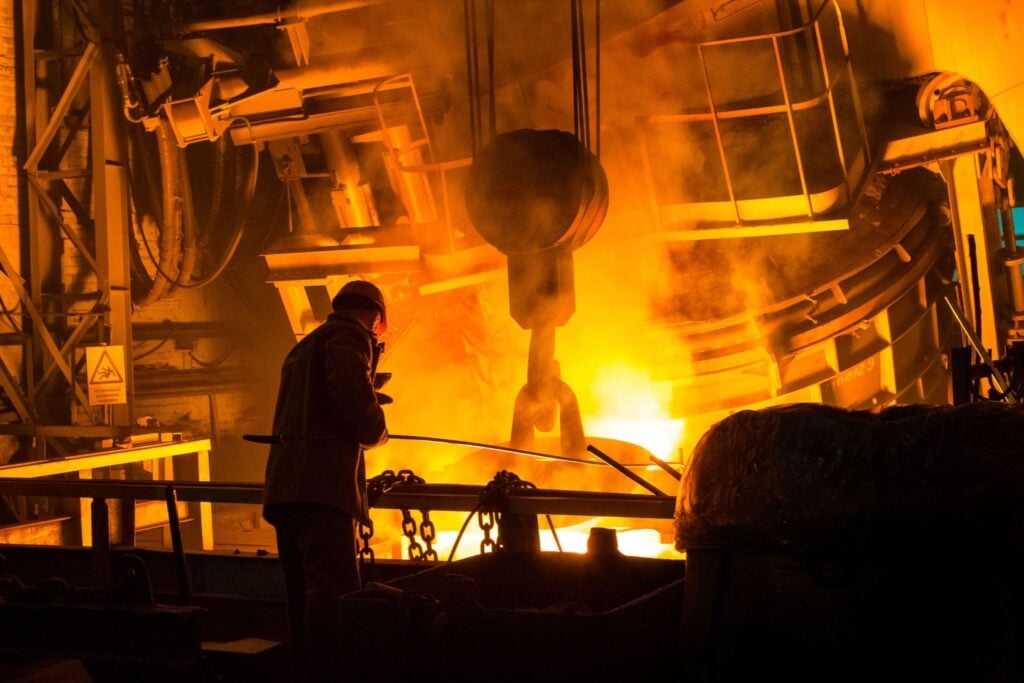
We live in an era of smart factories, automated assembly lines, and high-tech compliance tracking. Yet, a troubling reality persists beneath the surface of modern manufacturing: workplace safety is still largely a reactive game.
We pour incredible amounts of investment into regulations and safety certifications, but the actual execution on the shop floor tells a different story. Far too often, meaningful conversations about risk only happen in the wake of a mistake. We are essentially waiting for something to go wrong before we fix the way we work, leaving frontline employees to navigate the dangers in the meantime.
As industrial networks discuss new workplace safety data and the rising costs of operational downtime, the conversation is shifting toward a critical blind spot. The traditional methods of protecting workers like heavy manuals, annual training sessions, and warning signs are proving to be completely out of touch with the fast-paced reality of modern production. If nearly half of the workforce feels that safety is only prioritized after an incident occurs, then the system is fundamentally broken. We do not have a lack of rules; we have a failure of real-time communication.
The Hidden Danger of the Dusty Manual
The greatest hazard on a factory floor is rarely a rogue machine or a faulty wire; it is an uninformed worker. As manufacturing processes become increasingly complex, the gap between engineering intent and frontline execution grows wider. When an operator is handed a confusing checklist, an outdated blueprint, or a dense text document, they are being set up to fail. In a busy, loud environment where quotas must be met, no one has the time to flip through a massive binder to clarify an ambiguous step.
This information gap is where preventable hazards thrive. When instructions are inconsistent or hard to digest, workers are forced to rely on guesswork or memory. In high-stakes manufacturing, a single misunderstood instruction can lead to a catastrophic quality failure or, worse, a severe injury. Outdated documentation does not just hurt efficiency; it directly exposes human beings to physical harm. We cannot expect flawless, safe execution when the tools we provide for understanding the task are fundamentally flawed.
Moving Safety from the Office to the Assembly Line
Garth Coleman, the CEO of Canvas Envision, has a compelling take on how to dismantle this reactive loop. His perspective centers on a simple premise: safety should not be an administrative burden or a separate department that workers only think about during an audit. Instead, it needs to be embedded directly into the work itself. In his view, the best way to prevent accidents is to make the safe way of doing a job the clearest and easiest way to do it.
Coleman and his team at Canvas Envision are focusing on changing how risk is communicated on the shop floor. By taking complex data and weaving it into interactive, highly visual digital workflows, they are putting safety context exactly where it belongs: in the hands of the operator at the moment of execution. If a specific assembly step carries a high risk of injury, that warning shouldn’t be buried on page fifty of a compliance report. It should be visually highlighted right on the digital model the worker is using to complete the task. This turns safety into a live guide rather than a historical archive.
Crafting a Culture of Real-Time Prevention
The path forward requires an honest look at how we value our frontline workforce. True safety is not achieved by giving people more rules to memorize; it is achieved by giving them absolute clarity. When we integrate risk awareness directly into everyday workflows, we reduce the cognitive burden on the operator. They no longer have to guess or interpret abstract instructions while standing next to dangerous equipment. They can see exactly what needs to be done, how to do it correctly, and how to stay safe in the process.
As industry leaders look for ways to modernize the future of frontline work, reducing these operational vulnerabilities must become a priority. Leaders like Coleman are demonstrating that when you bridge the gap between what a worker is told and what they actually need to execute safely, the entire culture shifts. We have the technology to make manufacturing environments safer, smarter, and more human-centric. It is time to stop reacting to the accidents of yesterday and start engineering the prevention of tomorrow. When we bake safety directly into execution, we do more than protect the bottom line. We protect the people who make the entire industry possible.



More Stories
The STEM or liberal arts choice describes a labour market that no longer exists
Hyundai CRETA and Its Continued Presence in the Mid-Size SUV Segment
Why the Honda Unicorn Is Trending in 2026