

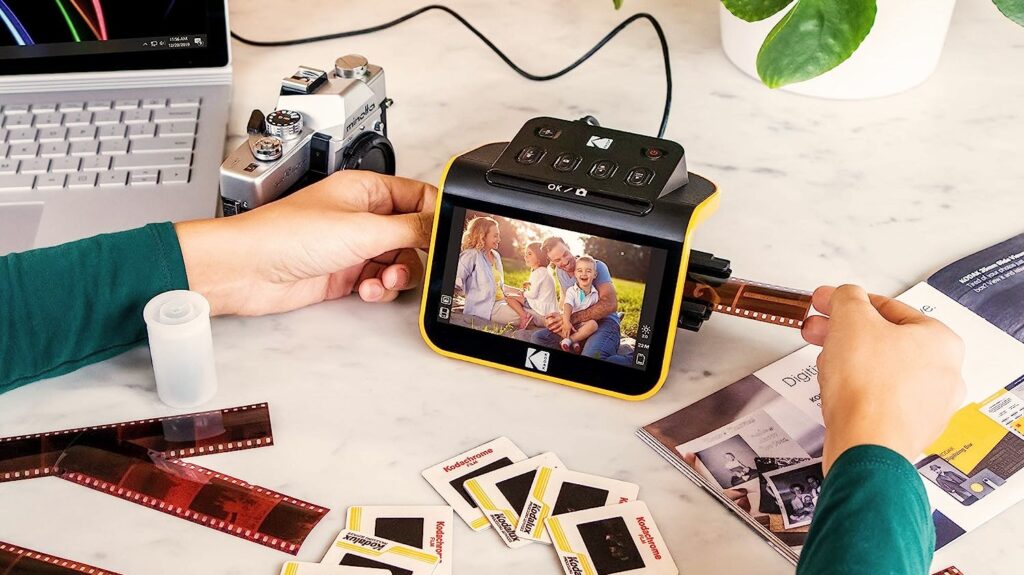
Photo slides capture memories, but they can fade, collect dust, or get damaged over time. Converting them into digital files helps protect these images and makes them easier to store, share, and access. Many people now look for ways to transfer slides and photos to digital formats to avoid losing valuable moments. The right method depends on the number of slides, the quality you expect, and the time you can invest.
Dedicated Slide Scanners for High-Volume Conversion
Dedicated slide scanners are built specifically for scanning slides. They support batch processing, making them suitable for large collections. These scanners provide consistent image quality and better color accuracy than general scanners. Many also include features such as dust removal and color correction, reducing the need for manual editing and improving overall results.
Flatbed Scanners with Slide Support for Occasional Use
Flatbed scanners with transparency adapters can scan slides using a built-in light source. This method works well if you already own the device and have a small number of slides. While the output is decent, the process is slower and may not match the sharpness of a dedicated scanner. It is a practical option for occasional use.
Digital Camera Setup for Manual Control
A digital camera setup uses a DSLR or mirrorless camera to capture slide images. It requires a stable stand, a light source, and a slide holder. This method gives you control over focus, exposure, and color balance. It suits users who want more control over the output, but it takes time to set up and capture each slide.
Mobile-Based Methods for Quick Conversion
Smartphones can convert slides using apps and a simple backlight. You place the slide in front of the light and capture it with your phone. This method is quick and low-cost, making it useful for small batches. However, image quality depends on lighting and camera stability, so it is better for basic use.
Professional Services for Accurate Results
Professional services handle the process using advanced tools. They clean, scan, and sometimes restore slides to improve clarity and color. This option is useful for old or delicate slides and saves time for large collections. Many people prefer this approach when they want reliable results and need to transfer slides and photos to digital formats without handling the process themselves.
How to Choose the Right Method?
Choosing the right method depends on your needs and slide condition. Consider these factors before deciding:
- Volume: Large collections are easier to manage with dedicated scanners or professional services.
- Budget: Mobile methods and flatbed scanners are less expensive, whereas professional services require a higher investment.
- Time: Some methods need more setup and manual effort, while others are quicker.
- Image Quality: Better results usually come from advanced equipment or controlled setups.
These factors help you choose a method that balances quality, cost, and effort.
Conclusion
Converting photo slides into digital files helps preserve memories and improve accessibility. Each method offers different benefits in terms of cost, quality, and effort. By understanding your options and needs, you can choose an approach that protects your images and keeps them accessible over time.

More Stories
Turning Ideas into Products: The Role of CAD Technology in Product Development
Home Insurance Guide: Protecting Jewellery and Valuable Possessions
From Community Service to Exequatur: The Real Path to an Honorary Consul Appointment