

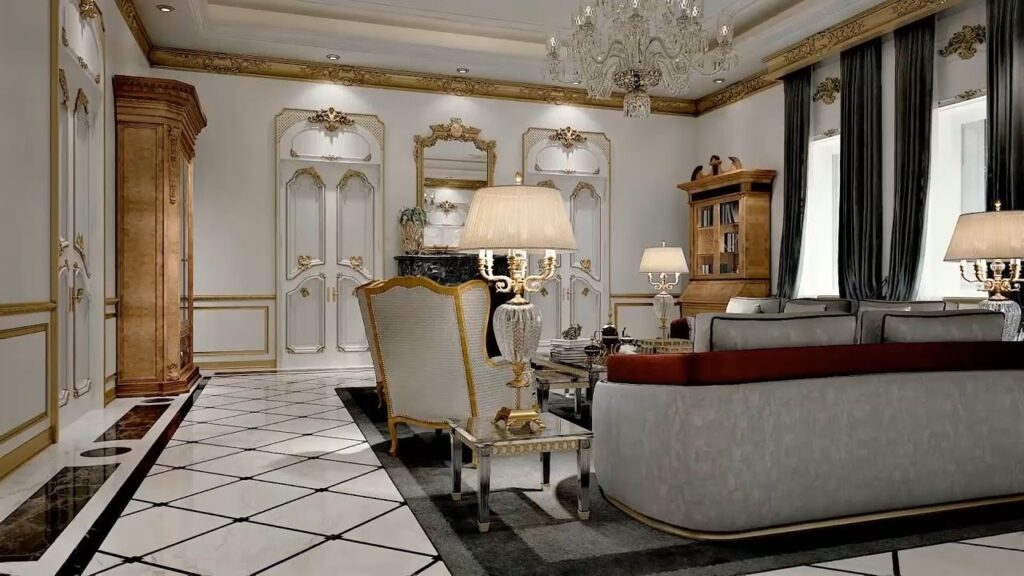
The perception of value in modern interiors has evolved far beyond surface aesthetics, encompassing durability, craftsmanship, and experiential comfort. Furniture today is not merely a functional necessity but a strategic design element that shapes the identity of a space. Discerning homeowners are shifting their focus toward quality-driven investments that reflect both sophistication and practicality. The growing relevance of luxurious furniture highlights a transition toward curated living, where each piece contributes meaningfully to the environment. Rather than following short-lived trends, buyers are increasingly drawn to timeless designs supported by strong construction and refined materials.
Understanding what defines value in high-end furniture enables individuals to make informed choices that enhance both the visual and functional aspects of their homes. This perspective ensures that furniture becomes an integral part of a home’s long-term value rather than a temporary addition.
Craftsmanship and Construction Excellence
Craftsmanship serves as the defining foundation of furniture value, influencing both performance and visual refinement in meaningful ways. Precision engineering ensures that each component is carefully aligned, resulting in a cohesive structure that minimizes wear and enhances long-term stability. This level of detailing is achieved through processes that prioritize accuracy at every stage of production, ensuring consistency in quality. Handcrafted techniques further elevate value by introducing a unique character to each piece, reflecting the skill and attention of experienced artisans. These elements contribute to exclusivity, as no two pieces are exactly identical. Structural integrity, supported by advanced joinery methods, ensures durability and reliability under daily use.
Techniques such as reinforced connections and balanced weight distribution allow furniture to maintain its form over time. This combination of technical precision and human craftsmanship defines true quality, enabling buyers to distinguish premium furniture from standard alternatives with confidence.
Material Selection and Authenticity
Material selection plays a crucial role in determining both the aesthetic and functional value of furniture in modern homes. High-quality pieces are crafted using premium raw materials that provide strength, resilience, and a refined visual appeal. These materials contribute to the overall authenticity of the design, allowing natural textures and tones to enhance the character of each piece. Surface treatments further influence how materials are perceived and preserved over time. Natural finishes are often preferred because they highlight inherent qualities while offering protection against wear. These finishes create a sophisticated appearance that evolves gracefully rather than deteriorating.
Over time, well-chosen materials develop a distinct patina that adds depth and richness, reinforcing their long-term value. This emphasis on durability and authenticity underscores the importance of selecting luxurious furniture that not only meets immediate design expectations but also maintains its integrity and elegance for years to come.
Design Intelligence and Functional Harmony
Design intelligence is a defining factor that elevates furniture from decorative elements to essential components of modern living. A well-designed piece achieves a balance between form and functionality, ensuring that visual appeal does not compromise usability. This harmony allows furniture to integrate seamlessly into different spaces while supporting everyday activities. Ergonomic considerations further enhance this experience by aligning design with human comfort. Elements such as seating angles, support structures, and proportions are carefully developed to promote ease of use and physical well-being. Adaptability is equally important, particularly in contemporary homes where spatial requirements frequently change.
In advanced design markets, innovation often focuses on flexibility, offering modular and multifunctional solutions. This approach ensures that furniture remains relevant and practical, adapting to evolving lifestyles while maintaining a consistent design language that enhances the overall living environment.
Customization and Personal Expression
Customization has become a significant factor in defining the value of modern furniture, allowing homeowners to create spaces that reflect their personal preferences and lifestyle needs. Tailored dimensions ensure that each piece fits precisely within a given layout, enhancing both functionality and visual harmony. This level of precision contributes to a more cohesive interior design, where every element is thoughtfully integrated. The ability to select finishes, fabrics, and textures further enhances personalization, enabling individuals to influence the overall aesthetic and tactile experience. These choices allow furniture to align with specific themes, whether contemporary, minimalist, or classic.
In refined urban environments, customization is often a key differentiator that sets premium interiors apart. By incorporating personal expression into furniture design, homeowners can achieve a unique and meaningful living space that resonates with their identity and design vision.
Sustainability and Long-Term Value
Sustainability has emerged as an essential consideration in evaluating the true value of furniture in modern homes. Environmentally responsible sourcing ensures that materials are obtained through processes that minimize ecological impact while maintaining high standards of quality. This approach reflects a growing awareness among homeowners who prioritize ethical and sustainable living practices. Durability plays a critical role in reducing lifecycle costs, as well-constructed furniture requires fewer replacements over time. This shifts the focus from short-term affordability to long-term investment, making premium furniture a more practical and cost-effective choice.
Timeless design further supports sustainability by reducing the need for frequent updates, ensuring that pieces remain relevant despite changing trends. By integrating these elements, luxurious furniture becomes a lasting asset that combines environmental responsibility with enduring design, offering both aesthetic and practical value for modern living.
Conclusion
The value of furniture in modern homes is shaped by a thoughtful combination of craftsmanship, material integrity, intelligent design, personalization, and sustainability. Each of these elements contributes to creating interiors that are not only visually refined but also highly functional and enduring. As expectations around living spaces continue to evolve, the importance of making informed, quality-driven decisions becomes increasingly significant. Luxury interior furniture in Dubai is no longer a temporary addition but a long-term investment that influences comfort, efficiency, and aesthetic appeal. By focusing on these defining factors, homeowners can create environments that reflect both sophistication and practicality.
For those seeking curated collections aligned with these principles, Opel Home offers refined furniture solutions designed to meet contemporary expectations while maintaining a strong commitment to quality and design excellence.

More Stories
Turning Ideas into Products: The Role of CAD Technology in Product Development
Home Insurance Guide: Protecting Jewellery and Valuable Possessions
From Community Service to Exequatur: The Real Path to an Honorary Consul Appointment