

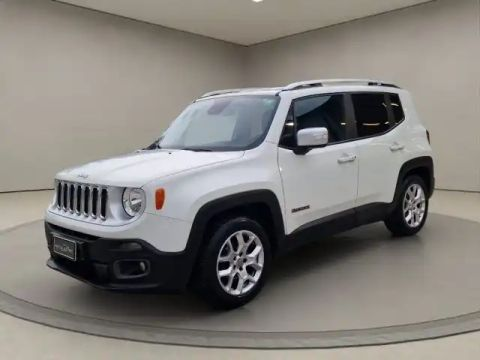
The Jeep brand has long been synonymous with rugged capability, reliable off-road performance, and timeless design. Whether you’re an avid outdoors enthusiast or someone who appreciates the durability of a well-built vehicle, a Jeep car stands out as a great choice. However, if you’re leaning toward purchasing a used Jeep car, there are critical factors to evaluate to ensure you’re getting the best bang for your buck. This guide dives deep into key components, including the 4×4 system, suspension, and the vehicle’s usage history, to help you make an informed decision before buying.
Why Choose a Used Jeep Car?
Opting for a used Jeep car rather than a brand-new model can save you a significant amount of money without sacrificing value. Jeep vehicles are built to last and often maintain their performance capabilities years after their release. Whether you’re considering a used Jeep Compass, Wrangler, Cherokee, or Grand Cherokee, these SUVs are revered for their ability to handle off-road trails and urban settings alike.
Additionally, Jeep cars often come with distinctive features like 4×4 systems, impressive suspension setups, and durable engines, making them a trusted choice for individuals who love adventure or simply need a robust vehicle for everyday use. However, purchasing any used Jeep car requires careful scrutiny to avoid potential issues.
1. Inspect the 4×4 System
One strong reason behind Jeep’s popularity is its advanced four-wheel-drive (4×4) systems, which are engineered for off-road adventures and adverse weather conditions. When buying a used Jeep car or a used Jeep Compass, the first thing to check is whether the 4×4 system is fully operational.
Key Components to Evaluate:
- Transfer Case
The transfer case plays a crucial role in distributing power between the front and rear wheels. Look out for unusual noises like grinding or whirring, as these might indicate wear or damage. - Differentials
Faulty differentials can lead to irregular tire wear and uneven power distribution. Ensure that the wheels turn smoothly and consistently. - Engagement Mechanism
Test the car in its various 4×4 modes (e.g., 4WD high, 4WD low) to confirm seamless operation. For a used Jeep Compass, verify that the Active Drive system engages properly and performs as advertised.
Warning Signs:
If the 4×4 system shows signs of poor maintenance, leaks, or isn’t operational, you could face expensive repairs down the line. Always ask the seller for maintenance records to assess how well the system has been cared for.
2. Evaluate the Suspension System
Another aspect to thoroughly examine is the suspension setup. Jeep vehicles feature robust suspensions specifically tailored for tackling rough terrains. In a used Jeep car, the suspension system’s condition can significantly affect the vehicle’s comfort, handling, and off-road performance.
What to Check:
- Shocks and Struts
Inspect the shocks and struts for signs of leakage or excessive wear. A worn-out suspension results in bouncy or uncomfortable rides, especially on uneven surfaces. - Control Arms and Bushings
These components help keep the suspension steady. Any cracks, bends, or rust could compromise the system’s integrity. - Ball Joints and Tie Rods
Worn ball joints and tie rods may cause instability during steering or cornering. Listen for clicking or clunking noises when turning.
Testing Tip:
Take the vehicle for a test drive over varying road conditions. Pay special attention to how the suspension handles bumps, potholes, and turns. For models like the used Jeep Compass, its lightweight design should translate to smooth handling, but a problematic suspension will quickly reveal itself through uncomfortable vibrations or erratic movements.
3. Examine the Vehicle’s Usage History
The history of a used Jeep car can paint a clear picture of the vehicle’s overall condition and any potential issues that may arise post-purchase. This step is particularly important for off-road-friendly models like the used Jeep Compass, which might have been subjected to harsh usage by previous owners.
What to Look For:
- Mileage
High mileage isn’t necessarily a red flag for Jeep cars since they are engineered for durability. However, excessive mileage without proper maintenance can lead to wear and tear that may eventually need costly repairs. - Off-Road Usage
Ask the seller whether the car was frequently used off-road. While Jeeps are designed for rugged terrains, frequent off-road driving without regular upkeep can strain the 4×4 and suspension systems. - Maintenance Records
Request detailed service and repair records to confirm if the vehicle has been routinely cared for. A well-maintained used Jeep car will likely have fewer issues down the road. - Accident History
Use tools like Carfax or AutoCheck to check for any accidents or major repairs. Structural damage, even after being “fixed,” can affect the longevity of specific parts.
Warning Signs:
If the records indicate negligence in maintenance, numerous accidents, or excessive modifications for off-roading, it’s better to pass on that particular vehicle and look elsewhere.
4. Additional Considerations
While the 4×4 system, suspension, and usage history are the primary factors to evaluate, there are other aspects worth considering before finalizing your purchase:
- Exterior and Interior Condition
Look for visible signs of rust, dents, or scratches. Inside, inspect the upholstery, dashboard, and electronic features like the infotainment system. - Tires and Brakes
Check the depth of the tire tread and assess whether the brakes are responsive during the test drive. - Test for Leaks
Inspect the undercarriage for any signs of oil, coolant, or transmission fluid leaks. - Engine Performance
Ensure the engine starts smoothly without strange noises or vibrations. Check for warning lights on the dashboard.
Why a Used Jeep Compass is a Great Choice
Among Jeep’s lineup, the used Jeep Compass is a popular choice for buyers who seek a compact SUV that combines city-friendly dimensions with Jeep’s trademark off-road capabilities. The Compass offers excellent fuel economy compared to the larger models in Jeep’s repertoire while still providing access to advanced 4×4 systems like the available Active Drive. Make sure to inspect its drivetrain, suspension, and history to ensure you’re getting a reliable vehicle that fits your needs.
Final Thoughts
Purchasing a used Jeep car can be an exciting and budget-friendly way to own a durable vehicle that’s ready to tackle any challenge you throw at it. However, to avoid post-purchase regret, it’s crucial to thoroughly inspect essential components like the 4×4 system, suspension, and the vehicle’s usage history. For models such as the used Jeep Compass, pay close attention to its off-road capabilities and urban performance to see if it aligns with your lifestyle.
If you’re still unsure about your choice, consider consulting a trusted mechanic or Jeep specialist to conduct an inspection before finalizing the deal. Remember, a little scrutiny now can save you from costly repairs later, making your investment in a used Jeep car truly worthwhile.




More Stories
Eric McNeil on Building Businesses Through Relationships, Not Transactions
The EU Makes Design Changes for the Future of Recycling.
Dr. Dain Heer: Why Being You Matters More Than Ever