

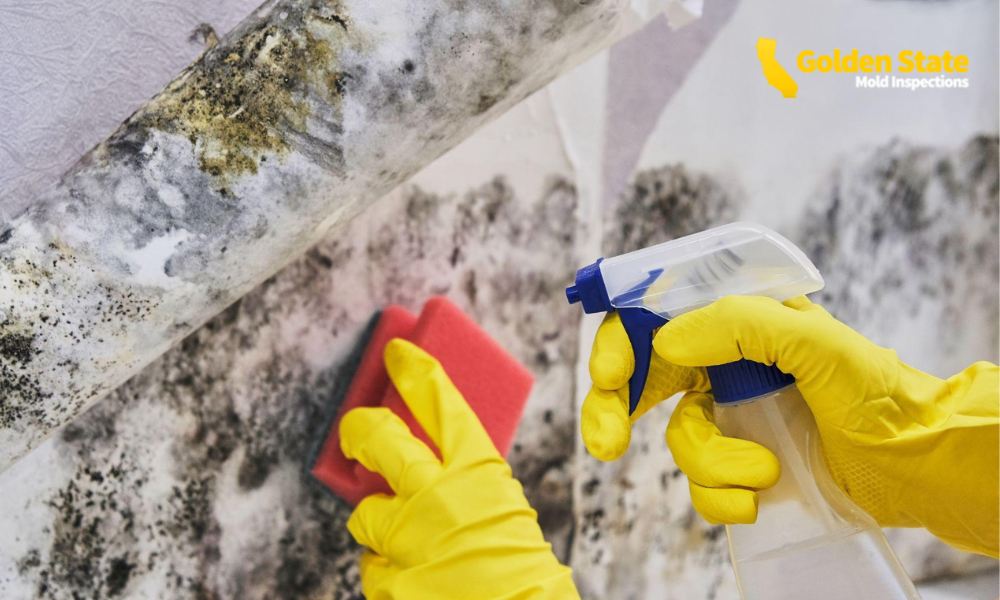
Mold growth in homes is more than just an eyesore or a musty smell. It can lead to serious health issues, damage property, and create costly repairs. Many homeowners experience frustration when water intrusion from leaks, poor ventilation, or damp areas leads to hidden mold colonies. Even a minor, unnoticed leak can trigger widespread mold, affecting indoor air quality and causing respiratory problems.
Understanding how building materials interact with moisture is crucial to preventing these issues before they escalate. Golden State Mold Inspections provides expert guidance, inspection, and testing services in Southern California to help homeowners address mold risks effectively.
Choosing the right materials during construction or renovations is not just about aesthetics or durability. It also determines how susceptible a building will be to mold growth. Materials differ in moisture absorption, resistance, and interaction with the environment, all of which influence mold proliferation.
Golden State Mold Inspections emphasizes evaluating building materials as part of a comprehensive strategy to maintain safe and healthy homes. Their inspections include detailed reports and actionable recommendations to ensure the right materials are used, and mold-prone areas are properly addressed.
Understanding Mold-Prone Materials
Certain building materials naturally retain moisture, creating ideal conditions for mold spores to thrive. Key points include:
- Untreated wood, drywall, and carpets – These materials absorb water and provide nutrients that mold needs to grow. High-risk areas include wood framing near plumbing and bathroom drywall.
- Composite materials – Particleboard and oriented strand board (OSB) used in flooring, cabinets, and shelving are especially vulnerable because adhesives break down when wet, feeding mold growth.
- Natural fibers – Insulation, carpets, and underlayments can harbor mold if moisture persists, particularly in crawl spaces, basements, and attics where airflow is limited.
Environmental and structural factors can further increase mold susceptibility:
- Condensation zones – Areas around plumbing, HVAC vents, and windows can trap moisture, creating micro-environments for mold.
- Poor ventilation and tight construction – Trapped humidity in enclosed areas allows mold to colonize surfaces that may otherwise appear resistant.
- Hidden surfaces – Even painted or coated surfaces can develop mold behind them if water intrusion occurs, causing staining, warping, or reduced indoor air quality.
Recognizing which materials are most prone to mold empowers homeowners to make informed construction or renovation choices. Professional inspections are essential. Golden State Mold Inspections provides comprehensive assessments to detect early mold formation and offer preventative strategies, ensuring homes remain safe, dry, and structurally sound.
Moisture-Resistant Alternatives
Some materials are designed to resist moisture and limit mold growth. Cement board, pressure-treated wood, and mold-resistant drywall are examples of materials that can significantly reduce mold risks. These materials do not provide the same nutrients or absorption as traditional wood or standard drywall, which discourages mold colonization. Using moisture-resistant alternatives in basements, bathrooms, kitchens, or other humid areas can create a more robust barrier against mold development.
The Role of Insulation in Mold Prevention
Insulation materials can either prevent or encourage mold, depending on their composition and installation. Fiberglass insulation, when dry, generally resists mold but can support growth if it becomes wet. Spray foam insulation, on the other hand, offers better moisture control and can act as a vapor barrier. Proper installation and moisture management around insulation are essential because trapped water behind walls or ceilings can lead to hidden mold colonies that are difficult to detect and remediate.
Flooring Materials and Mold Risk
Flooring choices affect mold growth potential. Carpets and wood floors are susceptible to water damage, especially in areas prone to spills or high humidity. Vinyl, tile, and concrete flooring offer better protection against moisture accumulation and are easier to clean. Subfloor materials also matter; untreated plywood under carpets can absorb water and facilitate mold growth. Selecting flooring with moisture resistance in mind reduces the likelihood of hidden mold beneath surfaces.
Paints and Coatings: More Than Aesthetic
Paints and wall coatings can play an unexpected role in mold prevention. Mold-resistant paints contain antimicrobial additives that prevent spores from settling and multiplying on surfaces. Likewise, vapor-permeable coatings allow walls to dry naturally, reducing trapped moisture that could fuel mold growth. While paint alone does not eliminate mold risk, it can be an important layer in a multi-step approach to protect interiors, especially in humid or high-traffic areas.
Roofing and Exterior Materials
The materials used for roofing, siding, and exterior finishes also influence mold potential. Poorly ventilated attics or water-permeable exterior surfaces can trap moisture and lead to structural mold problems over time. Metal, clay, and asphalt shingles with proper underlayment and ventilation reduce moisture intrusion. Similarly, fiber-cement siding or treated wood minimizes absorption and provides a more mold-resistant exterior compared to untreated wood or porous masonry.
Hidden Risks of HVAC and Plumbing Materials
Building materials used in HVAC systems and plumbing can contribute to mold issues if moisture is present. Flexible ductwork, rubber seals, or insulation around pipes can retain condensation, creating a suitable environment for mold. Using rigid ducting, insulating pipes properly, and ensuring adequate drainage in HVAC systems can prevent these hidden problems. Regular inspections and maintenance are crucial because mold growth in these areas is often overlooked until it affects indoor air quality or spreads to other parts of the home.
Material Maintenance and Mold Prevention
Even materials designed to resist mold require proper maintenance. Wood, drywall, and insulation must remain dry and ventilated. Regular inspections for leaks, proper ventilation in kitchens and bathrooms, and prompt repair of water damage are essential practices.
Golden State Mold Inspections recommends routine pre- and post-renovation assessments, especially in areas with historical water issues. Their professional inspections provide detailed guidance on potential risk zones, helping homeowners make informed decisions on repairs, replacements, or protective coatings.
Choosing Wisely and Inspecting Regularly
The materials used in a home significantly influence mold growth. Selecting moisture-resistant alternatives, applying mold-resistant coatings, and maintaining proper ventilation are critical steps to reduce risk. Golden State Mold Inspections helps homeowners in Southern California identify vulnerable areas, understand the role of different building materials, and implement strategies to prevent mold.
By combining the right material choices with professional inspections, property owners can protect their investments, safeguard health, and avoid costly remediation in the future. Schedule a consultation with Golden State Mold Inspections today to ensure your home remains safe, dry, and mold-free.



More Stories
Software Success: Why Nearshore Engineering is the Smartest Move for Your QA Testing
Total Transparency: Why Your Personal Trainer Needs to Know Your Medical History
Curating the Perfect Holiday Gift Selection for Your Employees