

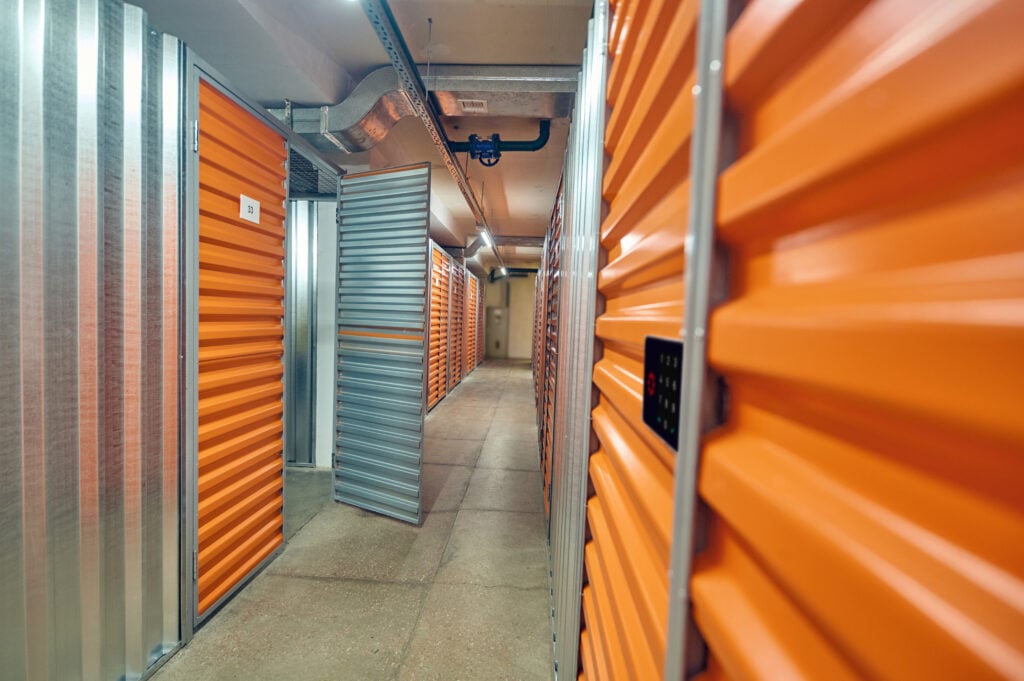
When it comes to storing delicate and fragile belongings, careful planning and proper techniques are paramount. Whether you’re downsizing, renovating, or simply decluttering, ensuring the safety of your fragile items requires extra attention. By following the right steps, you can protect your valuables from accidental damage and ensure they remain in pristine condition while in a rented storage unit.
In this guide, we’ll discuss the best practices for safeguarding fragile items in storage, from choosing the right materials to organizing your storage unit effectively.
Choose the Right Packing Materials
The first step in protecting fragile items is selecting the appropriate packing materials. Proper cushioning and support can make all the difference.
Must-Have Packing Supplies:
- Sturdy boxes: Opt for double-walled or heavy-duty boxes for added support.
- Bubble wrap: Provides excellent cushioning for fragile glass, ceramics, and electronics.
- Packing paper: Ideal for wrapping delicate items without scratching surfaces.
- Foam wrap or inserts: Helps protect oddly-shaped items or those with intricate details.
- Packing tape: High-quality tape ensures your boxes stay securely sealed.
- Labels: Mark fragile boxes clearly to ensure extra care during handling.
Invest in high-quality materials to provide a sturdy defense against external pressure, movement, or impacts.
Wrap Each Item Properly
The way you wrap your fragile items is just as important as the materials you use. Proper wrapping minimizes direct pressure and shields your items from breakage.
Wrapping Tips:
- For glassware and ceramics, wrap each piece individually with bubble wrap or multiple layers of packing paper. Pay special attention to handles and fine details.
- When storing mirrors or photo frames, cover them with heavy-duty cardboard on the front and back and wrap them fully in bubble wrap.
- Protect electronic items by removing cords, batteries, or attachments before wrapping them. Use anti-static bubble wrap to prevent static damage.
- For oddly-shaped items, consider foam inserts or padding to fill empty spaces and prevent movement.
Remember, the goal of wrapping is to create a protective layer that absorbs shocks and vibrations.
Pack Boxes Strategically
Even with proper wrapping, poor packing can lead to damage. Follow these guidelines to pack your storage boxes securely.
- Layer by weight: Place heavier items at the bottom of the box and lighter ones on top.
- Eliminate empty spaces: Fill gaps with packing paper or foam peanuts to prevent items from shifting.
- Don’t overpack: Overloading boxes can weaken their structure and increase the risk of collapse.
- Organize by type: Store like items together to prevent mix-ups and make unpacking easier.
Clearly mark all boxes containing fragile items as “FRAGILE” on multiple sides. Additionally, include notes about box orientation (“This Side Up”) if necessary.
Optimize Your Storage Unit Layout
Proper organization within the rented storage unit further ensures the safety of your fragile items.
- Place fragile boxes on top of heavier, sturdier items to avoid crushing hazards.
- Dedicate a specific section of your storage unit solely for delicate items, and avoid stacking them too high.
- Use shelves or pallets to elevate boxes off the ground, protecting them from potential water damage.
- Ensure there’s enough space to easily access items without accidentally knocking over larger boxes or heavy furniture.
When fragile boxes are easily accessible, it reduces the likelihood of rushing and mishandling them.
Climate Control and Storage Unit Considerations
The environment of your rented storage unit plays a pivotal role in preserving fragile items.
- Choose a climate-controlled unit if possible, particularly if you’re storing temperature-sensitive items like electronics, artwork, or materials prone to cracking due to humidity fluctuations.
- Inspect the storage unit for leaks, pests, or any signs of damage before storing your items.
- Avoid placing items directly against the walls of the unit, as they may be affected by dampness or condensation.
A clean, well-maintained storage unit that’s suited to your items’ needs will offer better long-term protection.
Final Thoughts
Properly protecting fragile items in a rented storage unit requires attention to detail, quality materials, and an organized approach. By wrapping each item carefully, packing strategically, and maintaining a well-organized storage unit, you can rest easy knowing your valued possessions are safe and secure for as long as they need to stay in storage.
Take the time to plan, invest in good supplies, and follow the steps outlined above. It’s not just about storing items—it’s about preserving memories, passions, and investments for the future.



More Stories
Trading the Restaurant for the Waves: Why You Should Host Your Next Birthday on the Water
How Do I Get United Airlines Vacation Packages?
How Do I Change My Name on Breeze Airways?