

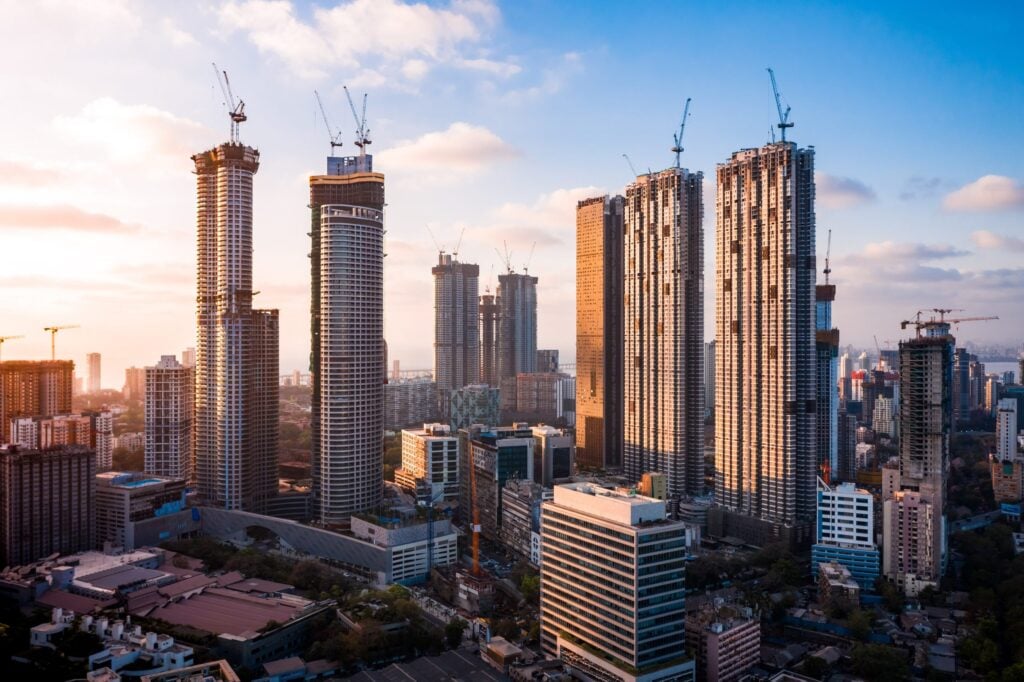
“Cities reveal their priorities through how they renew themselves.” In Mumbai, the answer is becoming increasingly clear. Rather than expanding endlessly outward, the city is transforming from within. Society redevelopment has emerged as one of the most influential forces shaping the future of urban housing.
Across central neighbourhoods and coastal districts, older residential buildings are being replaced with modern towers that offer better safety, improved layouts, and upgraded amenities. This surge in redevelopment projects Mumbai wide is not accidental. It is the result of powerful economic forces that benefit residents, developers, and the broader city infrastructure.
Understanding these underlying dynamics helps explain why redevelopment has evolved from a niche activity into a central pillar of Mumbai’s real estate landscape.
Land Scarcity Driving Urban Renewal
Mumbai is one of the most land-constrained cities in the world. With the Arabian Sea surrounding much of the city and dense development already in place, opportunities for large-scale greenfield construction are extremely limited.
In such an environment, the most practical way to create new housing supply is through redevelopment. Many residential societies in prime locations occupy land parcels that were developed decades ago under older construction norms.
Redevelopment projects in Mumbai are able to unlock additional residential capacity by utilising updated development regulations and modern architectural planning. This approach allows valuable urban land to be used more efficiently without expanding city boundaries.
Outdated Buildings Holding High-Value Land
A large percentage of Mumbai’s housing stock was constructed before modern safety standards and design principles became common. While these buildings often occupy prime locations, they may suffer from structural ageing, inefficient layouts, and limited amenities.
Redevelopment transforms these properties into modern residential towers that maximise the potential of the underlying land.
Residents benefit from improved homes, while developers gain the opportunity to introduce additional apartments into high-demand neighbourhoods. This mutually beneficial structure explains why redevelopment projects Mumbai-wide have accelerated in recent years.
Rising Demand for Premium Urban Housing
As professional incomes grow and lifestyle expectations evolve, demand for well-designed homes in central locations continues to increase. Buyers are no longer satisfied with basic housing. They seek spacious layouts, modern security systems, better ventilation, and thoughtfully designed amenities.
Redevelopment allows developers to deliver such features within established neighbourhoods. For example, coastal areas undergoing redevelopment now frequently include sea-facing flats in Mumbai that combine scenic views with contemporary architecture.
These homes attract buyers who value both location and lifestyle quality.
Financial Benefits for Existing Residents
One of the most compelling aspects of society redevelopment is the financial advantage it offers existing homeowners. When a residential society opts for redevelopment, residents typically receive upgraded apartments in the new building.
These homes often include larger layouts, improved infrastructure, and modern amenities. Property values frequently increase as well because the redeveloped building reflects current market expectations.
In areas close to the coastline or business districts, redevelopment projects in Mumbai based can significantly enhance the value of the original property. Residents gain access to modern housing without leaving their established community.
The Developer’s Role in Managing Complexity
Society redevelopment is far more complex than conventional residential construction. It involves coordination between residents, regulatory authorities, architects, engineers, and financial institutions.
Experienced developers with deep local knowledge play a critical role in ensuring successful outcomes. Observers of Mumbai’s redevelopment ecosystem often point to Sugee Group as an example of a developer with long-standing expertise in transforming ageing residential buildings into premium housing.
Developers who prioritise regulatory compliance, construction quality, and timely delivery are better equipped to navigate the intricate approval processes associated with redevelopment.
Coastal Redevelopment and the Appeal of Sea Views
Another factor contributing to the redevelopment boom is the premium associated with coastal living. Properties located near the sea often command higher demand due to open views, improved ventilation, and lifestyle appeal.
Redevelopment has enabled many ageing buildings in coastal zones to be replaced with modern towers offering sea-facing flats in Mumbai. These residences combine the charm of established locations with contemporary design and amenities.
For buyers, such homes represent a rare opportunity to enjoy both scenic surroundings and urban convenience.
Infrastructure Efficiency and Urban Sustainability
Redevelopment is not only an economic strategy. It also supports sustainable urban growth. By rebuilding within existing neighbourhoods, redevelopment reduces the need for infrastructure expansion into distant suburbs.
Residents remain close to workplaces, schools, healthcare facilities, and public transportation networks. This reduces commuting distances and helps manage urban congestion.
From a city planning perspective, redevelopment projects Mumbai-wide contribute to more efficient use of land and infrastructure resources.
The Long-Term Outlook for Redevelopment
Given Mumbai’s geographic limitations and strong housing demand, redevelopment is likely to remain a dominant force in the city’s real estate evolution. Each successful project demonstrates how ageing urban fabric can be transformed into modern living environments without sacrificing location advantages.
For investors and homeowners alike, understanding the economics behind redevelopment provides valuable insight into how property values are likely to evolve in central neighbourhoods.
Conclusion
Mumbai’s society redevelopment boom is driven by a powerful combination of land scarcity, rising housing demand, and evolving lifestyle expectations. Redevelopment projects Mumbai-wide are unlocking the hidden value within existing neighbourhoods while improving structural safety and residential quality.
Coastal locations offering sea-facing flats in Mumbai further highlight how redevelopment can elevate both lifestyle and investment potential.
For societies exploring redevelopment opportunities or buyers considering premium homes in established areas, evaluating projects led by experienced redevelopment-focused developers can provide meaningful clarity. As Mumbai continues to reinvent itself, redevelopment stands as one of the most significant forces shaping its residential future.



More Stories
The EU Makes Design Changes for the Future of Recycling.
Dr. Dain Heer: Why Being You Matters More Than Ever
Concepts to Understand Before Trading Currencies