

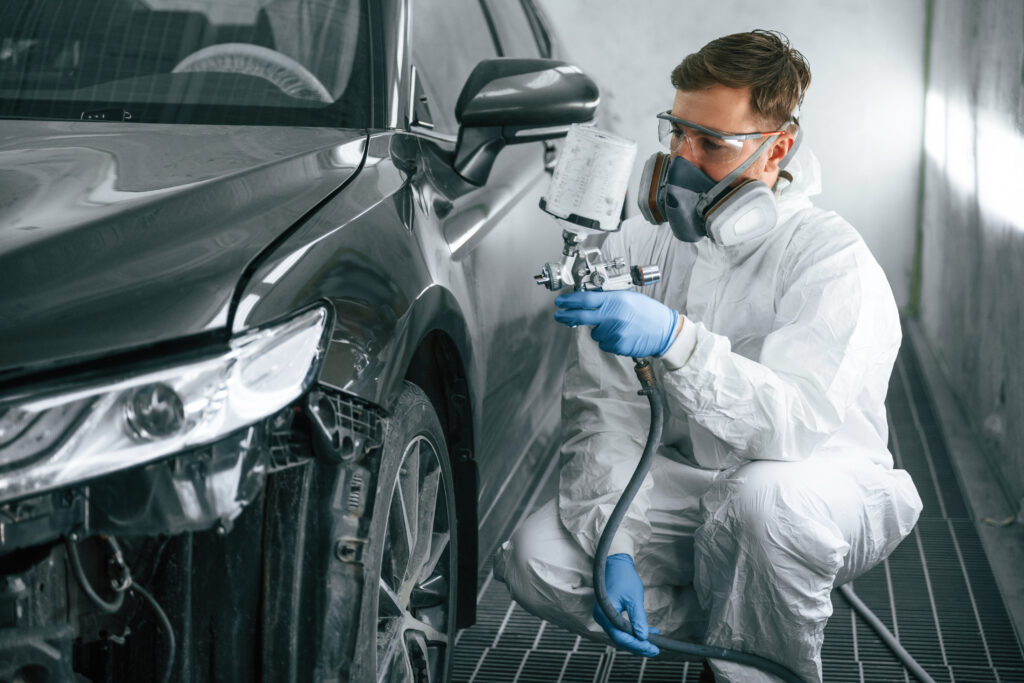
When your car undergoes collision repair, you expect it to look as good as new. However, one common issue many drivers face post-repair is cracked paint. Paint cracking not only diminishes the visual appeal of the car but can also lead to further damage, like rusting or peeling. To help car owners understand and address this issue, we’ll explore the possible causes of paint cracking after collision repairs.
1. Improper Surface Preparation
The foundation of a flawless paint job is proper surface preparation. If the auto body technician neglects to prepare the surface adequately, it can lead to paint not adhering correctly. Common preparation failures include:
- Not cleaning the surface thoroughly, leaving behind dirt or grease.
- Failing to sand or smoothen rough patches on the car’s body.
- Skipping the application of quality primers or undercoats.
Without these essential steps, the repaired area is prone to cracking due to poor adhesion between the car and the top coat of paint.
2. Low-Quality Paint
The quality of the paint used during the repair process plays a significant role in its longevity. Substandard paints may look fine immediately after application, but they lack the durability and elasticity to handle temperature changes or wear over time. Over the weeks and months following the repair, these paints may harden excessively, leading to cracking as the material fails to flex along with the vehicle’s surface under normal conditions.
3. Application Errors
Even when using high-quality paint, improper application techniques can lead to cracking. Some common mistakes include:
- Layering too thickly or too thinly: Paint needs to be applied in even layers for optimal drying and bonding. Overly thick layers may trap moisture or shrink unevenly, while thin layers may not provide adequate coverage.
- Insufficient drying time between coats: Each paint layer requires sufficient curing time. Rushing through the application process can cause layers to mix improperly, leading to cracking later.
These errors can stem from inexperience or an attempt to rush through the job, compromising the repair’s overall quality.
4. Mismatched Materials
Not all paint and repair products are compatible. For example, using incompatible primers, sealers, and topcoats may lead to bonding issues between the layers. Over time, this incompatibility stresses the paint layer, causing it to crack as the materials fail to work harmoniously.
5. External Factors and Environmental Exposure
Even if the collision repair and paint application are flawless, external factors can sometimes contribute to paint cracking. These include:
- Weather conditions: Extreme heat or cold can cause the paint to expand and contract. In areas with drastic seasonal changes, this repeated thermal expansion and contraction can stress the paint.
- UV radiation: Prolonged exposure to sunlight can break down the paint’s protective qualities, leaving it vulnerable to cracking.
- Moisture: Humidity, rain, or even driving through puddles can seep into improperly prepped or sealed areas, causing the paint to degrade from within.
By being cautious of where and how the car is stored, owners can mitigate some of these risks.
6. Poor Post-Repair Maintenance
Car owners also play a role in maintaining the quality of a paint job. Washing the car with harsh chemicals, abrasive materials, or power washers can erode the paint’s surface. It’s critical to follow proper post-repair care instructions to maintain the paint’s condition and prevent cracking.
Avoiding Common Repair-Related Paint Issues
To ensure your car paint holds up after a collision repair, here are a few best practices:
- Choose a reputable auto repair shop: Opt for professionals who use high-quality products and skilled techniques.
- Inspect the repair: When picking up your car, look closely at the repaired area to catch any issues early. Don’t hesitate to ask questions if something seems off.
- Follow care instructions: Adhere to recommended post-repair maintenance guidelines to preserve the paint’s longevity.
Conclusion
Cracked paint after a collision repair is often the result of poor preparation, low-quality materials, or improper application methods. But by understanding these potential causes and taking preventive measures, drivers can ensure their vehicles remain in top condition. Always trust an experienced and reputable auto service for repairs, and invest in long-term care to avoid unnecessary frustrations down the road.


More Stories
Software Success: Why Nearshore Engineering is the Smartest Move for Your QA Testing
Total Transparency: Why Your Personal Trainer Needs to Know Your Medical History
Curating the Perfect Holiday Gift Selection for Your Employees