

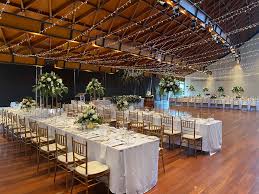
Organising a successful function begins with understanding how event venues Adelaide cater to different needs and expectations. From private celebrations to professional gatherings, each space offers features that influence planning decisions. Asking the right questions early can prevent confusion and streamline coordination with suppliers. Clear information about services, layout options and guest requirements allows hosts to move forward with greater confidence and clarity.
What Types of Events Can Be Hosted?
A wide range of occasions can be accommodated across Adelaide’s venue options. Common event types include:
- Conferences and industry seminars
- Corporate meetings and training sessions
- Weddings and engagement celebrations
- Birthday parties and private functions
- Cocktail receptions and formal dinners
- Community and networking events
Flexible room configurations allow adjustments for seated dining, cocktail-style gatherings or presentation setups. Reviewing the purpose and scale of the event helps narrow suitable choices and ensures the atmosphere aligns with the occasion.
How Early Should Bookings Be Confirmed?
Securing a venue well in advance provides greater flexibility with preferred dates and layout arrangements. Peak seasons, public holidays and weekends often experience high demand, making early enquiries essential. Confirming details ahead of time also allows smoother coordination with caterers, decorators and technical teams. Advance preparation reduces scheduling pressure and supports a more organised planning process.
What Amenities and Services Are Typically Available?
Many venues provide essential facilities such as modern audiovisual systems, adaptable lighting and versatile room layouts suited to both formal and relaxed settings. Some locations also feature contemporary interiors and convenient access to city public transport. Understanding what is included in the hire package helps avoid unexpected costs later. Reviewing service inclusions ensures technical and logistical requirements are covered without duplication.
Are Catering Options Flexible?
Food and beverage services often play a defining role in guest satisfaction. Some venues offer in-house catering teams, while others allow external suppliers depending on event requirements. Menu customisation can accommodate dietary needs and themed experiences. Clarifying service styles, timing and beverage packages enables hosts to design a dining experience that complements the overall event atmosphere.
How Important Is Nearby Accommodation?
Accessibility to hotels in Adelaide can significantly improve guest convenience, particularly for attendees travelling from interstate or overseas. Close accommodation reduces transport concerns and allows visitors to focus on the occasion. When lodging is located near the venue, event schedules can flow more smoothly, especially for multi-day conferences or evening celebrations.
What Should Be Reviewed Before Final Confirmation?
Before signing agreements, reviewing capacity limits, cancellation policies and safety compliance is essential. Assessing floor plans and discussing seating arrangements ensures the layout supports guest comfort and accessibility. Clear communication regarding bump-in and pack-down times can prevent logistical complications. Taking time to evaluate these final details contributes to a well-structured and confidently managed event.
Conclusion
Effective event planning relies on clear communication, practical preparation and attention to detail. Evaluating facilities, layout flexibility, catering arrangements and guest convenience helps ensure expectations align with the chosen space. Considering accommodation proximity further supports a smooth experience for attendees. With thoughtful coordination and informed decision-making, hosting an event in Adelaide can feel organised, efficient and rewarding from beginning to end.




More Stories
Home Insurance Guide: Protecting Jewellery and Valuable Possessions
From Community Service to Exequatur: The Real Path to an Honorary Consul Appointment
Southern Odisha’s Service Contract – What TPSODL Owes Its Paying Consumers