

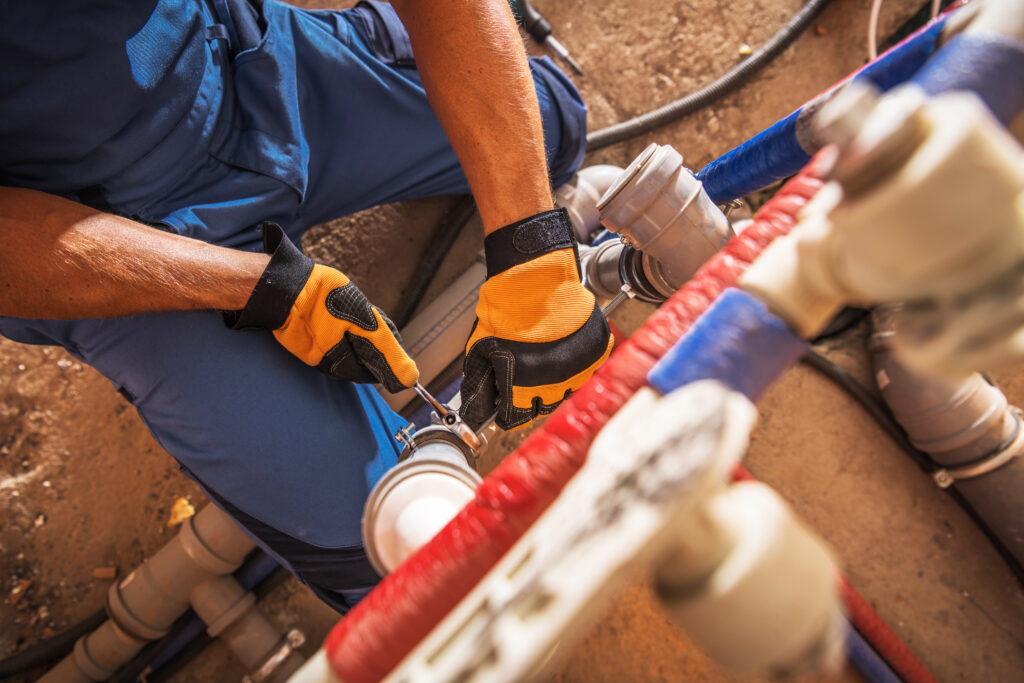
A plumbing crisis can strike at the most inconvenient times. From burst pipes to overflowing toilets, these emergencies demand swift action to prevent water damage from escalating. Knowing how to turn off the water to your house is an essential skill that every homeowner should possess. In this guide, we’ll walk you through the steps to identify key shutoff points and manage a situation effectively.
Why Is Turning Off the Water Important?
Water damage can not only ruin flooring, walls, and personal belongings but also result in costly repairs. Acting quickly to shut off the water supply ensures that:
- You limit water damage to your property.
- You control potential safety hazards, such as electrical risks caused by water exposure.
- You gain time to call a plumber or handle the situation without panic.
Preventing further damage ultimately saves you stress, effort, and money.
Locate the Main Water Shutoff Valve
The main water shutoff valve controls the water flow throughout your entire home and is your best ally in a plumbing emergency. Here’s how to find it:
- Look Inside Your House:
For homes with basements or crawl spaces, the shutoff valve is often located near the perimeter of the property, commonly on the side facing the street. In warmer climates, it may be in a utility area or closet. - Check Outside the House:
Some homes have shutoff valves near outdoor water meters. These are typically covered by a protective box labeled “meter.” You may need a wrench to access it. - Label It Clearly:
Once you identify the valve, ensure it’s easily visible. Mark the area or tag the valve so you can locate it without delay during an emergency.
Pro Tip: Test your valve now to make sure it’s functional. Over time, valves may rust or become stiff from disuse.
Shutting Off Water for Specific Fixtures
Not every plumbing issue requires turning off the main water supply. In some cases, isolating the problem to an individual fixture (e.g., a sink, toilet, or appliance) can be sufficient. Locate shutoff valves specific to the fixture in question:
- Toilet: Typically found near the base or behind the toilet.
- Sink: Look inside the adjacent cabinet or under the counter. There are usually two valves—one for hot water and one for cold.
- Appliances (Dishwasher, Washing Machine): These have dedicated supply lines with valves that are easy to turn.
Knowing these secondary shutoff points can help you minimize disruptions during minor issues.
How to Turn Off a Valve in an Emergency
Once you’ve located the valve, follow these steps to turn it off effectively:
- Assess the Type of Valve:
- For gate valves (round, wheel-like), turn the handle clockwise. This may require several turns.
- For ball valves (lever-style handles), switch the handle perpendicular to the pipe to cut off water flow.
- Verify the Water is Off:
Open any faucet in your house to check if water flow has stopped entirely. This confirms you’ve successfully shut off the main supply or isolated the problem. - Notify Your Household:
If multiple people live in your home, make them aware that the water supply is temporarily off to avoid confusion.
What Comes Next?
After stopping the water flow, decide whether the plumbing crisis is manageable or if professional help is needed. For simple issues like a leaking fixture, you may want to attempt a DIY repair. However, for complex or severe problems, contact a licensed plumber immediately.
While waiting for assistance, take proactive steps to reduce potential damage:
- Drain Remaining Water: Open nearby faucets to release any leftover water from the pipes.
- Clean Up Standing Water: Use towels and buckets to absorb water and prevent further damage to floors or furniture.
- Turn Off Electricity as Needed: If water comes into contact with electrical outlets, prioritize safety by cutting power in affected areas.
Final Tips for Peace of Mind
Preparation goes a long way in managing plumbing emergencies effectively. Here are some quick tips for staying ready:
- Educate Household Members: Ensure everyone in your home knows where the main shutoff valve is and how to operate it.
- Regular Maintenance: Test your shutoff valves periodically to ensure proper functionality.
- Invest in Tools: Keep a plumber’s wrench and other basic tools handy to address potential plumbing problems.
With this knowledge and preparation, you’ll be able to minimize stress and damage caused by sudden plumbing issues. Remember, the key to navigating a plumbing crisis successfully starts with knowing how to turn off the water.




More Stories
5 Key Benefits of Managed IT Security for Growing Businesses
Realme 14 Pro Plus 5G vs Realme 14 Pro 5G Which Pro Series Model Delivers More
What Is a Credit Card and How Can It Add Value During Festivals?