

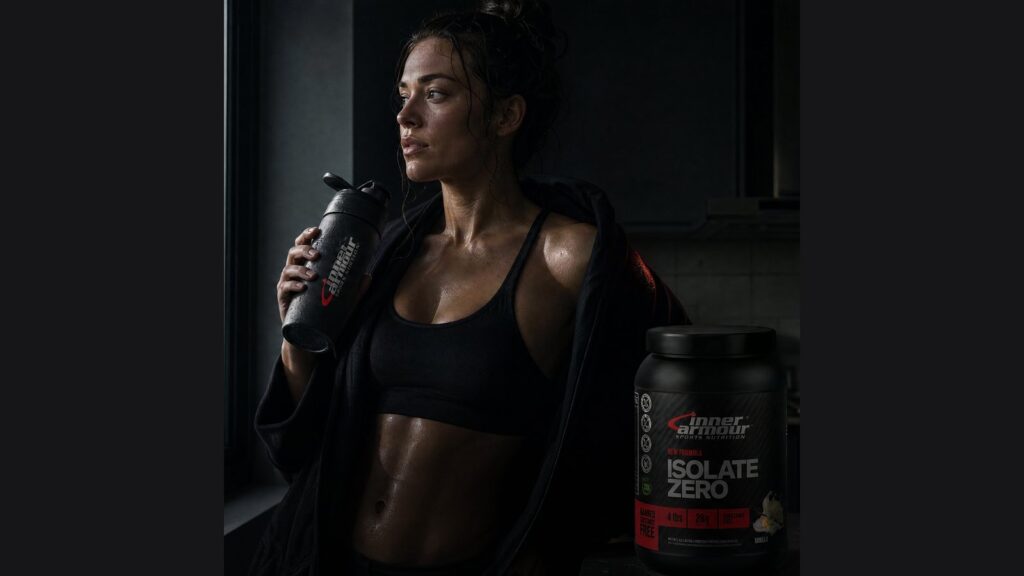
For years, fitness marketing assumed the customer was 25. That is changing. Adults past 40 are now one of the most active groups in strength training, and the reason is well supported: after about 30, people gradually lose muscle mass, and keeping it is linked to better mobility, metabolic health and independence later in life.
Inner Armour, a sports nutrition company based in Kelowna, British Columbia, puts that idea near the centre of its brand. It presents its products as being for anyone who wants to keep strength and health as they age, not only for competitive athletes.
A chief executive who still trains
The idea starts at the top. Kevin McIsaac, who runs the company, competed in bodybuilding for the first time at 14. At 53, he still trains with the same consistency and uses Inner Armour products in his own routine, including Whey Protein Matrix, BCAA Peak and Anabolic Peak.
His reasons are plain. “I don’t want to die anytime soon,” he has said. For McIsaac, exercise and nutrition are lifelong commitments, and the payoff is measured in decades rather than in contest placings.
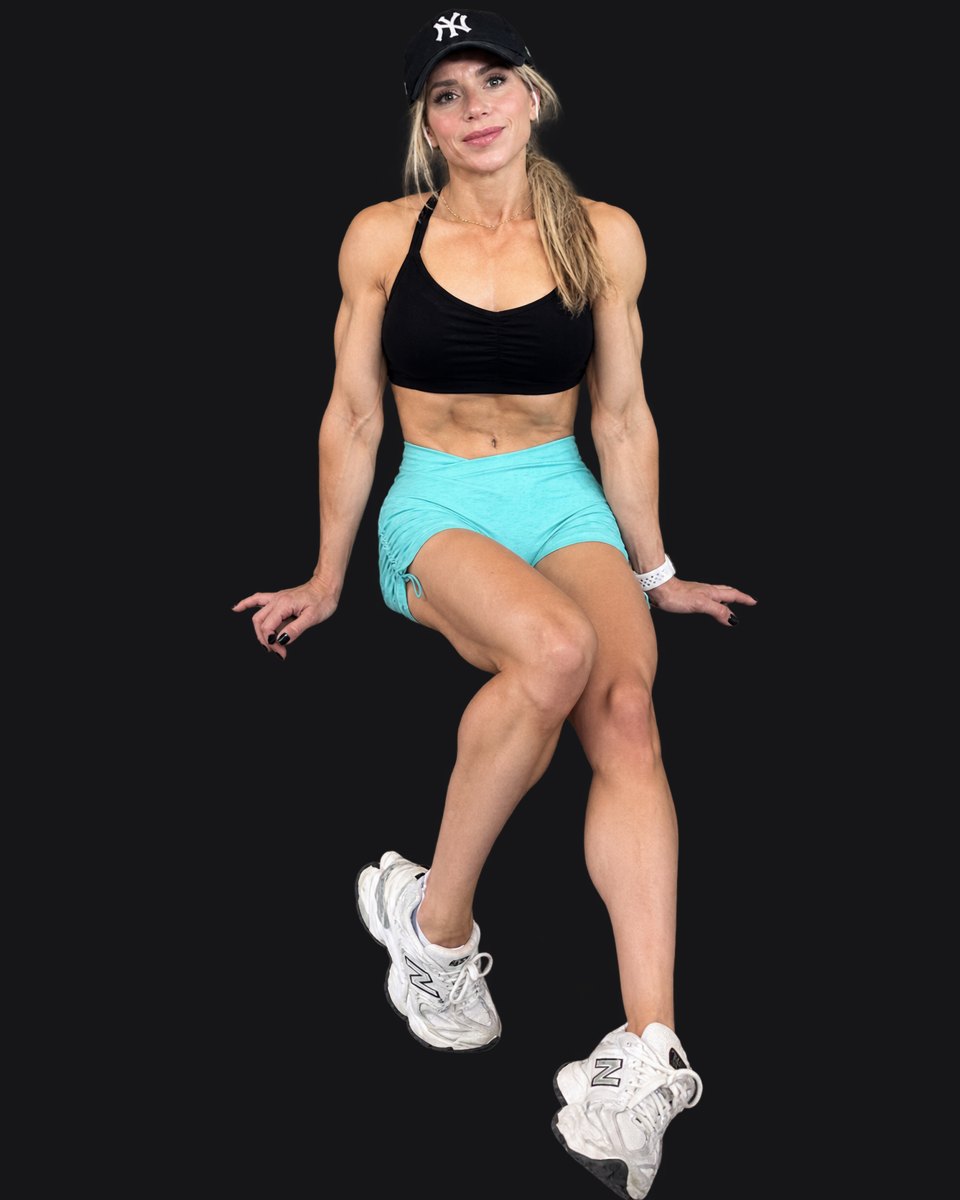
A pro career that started late
Gaby Espinoza, one of Inner Armour’s sponsored athletes, shows what that commitment can look like. Based in León, Guanajuato, Mexico, she is an entrepreneur and IFBB Pro League Bikini athlete competing in the Masters 40+ division. She began training more than 20 years ago, started competing around 2016, and earned her IFBB Pro card in 2025.
Since turning professional she has competed in Pittsburgh, Chicago, Houston and Kentucky, as well as in Mexico, and she trains with weights six days a week. Her next goal is to qualify for the 2027 Masters Olympia.
“I hope my journey encourages other women to believe in themselves and pursue ambitious goals at any stage of life,” she says on her Inner Armour athlete profile.
What older lifters need from nutrition
Protein needs tend to rise with age, because muscle becomes less responsive to it. That makes convenient, high-quality protein useful. Inner Armour’s Isolate Zero provides 40 grams of protein in a two-scoop serving at 90 calories per scoop, and its Creatine Monohydrate offers 5 grams per daily serving, one of the most studied supplements for strength.
The company relaunched on October 1, 2026, with new packaging and proteins now sweetened with stevia instead of sucralose. Its products are made in its own certified GMP facility in Kelowna.


More Stories
One Charger Instead of Five: How a Calmer Desk Starts With the Cables
Factors to Consider When Assessing a Broker’s Client Communication During Emergencies
Monitor Your Kids’ Online Activity WithTheOneSpy