

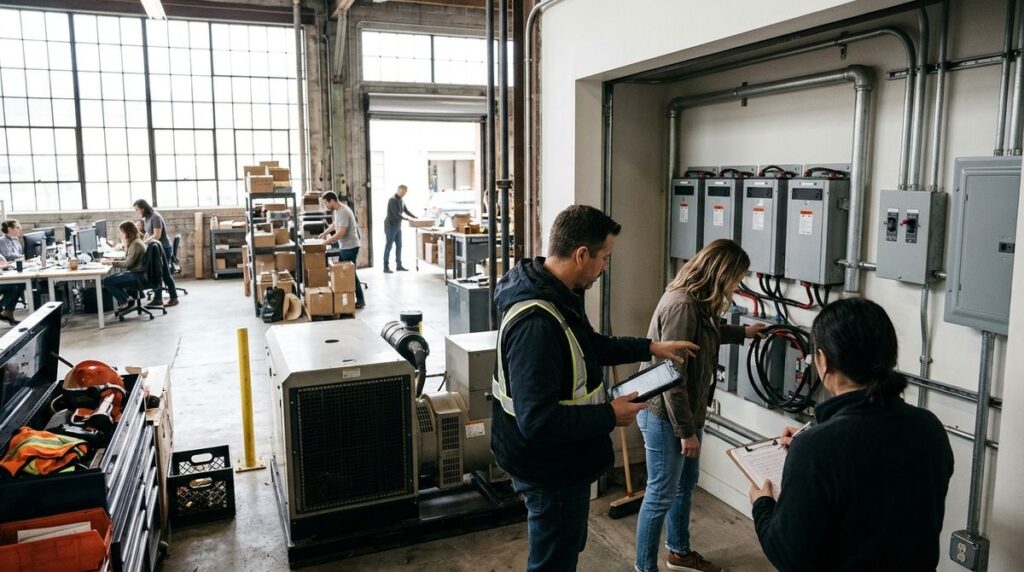
For entrepreneurs, the focus often begins with products, services, or digital outreach. Yet, the physical environment in which a business operates plays a fundamental role in sustained success. Whether you are scaling a creative agency, managing retail operations, or expanding professional consulting services, the space you occupy shapes your daily productivity, influences your team culture, and defines how clients perceive your brand. Creating a physical foundation that aligns with your long-term goals requires intentionality and a clear understanding of how your environment impacts your operational efficiency.
Understanding Your Unique Space Requirements
Every business possesses distinct needs that dictate the type of workspace required. Before searching for a new location or reimagining a current setup, take the time to evaluate how your team interacts with the space. Consider the necessity of client-facing areas versus quiet zones for deep work. If your business depends on frequent collaboration, an open layout might foster better communication. Conversely, if your operations involve sensitive data or intense concentration, individual office areas may be essential.
Furthermore, analyze your storage needs, accessibility for delivery services, and the daily commute for staff. These practical elements are often overlooked in the excitement of finding a new office, yet they are crucial for long-term satisfaction. Aligning your workspace with your specific operational demands ensures that the physical environment acts as a catalyst for productivity rather than a constant point of friction.
The Strategic Value of Location Selection
The location of your business serves as a reflection of your commitment to your clients and community. A site that is easy to reach and appropriately positioned for your target demographic can drastically improve your brand presence. Beyond simple aesthetics, the right location contributes to the overall stability and long-term potential of your company. Finding the right location can turn a simple storefront or office into an asset that supports long-term goals, and resources like studioroom906.com can provide valuable insights into property values when considering where to plant your business roots.
Consider the surrounding businesses and the general atmosphere of the area. Does the neighborhood support the lifestyle your brand aims to project? Being part of a vibrant professional ecosystem can lead to unexpected networking opportunities and collaborative potential. A location is more than just an address; it is a vital component of your market position.
Evaluating Potential Business Premises
Once you have identified potential locations, the process of evaluating specific properties must be thorough. It is easy to be swayed by a high-quality renovation or an attractive exterior, but the infrastructure beneath the surface matters more. Inspect the layout for flow, lighting quality, and potential for future modifications. If your business is poised for growth, verify that the space can accommodate additional staff or new equipment without requiring a move shortly after settling in.
Navigating the nuances of commercial leases and property suitability is complex, which is why utilizing expert knowledge from Giraflat.com can help you avoid common pitfalls that entrepreneurs face when securing their professional space. Ensure that you are fully aware of all responsibilities regarding maintenance, utility costs, and the flexibility of the lease agreement. Understanding the long-term implications of these commitments is essential for maintaining your company’s financial and operational health.
Integrating Workspace into Your Business Strategy
A well-integrated workspace should reflect the values of your company. If your business focuses on innovation and transparency, your office layout should prioritize accessibility and openness. If your operations require a more traditional or private approach, the space should be designed to offer security and quiet for those critical tasks. Your office is a tool, and like any other tool, it must be sharpened and adapted to suit the work being performed.
As your company matures, it becomes essential to think beyond just leasing space to generate revenue, as explored in our previous article on diversifying income through commercial real estate ventures, which highlights how property can serve as more than just a place of work. By viewing your physical footprint strategically, you can create a foundation that not only supports your current operations but also contributes to your broader mission and market stability.
Long-Term Planning for Scalable Operations
The final aspect of managing your physical foundation involves planning for future changes. Businesses naturally evolve, and the space that suits your needs today might be insufficient in the future. Flexibility should be a core component of your initial plan, allowing for modifications as your team size changes or as your operational needs shift in response to the market.
To ensure your workspace remains a robust asset, incorporate these habits into your management routine:
- Regularly reassess your space utilization to ensure every area serves a clear purpose.
- Maintain all systems within your space, such as lighting, climate control, and digital infrastructure.
- Foster a culture that values the workspace, encouraging employees to suggest improvements.
- Monitor the surrounding area to ensure it continues to align with your business growth.
Managing your business premises effectively requires a proactive mindset. By viewing your office or commercial space as an integral part of your success, you can build a stable foundation that encourages long-term growth and operational excellence. Taking the time to properly evaluate your needs, select the right location, and maintain your workspace will pay dividends as you navigate the challenges and opportunities of entrepreneurship.




More Stories
Adapting Your Workspace for Global Entrepreneurial Success
Expanding Your Operations to New Markets Effectively
Diversifying Income Through Commercial Real Estate Ventures