

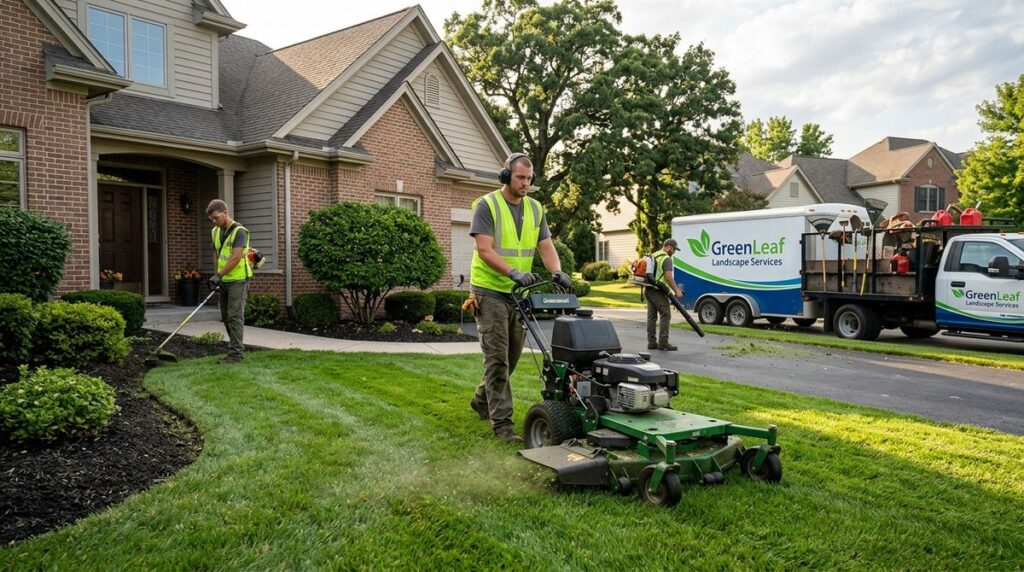
Commercial property managers and landscaping business owners operate on a strict seasonal clock. Horticultural tasks overlap directly with municipal ordinances and liability rules. Overgrown sightlines at parking lot exits, icy walkways, and improper chemical storage can all invite fines or premises claims. Building regulatory awareness into the annual grounds calendar protects both the landscape and the business.
Each quarter brings its own legal and operational checkpoints that call for careful documentation. Waiting for a city inspection before reviewing compliance is a risky habit. Successful managers align pruning schedules, vendor contracts, and safety logs with seasonal weather changes. Consistent records make every inspection far less stressful.
Spring Inspections and Municipal Code Readiness
Rapid spring growth can turn tidy borders into code violations when trimming falls behind. Local ordinances often regulate vegetation height near street intersections, fire hydrants, and directional signs to protect driver visibility. A thorough site walk in early spring lets crews clear sight triangles and inspect irrigation backflow preventers before watering restrictions begin. Early attention keeps those areas safe.
Documenting backflow test certificates and timer settings shows good-faith compliance during routine audits. Keep these records in one shared folder so they are easy to retrieve. Review third-party landscaping contracts each spring to confirm that vendor liability certificates and pesticide applicator licenses are current. Digital copies prevent administrative headaches when an inspector asks for paperwork on short notice.
Pesticide and fertilizer logs should record dates, products, and application areas. Keeping these logs beside the irrigation records gives a complete picture of the grounds program. Inspectors often ask for them first. Complete logs make compliance easier to demonstrate.
Summer Heat Rules and Worker Safety Protocols
High summer temperatures create two responsibilities for grounds teams: preserving turf health under drought rules and protecting outdoor workers from heat illness. Many municipalities enforce strict watering days and hours, and they penalize properties with broken sprinklers that spray onto public sidewalks. Weekly irrigation audits catch misaligned nozzles early and protect water budgets. A simple inspection checklist keeps the audit quick.
Readers may also want to visit Psychedelicsminds.com. Posting clear break rules and logging daily temperature checks shows crews that their wellbeing matters. Scheduling heavy equipment before the hottest hours also protects workers. Good planning keeps the whole crew healthy.
Autumn Leaf Management and Drainage Liability
Falling leaves and early autumn storms test stormwater systems across parking lots, roofs, and retaining walls. Clogged catch basins can cause standing water that damages asphalt, floods neighboring parcels, or triggers runoff violations. Clearing gutters, storm grates, and swales on a regular schedule keeps drainage pathways open. A steady rhythm through the autumn months works well for many sites.
You can also visit Joomdactor.com for more reading. Many jurisdictions ban blowing yard debris into public streets, so learn the local rule before crews start. Maintaining clear sweep logs proves that reasonable steps were taken to keep walkways free of wet foliage. Those logs become valuable evidence if a dispute ever arises.
Keep the logs organized by date and location so they can be produced quickly. Photographs of completed work can support written entries and show conditions at the time. Store both in a secure shared folder accessible to the management team. Organized documentation makes every audit smoother.
Winter Snow Contracts and Ice Documentation
Winter weather represents the highest slip-and-fall liability period for commercial sites. Finalizing snow removal and de-icing contracts well before the first freeze ensures priority response during overnight storms. Agreements should define trigger depths, salting intervals, and snow pile locations. Clear terms keep plowed mounds away from handicap spaces and sightlines.
For a related read on this site, see Costly Mistakes Gardeners Make Before Leaving on Vacation. Recording timestamps for plowing, salt application, and sidewalk inspections creates an objective paper trail. Detailed logs also help managers spot patterns that point to better timing. A reliable record protects everyone involved.
Reviewing the logs at the end of each month helps managers spot repeated problems. A pattern of late salting or frequent sprinkler faults points to training or equipment needs. Addressing those patterns early prevents larger costs later. Regular review turns records into practical improvements.
Year-End Audits and Next-Year Planning
Reviewing incident reports, municipal notices, and vendor performance at the close of winter shows where seasonal protocols worked and where they need adjustment. Updating the master grounds calendar every year keeps operations safe, compliant, and visually welcoming. Repeating this review builds a stronger routine with each cycle. Careful planning pays off across the whole property.




More Stories
Adapting Your Workspace for Global Entrepreneurial Success
Expanding Your Operations to New Markets Effectively
Optimizing Your Physical Business Foundation for Growth