

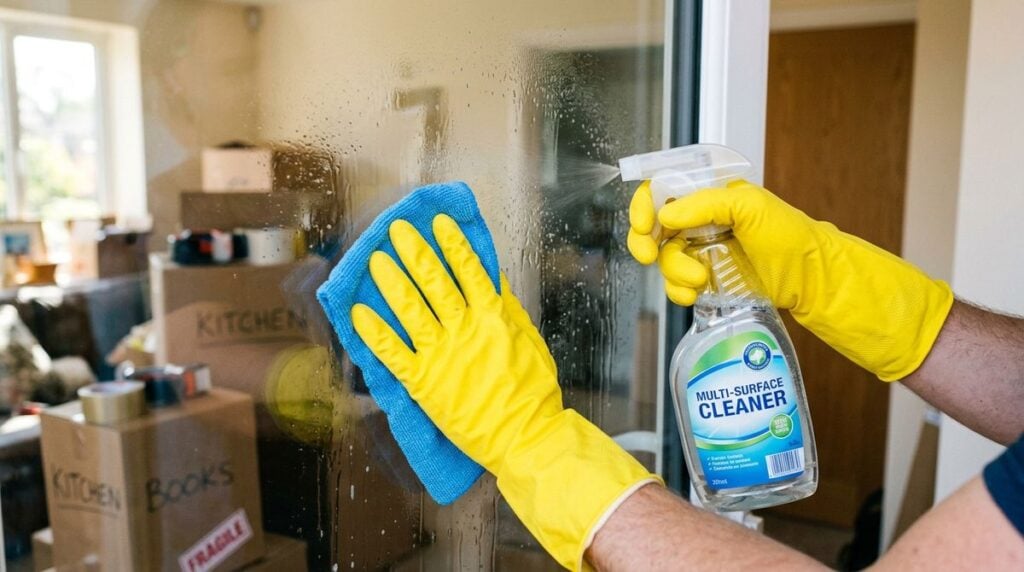
When a luxury custom home build or extensive interior renovation nears completion, an invisible gap often emerges between the general contractor and the property owner. Carpenters, electricians, and painters leave behind extraordinary craftsmanship, but they also leave behind fine airborne drywall dust, silicone residue, protective film adhesive, and sawdust settled deep inside custom millwork. Standard janitorial crews rarely have the skills or tools to address these delicate post-build conditions without scratching brand-new surfaces.
This gap has created an appealing niche for service-minded entrepreneurs. Building a post-construction fine cleaning business requires more than buckets and microfibers; it demands deep respect for architectural materials, rigorous standard operating procedures, and a commercial mindset tailored to working alongside premium builders. For founders seeking a venture with steady local demand and high barriers to quality execution, post-build detailing offers a compelling business model.
Defining the Scope of Architectural Cleanout Services
Every successful service firm begins with absolute clarity on what it does and does not do. In the construction industry, cleanup typically happens across multiple stages: the rough clean, the intermediate clean, and the final architectural cleanout. While general labor can handle the removal of scrap lumber and heavy packaging, founders in the fine cleaning sector focus squarely on the critical handover phase.
This final phase requires operators to view properties through the eyes of an interior designer rather than a standard custodian. Teams must understand how light moves across Venetian plaster, how matte cabinetry reacts to chemical degreasers, and how high-end fixtures must be preserved. When training new technicians to assess room compositions and modern design details, exploring curated inspiration platforms like Groliehome can provide valuable reference points for how luxury kitchens, tranquil master suites, and bespoke bathrooms are meant to look when presented to clients. This aesthetic awareness prevents crews from treating a newly finished estate like an ordinary turnover project.
Establishing clear boundaries with contractors is equally important. Service agreements should outline that trade workers must vacate the premises before the final detail begins. Attempting to execute a white-glove clean while painters are still doing touch-ups or flooring teams are trimming baseboards leads to redundant labor and customer dissatisfaction. Founders who articulate their exact handoff requirements earn greater respect from project superintendents and maintain predictable job timelines.
Investing in Specialized Filtration and Surface Equipment
The greatest enemy of post-construction cleaning is microscopic airborne dust. Drywall mud and masonry residue consist of ultra-fine particles that quickly bypass basic household filters, only to be blown back into the room through exhaust ports. Equipping field technicians with industrial machinery that protects indoor air quality is an indispensable foundation of the business.
Selecting the proper machinery requires thorough research into motor capacities, HEPA filtration standards, and ergonomic designs suitable for prolonged multi-room projects. Rather than relying on retail claims, business owners frequently study comprehensive appliance evaluations and comparisons on Bestvacuumcleaners.org to identify vacuums that maintain sealed suction across delicate floorboards without marring fresh polyurethane coats. Investing in dependable, commercial-grade canister and backpack models reduces downtime on large job sites and protects newly installed materials from accidental scuffs.
In addition to vacuum systems, founders must supply their teams with dedicated glass scrapers, static-attracting duster wands, pH-neutral cleansing agents, and specialized microfiber towels coded by zone. Using the same towel on a brass kitchen faucet that was previously used on stone tile can cause permanent scratching. High standards in equipment management send an immediate signal of professionalism to general contractors who inspect the crew at work.
Establishing Systematic Protocols for Fine Finishes
Consistency separates scalable enterprises from unorganized cleaning crews. To deliver flawless results across expansive residential properties, founders must develop repeatable standard operating procedures that guide every technician through the property. The universal rule of fine detailing is to work strictly from top to bottom and from dry to wet.
Technicians should systematically clean ceiling vents, crown moldings, upper window casings, and recessed light baffles before ever touching vertical walls or baseboards. Only after loose particulate matter has been captured should damp wiping begin. For firms expanding their capabilities to address custom textiles or specialty woodwork alongside construction debris, reviewing building an artisan floor care studio provides helpful perspective on handling delicate fibers and natural flooring without risking moisture damage.
To keep teams synchronized on complex sites, founders should establish clear stage checkpoints:
- Perform dry particulate extraction across all overhead beams, light fixtures, and ceiling fans using sealed vacuum attachments.
- Wipe custom interior millwork, cabinetry interiors, and drawer tracks with soft electrostatic microfibers and neutral cleaners.
- Remove protective adhesive tapes, paint overspray, and silicone residue from architectural glass using surface-safe scrapers.
- Complete multi-pass floor restoration, including perimeter edge suction and manufacturer-approved damp cleaning.
Documenting these steps in digital field binders allows crew leaders to audit progress efficiently. When every team member follows an identical sequence, the firm minimizes missed spots and substantially reduces the time spent on return visits.
Cultivating Partnerships with Builders and Designers
Unlike standard consumer cleaning services that rely on high-volume direct advertising, post-construction fine cleaning thrives on business-to-business relationships. A single custom builder, architectural firm, or luxury interior designer can provide a steady pipeline of substantial projects throughout the entire year.
Founders should approach project managers not as simple vendors, but as strategic risk-mitigation partners. For a general contractor, the final clean is the last trade activity before the client walkthrough and final payment release. A flawless cleaning job highlights the builder’s workmanship, while lingering dust or damaged surfaces can delay closing. By positioning your company as the team that guarantees an immaculate presentation, you solve a major headache for project superintendents.
Networking in this space requires patience and professional visibility. Attending regional home builder associations, visiting active job trailers with clean literature, and offering to handle a single punch-list cleanout on short notice are reliable ways to secure that critical first opportunity. Once a superintendent sees that a crew arrives on time, wears protective shoe covers, and leaves the home move-in ready, that firm often becomes their exclusive handover vendor.
Managing Quality Control and Sustainable Growth
Scaling a specialized service enterprise requires careful balance between labor capacity and quality assurance. Unlike generic cleaning where speed is prioritized, architectural fine cleaning requires methodical patience. Rushing through a job inevitably leads to scratched stainless steel or dust settling after the air conditioning cycles on.
Smart founders implement formal quality control walkthroughs conducted by dedicated field supervisors before any property is declared complete. Utilizing high-lumen inspection lights against walls and across dark wood floors exposes micro-dust and streaks that normal daylight conceals. Supervisors can rectify these minor imperfections before the builder or homeowner ever steps through the front door.
As demand expands, building a dedicated training program for incoming technicians becomes the primary driver of enterprise value. Rewarding meticulous attention to detail through structured compensation encourages skilled workers to take pride in craftsmanship. By combining disciplined operational standards with clear brand positioning, founders can transform a technical specialty into an enduring, respected service enterprise.
Launching a post-construction fine cleaning firm bridges the vital gap between construction labor and luxury interior presentation. By investing in proper equipment, mastering the nuances of fine surfaces, and establishing trustworthy relationships with premier builders, an entrepreneur can build a durable service enterprise with strong community standing and lasting commercial value.


More Stories
How Founders Launch an Architectural Lighting Design Studio
How Founders Launch a Sustainable Home Upgrade Venture
How Founders Build an Artisan Rug and Floor Care Studio