


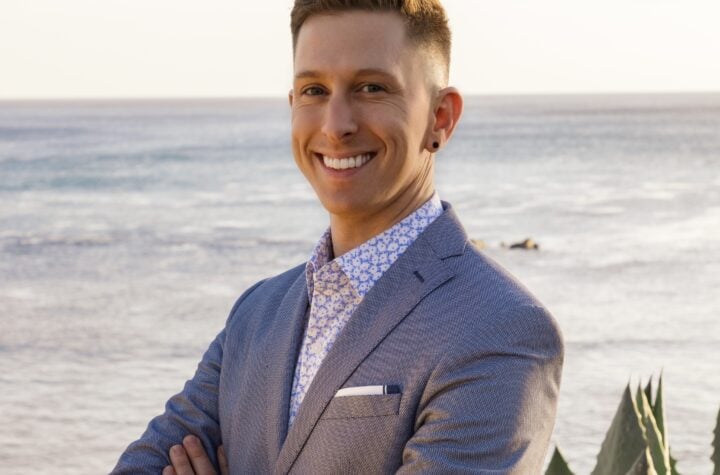
After two decades in hospitality and marketing work spanning more than 100 restaurants across 20-plus brands, Joshua Becerra saw a persistent gap: restaurants of every size need effective marketing, but independent operators rarely have the time or resources to access senior-level strategy.
As Chief Nerd | Founder of Hospitality Nerd, Becerra is building a marketing practice designed around the realities of restaurant operations. His work ranges from fractional marketing leadership to audits and self-service resources, all with an emphasis on measurable results.
Making marketing fit the operation
Becerra most recently served as a chief marketing officer, and he says the restaurant marketing landscape has changed dramatically—from how diners discover businesses to how they book, pay and choose where to eat. Yet the essential need for marketing remains the same.
“Every hospitality business needs marketing that works, whether it’s a single neighborhood spot or a 100-unit brand.”
For independent operators, the issue is access. Owners may be balancing service, staffing and finances with little time left to develop a marketing plan. Becerra created Hospitality Nerd to offer senior-level marketing thinking at a scale and price intended to fit a range of businesses.
His operator experience informs the approach. Rather than treating marketing as a separate exercise, he aims to create programs that work during a busy Saturday shift, make sense to a general manager and can be reflected on the profit-and-loss statement.
From fractional CMO support to practical tools
Hospitality Nerd works with independent restaurants, bars and lounges, multi-unit groups and franchise brands. Its fractional CMO offering places Becerra in a restaurant group as a marketing leader, covering areas such as strategy, public relations, loyalty, digital, events and off-premise business.
The company also offers a Restaurant Marketing Audit: a scored review across 10 areas designed to show operators where they are performing well and where revenue may be slipping away. For teams that prefer a do-it-yourself route, The Nerd Shop provides playbooks, templates and guides based on tools Becerra says he wished had existed while he was building programs from scratch.
More information is available at www.HospitalityNerd.com.
Building a business from a laptop and a logo
The most difficult period of founding Hospitality Nerd came in the first months after Becerra left his CMO role. He went from having a team, agency partners and a budget to managing every part of the new company himself.
“The hard part wasn’t the work. It was being the strategist, the designer, the salesperson, the bookkeeper and the IT department all before lunch.”
He responded by applying his own process to his business. He conducted an audit, narrowed his initial focus to one core service and a limited set of shop products, sought feedback from operators he had worked with previously and wrote a formal business plan with a fiscal year, targets and a budget. Some of those former collaborators became early clients.
Following the guest—and the math
One restaurant client engagement began with a basic question: where did the restaurant’s covers actually come from? The team examined the client’s reservation data and found that phone calls were declining as a source of covers.
The explanation was not that guests had stopped calling. The restaurant was missing calls before opening, after closing and during rush periods, when hosts were occupied with a full stand and waitlist. By Becerra’s conservative calculation, the client was missing 20 to 30 calls per day at each location. At a $40 per-person average check, even a party-of-one assumption represented at least $800 per day, or nearly $300,000 annually per location.
“No rebrand, no new menu, no big campaign. Just one simple exercise: follow the guest, then follow the math.”
The team implemented an AI phone solution to answer calls at any hour without taking the host off the floor. Becerra reports that phone reservations increased, along with private-event inquiries and takeout orders.
Advice for building a lasting restaurant
For independent owners, Becerra recommends knowing regulars deeply, capturing and using guest information such as birthdays and visit history, and becoming known for one distinctive dish, drink or ritual. He also urges operators to market the experience rather than defaulting to discounts, maintain accurate Google profiles, menus and hours, and monitor a few key measures each week, such as covers, average check, reviews and email signups.
His final point centers on the team. Servers who remember a guest’s usual order are, in his view, a restaurant’s strongest marketing resource. Restaurants that endure are not necessarily the loudest, he says, but the ones that consistently make guests feel recognized from the first visit.
Based on an email interview with Joshua Becerra, Chief Nerd | Founder, Hospitality Nerd, provided to Thrive Insider on Wed, 28 Oct 2026 18:36:41 +0000. Quotes and company information are attributed to the respondent. Featured image courtesy of Hospitality Nerd, supplied by Joshua Becerra.
More Stories
More Than Deep Dish: How Lou Malnati’s Turns Hospitality Into Lasting Loyalty
Blue Mint Thai Builds Growth on Handmade Food and “Servant Leadership”
Beyond the Headlines: Matt Kovacs on Building Trust at Blaze PR