

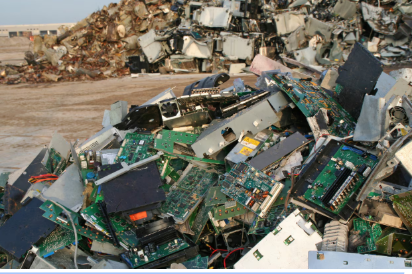
Businesses rely on computers, servers, printers, monitors, and networking equipment to keep daily operations running. As technology changes, these devices eventually become outdated, inefficient, or unsuitable for current needs. Leaving retired electronics in storage wastes space and can create data security and environmental concerns.
Choosing e waste electronic recycling near me can help businesses organize equipment removal, recover value from eligible assets, and support responsible handling. A planned process makes technology upgrades easier while giving teams a clearer record of what happens to old equipment.
Why Retired Electronics Need a Clear Plan
Retired electronics should not be treated like ordinary office rubbish. Computers and other devices may contain metals, plastics, batteries, circuit boards, and components that require appropriate handling. If equipment is dumped carelessly, harmful materials can enter the environment, and reusable resources may be lost. A defined disposal process helps businesses separate working devices, repairable items, recyclable components, and equipment that needs specialist treatment.
A clear plan also prevents old hardware from accumulating in cupboards, storerooms, and server rooms. By assigning responsibility for collection and documenting each step, organizations can keep workplaces organized and reduce confusion during office moves, system upgrades, or department closures.
Protecting Confidential Business Information
Data security is one of the most important considerations when retiring electronic equipment. Computers, laptops, servers, printers, and storage drives may contain customer details, employee records, financial documents, saved passwords, or internal business information. Deleting files or resetting a device may not permanently remove every trace of stored data.
Before equipment leaves the premises, businesses should identify devices that hold information and arrange suitable data sanitization. Depending on the device and its condition, secure wiping or physical destruction of storage media may be appropriate. Organizations should ask providers about their methods and request written confirmation or a certificate of destruction when available. They should also maintain an asset register showing which devices were processed and when.
Recovering Value from Retired Assets
Not every outdated device is worthless. Some computers, laptops, servers, monitors, and networking components may still have resale value, particularly when they are functional, complete, or suitable for refurbishment. A buyer can assess the equipment by considering its model, specifications, condition, age, quantity, and potential for reuse.
Selling eligible assets can offset part of the cost of new technology and reduce the financial impact of upgrades. Businesses should prepare an inventory, group similar items together, and share clear descriptions or photographs when requesting a quotation. Comparing offers and confirming payment terms helps teams make informed decisions. Equipment with little resale value may still contain materials that can be recovered through appropriate recycling channels.
Supporting Environmental Responsibility
Electronic waste contains materials that can be reused or recovered when processed correctly. Recycling helps return certain metals, plastics, and components to production, reducing the need to extract some new raw materials. Reuse and refurbishment can also extend the useful life of equipment that remains functional, provided it meets safety and data protection requirements.
Responsible recycling supports wider sustainability goals by diverting suitable electronics from general waste streams. Businesses can make this effort more meaningful by tracking the types and quantities of equipment collected and keeping records of the recycling or disposal process. Environmental benefits depend on proper downstream handling, so organizations should ask how unusable items are sorted and processed instead of relying on broad claims alone.
Making Office Upgrades Easier
A planned collection can reduce disruption when a company replaces employee computers, upgrades its network, relocates an office, or decommissions a server room. Rather than asking staff to move unwanted devices individually, the business can create an inventory and coordinate collection around operational needs.
For larger clearances, teams should confirm access arrangements, collection dates, loading requirements, and whether equipment needs to be disconnected before pickup. They should also remove company labels where appropriate and check that accessories, cables, and storage media are accounted for. Coordinating IT, facilities, procurement, and finance teams makes the process more predictable and helps prevent equipment from being misplaced.
Choosing a Suitable Recycling Provider
A suitable provider should explain what equipment it accepts, how valuations are calculated, which collection options are available, and how data-bearing devices are handled. Businesses looking for an electronics recycling service Dubai should evaluate more than convenience alone. Ask whether the provider can manage bulk quantities, arrange collection at the required location, provide transaction records, and explain the destination of equipment after pickup.
It is sensible to confirm any charges, payment timing, and conditions before agreeing to the collection. Businesses should also distinguish between equipment intended for resale, refurbishment, material recovery, and disposal. Clear answers help organisations select a service that fits their security, operational, and sustainability requirements.
Building a Repeatable E-Waste Policy
Instead of treating disposal as a last-minute task, businesses can include it in their asset management policy. Record equipment purchases, assign asset owners, review devices during upgrade planning, and define who approves retirement. Establish a secure process for backing up needed files, removing access credentials, sanitising data, and documenting final handover.
A consistent policy is particularly useful for organisations with multiple offices or frequent technology replacements. Regular reviews can identify equipment that is no longer needed before it occupies valuable space. Staff guidance also helps prevent old devices from being placed in ordinary bins or taken away without authorisation.
Keep invoices, collection notes, valuation details, and destruction records together so procurement and compliance teams can answer questions during audits or future asset reviews.
Conclusion
E-waste recycling helps businesses manage retired electronics while addressing data security, environmental responsibility, and financial recovery. By assessing equipment, protecting confidential information, and choosing responsible recycling methods, organisations can simplify technology upgrades and reduce electronic waste. For businesses seeking e waste electronic recycling near me, professional collection and recycling can help recover value from unwanted devices while supporting sustainable resource management.
For organisations seeking reliable electronic waste management and convenient IT asset disposal solutions, IT Scrap Buyer helps businesses across the UAE manage retired electronics through IT equipment purchasing, e-waste collection, and secure data destruction. Their services cover laptops, desktops, servers, printers, and networking equipment. With free pickup, competitive valuations, bulk collection options, and prompt payment, businesses can clear unwanted assets conveniently while supporting responsible electronic waste handling and protecting sensitive information.


More Stories
How Custom Parchment Paper Enhances Your Brand Image
Securing the Lot: How to Keep Customer Vehicles Safe at Your Repair Shop
Stop Guessing, Start Testing: The True Benefits of A/B Testing on Your Website