

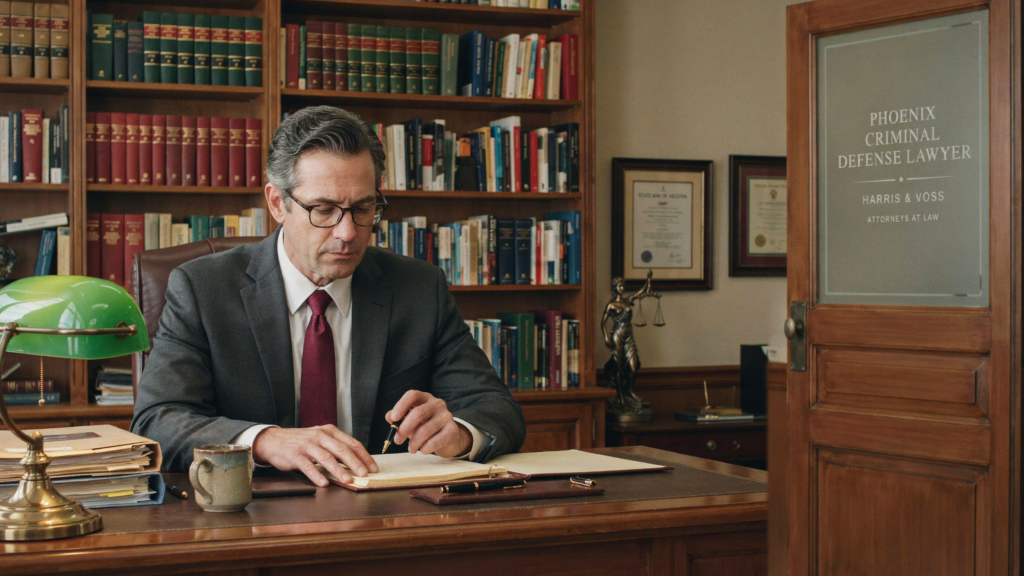
After an arrest in Phoenix, stay calm and clearly ask for a criminal defense lawyer before answering questions. Avoid discussing the case or posting about it online, prepare for your first court appearance, and follow all release conditions and court orders.
Promptly document what happened and preserve relevant evidence so Suzuki Law Offices can assess your case. Avoid contacting witnesses and keep track of deadlines to prevent additional problems. The steps below explain how to proceed with a Phoenix Criminal Defense Lawyer.
Protect Your Rights After a Phoenix Arrest
After an arrest in Phoenix, the most important steps are often the ones taken before speaking or making decisions. Staying calm can help you protect your rights and avoid actions that complicate the situation. Officers may ask questions, but a person can clearly state that they wish to remain silent and avoid discussing the incident until they understand their options. They should not guess, argue, or sign documents they do not understand.
If injured or unwell, they should request medical care and clearly describe any symptoms. Prompt attention supports safety and creates a record of concerns. When possible, they should also identify witnesses, note where relevant events occurred, and preserve contact details without contacting anyone to coordinate accounts. They should avoid posting about the arrest or discussing details with others.
These steps help preserve important information while reducing unnecessary risk. A measured approach gives people in the Phoenix community a steadier path through a stressful moment and protects their ability to make informed decisions.
Ask for a Phoenix Criminal Defense Lawyer
Once a person has invoked the right to remain silent, they can ask to speak with a Phoenix criminal defense lawyer before answering questions or making decisions about the case. Make this request clear and direct. Once counsel is requested, the person should wait for legal advice before responding to law enforcement questions.
Phoenix defense counsel can explain the charges, outline possible consequences, and identify immediate steps to protect the person’s interests. A lawyer may also help with release conditions, court dates, and communication with investigators. Early guidance can reduce uncertainty and help the person make informed decisions during a stressful period.
When choosing an attorney, the person can ask about experience with similar charges, familiarity with Maricopa County courts, availability, and fees. A prompt consultation helps establish whether the lawyer’s approach fits the case and the person’s needs. Family members may help locate counsel, while the arrested person remains in control of choosing representation. Seeking help is a practical step toward managing the process with informed support.
Don’t Discuss Your Case or Post About It
Even after requesting counsel, an arrested person should avoid discussing the case with anyone other than their lawyer or posting about it online. In Phoenix, a casual comment can be repeated, misunderstood, or preserved as evidence. Staying quiet is a practical way to protect privacy while counsel evaluates the situation. Friends and family can offer support without being asked to weigh in on details.
After requesting counsel, avoid discussing the case or posting online; even casual comments can be repeated or preserved as evidence.
To reduce avoidable risks, the person should:
- Avoid media interviews, calls, or messages about the allegations; direct inquiries to counsel.
- Refrain from posting, commenting, or sharing photos, videos, and case-related updates on social platforms.
- Ask trusted contacts not to discuss the matter publicly or tag the person in related posts.
Deleting existing content may not remove copies or screenshots, so counsel should be consulted before taking action. A restrained approach helps prevent confusion and protects the person’s interests. The community around the arrested person can provide meaningful support by respecting boundaries and allowing the legal team to handle case-related communication.
Prepare for Your First Court Appearance
Preparing for a first court appearance can help an arrested person respond calmly and avoid preventable delays. Initial Hearing Logistics may vary by case, so the person should confirm the hearing date, time, location, and courtroom through official court information or counsel. Arriving early allows time for security screening and finding the correct room. If transportation or access needs could affect attendance, address those concerns with counsel as soon as possible.
Courtroom Preparation starts with speaking to a defense attorney before the hearing. Counsel can explain what the judge may address, clarify unfamiliar procedures, and help the person prepare for questions. The person should bring requested paperwork, identification, and counsel’s contact details, while keeping belongings minimal and following courthouse rules. Neat, respectful attire and attentive conduct can help the person appear composed. If a question is unclear, the person can ask counsel for guidance rather than guessing. Preparation does not require knowing every legal detail; it helps the person enter court informed and supported.
Follow Your Release Conditions and Court Orders
After release, following every condition set by the court is essential. These requirements can affect freedom and the progress of a case, so each person should understand the order, meet deadlines, and seek clarification before acting when a term is unclear. Careful compliance helps prevent avoidable complications while the case moves forward.
> Understand every release condition, meet all deadlines, and seek clarification when terms are unclear to avoid preventable complications.
- Confirm check in requirements. Identify the supervising agency, reporting schedule, approved methods, and any required appointments. Keep reminders and allow time to resolve scheduling issues before a deadline.
- Track travel restrictions. Review limits on leaving Phoenix, Arizona, or a designated area. Obtain written approval before travel if the order requires it, and retain confirmation.
- Follow every other condition. Observe no-contact terms, testing, treatment, firearm restrictions, or other applicable directives. Do not rely on informal assurances to change a court order.
If a condition seems impossible or circumstances change, the person should promptly contact defense counsel about lawful options. Only the court can modify its order; proactive communication supports compliance and helps protect the person’s position.
Record Details and Preserve Evidence
A clear record can help counsel assess the arrest and identify relevant evidence. The person should promptly document the timeline and save related messages and records. Preserve physical evidence without altering it, and share it with counsel.
Document the Timeline
A detailed timeline can help an attorney assess what happened and identify evidence that may support a defense. After an arrest in Phoenix, the person involved should write down events as soon as possible, while memories remain clear. A careful record can help counsel understand the sequence and ask focused questions.
- Record arrest times: Note when officers arrived, when the arrest occurred, and when questioning or transport began. Mark estimates as approximate.
- Note witness names: Include contact details when known and describe what each person may have seen or heard.
- Describe important events: Record locations, statements, searches, injuries, and changes in custody, separating firsthand observations from assumptions.
The account should remain factual and private. It need not resolve uncertainties; those can be flagged for counsel. A clear timeline gives the defense team a useful starting point.
Save Messages and Records
Once the timeline is recorded, preserving relevant messages and records can help counsel verify details and identify useful evidence. The person arrested should save text message backups, emails, voicemails, call logs, and relevant social media communications. Copies should retain dates, times, sender information, and surrounding context; screenshots alone may omit details, so original files or account exports can also be useful. Records should be stored securely, with an additional copy kept in a protected account or device. Nothing should be edited, deleted, or selectively forwarded, since changes may weaken reliability or remove important context. Counsel can advise which records matter and how to share them safely. If a device or account may be accessed by others, a lawyer can recommend practical steps to protect privacy while preserving information. Careful organization helps counsel assess the case and guide next steps.
Preserve Physical Evidence
Physical evidence should be preserved promptly and left in its original condition whenever possible. After an arrest, a person and their support network can take practical steps to protect items that may clarify what happened. Careful documentation can help counsel assess the case and identify evidence for follow-up.
- Photograph injuries from several angles, using clear images and noting when each photograph was taken. Seek medical care promptly; treatment records may also document injuries.
- Preserve clothing worn during the incident. Place each item in a separate paper bag, avoid washing or handling it unnecessarily, and record who collected it.
- Keep damaged property and other relevant objects unchanged. Note where each item was found, when it was secured, and who has had access.
A consistent record helps the legal team evaluate evidence while reducing accidental loss or alteration.
Avoid Contact, Missed Deadlines, and Other Case Mistakes
After an arrest in Phoenix, avoiding contact with witnesses or alleged victims and meeting every court deadline can help prevent additional legal problems. Even a well-intended message, call, or social media post may be misunderstood or violate a court order. The person accused should follow all release conditions, including any no-contact restrictions, and direct necessary communication through counsel.
Court notices require prompt attention. To Meet filing deadlines, the person should keep every document, confirm submission requirements, and ask counsel about unclear instructions. To avoid missed hearings, they should record each date, plan transportation, and arrive early. Missing a hearing can lead to a warrant or other consequences, so a scheduling conflict should be raised with counsel and the court as soon as possible.
Other preventable mistakes include discussing the case online, deleting relevant messages, or speaking about details with investigators without legal advice. Keeping careful records and communicating consistently with counsel help protect the case. With a clear plan, the accused can meet obligations and avoid preventable setbacks.
Frequently Asked Questions
Can I Request a Copy of My Arrest or Booking Records?
Yes, individuals can request copies of their arrest or booking records. Requesting Booking Records and Accessing Arrest Reports typically involves contacting the arresting agency or records unit; procedures, identification requirements, fees, and release restrictions may vary.
How Can I Find Out Where Someone Arrested in Phoenix Is Being Held?
To locate someone arrested in Phoenix, the person can use the Maricopa County Sheriff’s Phoenix jail inmate search or contact the jail directly. An arrest location lookup may clarify which facility currently holds them.
What Happens to My Personal Belongings After an Arrest?
Personal belongings are typically inventoried and secured during booking; Property inventory records document each item. During release procedures, eligible property is returned, while evidence or restricted items may remain held. Receipts help resolve missing-property concerns.
Can an Arrest Affect My Immigration Status?
Yes, an arrest can affect immigration status, with immigration consequences and visa implications depending on charges, outcome, and history. A qualified immigration attorney can assess risks, explain options, and help the individual pursue a secure path forward.
How Do I Correct Inaccurate Information in an Arrest Record?
To correct inaccurate arrest-record information, the affected person should request Record Correction from the reporting agency, provide supporting documents, and complete Identity Verification. If unresolved, they can seek review through Arizona’s criminal-records authorities or legal counsel.
—————————
An arrest does not determine a case’s outcome. The steps taken next can help protect important rights and avoid preventable complications. Phoenix Criminal Defense Lawyer at Suzuki Law Offices can explain the charges, prepare for court, and advise on release conditions and evidence. Until receiving legal guidance, avoid discussing the case, contacting involved parties, or missing deadlines. Careful decisions, prompt action, and compliance with court orders can support a stronger defense as the case proceeds.



More Stories
Why This Miami Jeweler Refuses to Pick a Side in the Moissanite vs. Diamond Debate
Rosewood Sampson Cay: Curated Lifestyle and Hospitality Experiences in the Exumas
137 Founders Later: What Sonia Couto Learned About Building Companies the Hard Way