

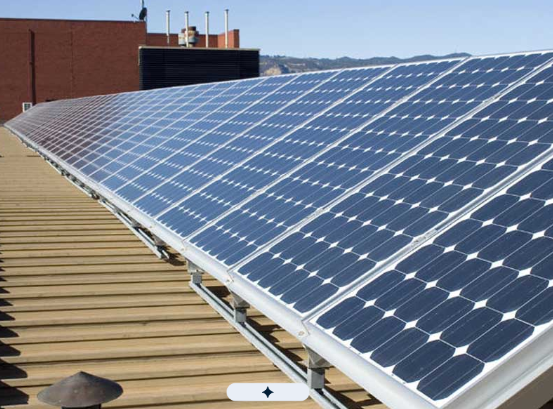
Solar structures need more than panels and mounting hardware; they depend on carefully designed supporting components that keep the system organised, stable, and suited to the installation environment. Aluminium extrusions for solar provide versatile profile shapes that can be adapted for frames, rails, supports, and other structural elements.
Precision matters because each profile needs to connect with surrounding components while fitting the intended design. Accurate dimensions, suitable geometry, and appropriate finishing can make fabrication and installation more practical, particularly where multiple sections need to work together as one mounting structure.
Understanding Precision Profiles in Solar Structures
Aluminium profiles are produced by pushing heated alloy through a die to create a defined cross-sectional shape. This extrusion process allows manufacturers to produce profiles with consistent dimensions and different geometries for particular applications. For solar structures, this flexibility can support the development of rails, frames, supports, and connecting components.
Precision in an extruded profile is important because small dimensional differences can affect alignment and assembly. A well-matched section can provide suitable surfaces for fastening and integration with other components, helping the wider assembly remain aligned during installation.
Structural Advantages of Aluminium Profiles
Aluminium offers characteristics that make it suitable for many structural applications. Its relatively lightweight nature can make handling and installation more convenient, while its strength and corrosion resistance can support demanding outdoor applications. The design of the extrusion itself contributes to its usefulness, especially when the profile must accommodate assembly or support requirements.
The design of the extrusion itself contributes to its usefulness, especially when the profile must accommodate assembly or support requirements. Channels, angles, rectangular sections, and other geometries can provide different connection and support options for varied mounting arrangements. Selecting an appropriate cross-section allows designers to balance available space, assembly requirements, and the role of each component within the structure.
Key Profile Features for Solar Applications
The performance of a solar structure depends on several profile characteristics rather than on material selection alone. When considering aluminium extrusions for solar, designers can assess the following features to determine whether a section is suitable for the intended mounting arrangement.
- Profile Geometry
The cross-sectional shape determines how a profile connects with other components and how it occupies available space. Channels can provide useful fastening surfaces, while rectangular or customised sections may suit specific framing requirements. The geometry should reflect the role the profile needs to perform.
- Dimensional Accuracy
Consistent dimensions help profiles align with brackets, fasteners, rails, and other components. Accurate sections can simplify fabrication and reduce problems during assembly. Dimensional consistency becomes particularly useful when several profiles are incorporated into the same structure.
- Surface Finish
Outdoor structures can be exposed to moisture, sunlight, dust, and changing weather conditions. Surface treatments such as anodising or powder coating can provide additional protection and influence the finished appearance. The appropriate finish depends on the intended environment and project requirements.
- Fabrication Compatibility
Profiles may need to be cut, drilled, punched, bent, or machined before installation. A suitable extrusion should accommodate the required fabrication processes without creating unnecessary complications. Considering these needs early can help the finished components fit the mounting arrangement more effectively.
- Connection Design
The profile should work with the chosen fastening and joining methods. Features such as channels, flat surfaces, or customised sections can help accommodate different connection approaches. Matching the profile to the joining method can improve assembly efficiency and overall system integration.
Design Flexibility Across Solar Structures
Solar mounting projects can have different layouts, dimensions, and installation requirements. A profile that suits one arrangement may not be appropriate for another, which makes design flexibility valuable. Standard sections can meet familiar requirements, while customised extrusions can provide specific shapes or features where an established profile is unsuitable.
Custom extrusion can also help reduce unnecessary adaptations during fabrication. By developing the cross-section around the intended application, designers can incorporate particular dimensions, grooves, connection surfaces, or other features into the profile itself.
Manufacturing and Finishing Considerations
The quality of a solar profile depends on more than extrusion alone. Manufacturing processes such as cutting, milling, drilling, punching, and bending may be required to prepare sections for their final use. These operations can help create components that match the dimensions and connection requirements established during design.
Finishing is another consideration when profiles are intended for outdoor structures. Anodising can create a protective oxide layer, while powder coating can provide a durable finished surface. Choosing the appropriate process should be based on the application’s environmental exposure, appearance requirements, and functional needs.
Practical Checks Before Profile Selection
Before finalising a profile, project teams should review the relationship between the section and the complete mounting system. Considering the following points can help identify suitable options and reduce avoidable changes during fabrication or installation.
- Required profile shape and dimensions
- Panel layout and mounting arrangement
- Fastening and connection requirements
- Fabrication and machining needs
- Surface treatment requirements
- Expected outdoor exposure
A structured review can make the selection process clearer and help ensure that the chosen extrusion fits the intended application without introducing unnecessary fabrication changes.
The most suitable profile is one that works with the entire assembly rather than satisfying only one requirement.
Supporting Efficient Solar System Design
Precision aluminium profiles can contribute to organised solar structures by providing repeatable sections that can be designed around specific assembly requirements. Their combination of profile flexibility, fabrication options, and surface finishing makes them useful for different mounting components and layouts.
The selection process should remain focused on the application, with each profile assessed according to its intended function and overall system components. Rather than choosing a profile solely because it is readily available, designers should consider dimensions, connection points, fabrication requirements, environmental conditions, and the role of the section within the complete structure.
Final Thoughts
Precision profiles can make a meaningful difference to solar mounting structures because they support accurate alignment, practical fabrication, and consistent assembly. The right geometry and dimensions can help individual sections work together, while suitable finishing can address the demands of outdoor use.
For businesses seeking dependable solar extrusion solutions, JM Aluminium provides aluminium extrusion capabilities suited to varied solar applications, supported by machining, anodising, powder coating, and quality control services. Its integrated approach enables suitable profile development and finishing, while experience in extrusion supports project requirements where precision and consistency matter. For those evaluating aluminium extrusion manufacturers for solar, JM Aluminium offers a practical manufacturing partner focused on application-specific profile solutions.

More Stories
What Gives A Gaming Desktop Its Real Resale Value?
The Growing Role of Multi-Asset Platforms in Modern Forex Trading
The Next Hyundai SUV is Arriving: What We Know Before the Big Reveal