

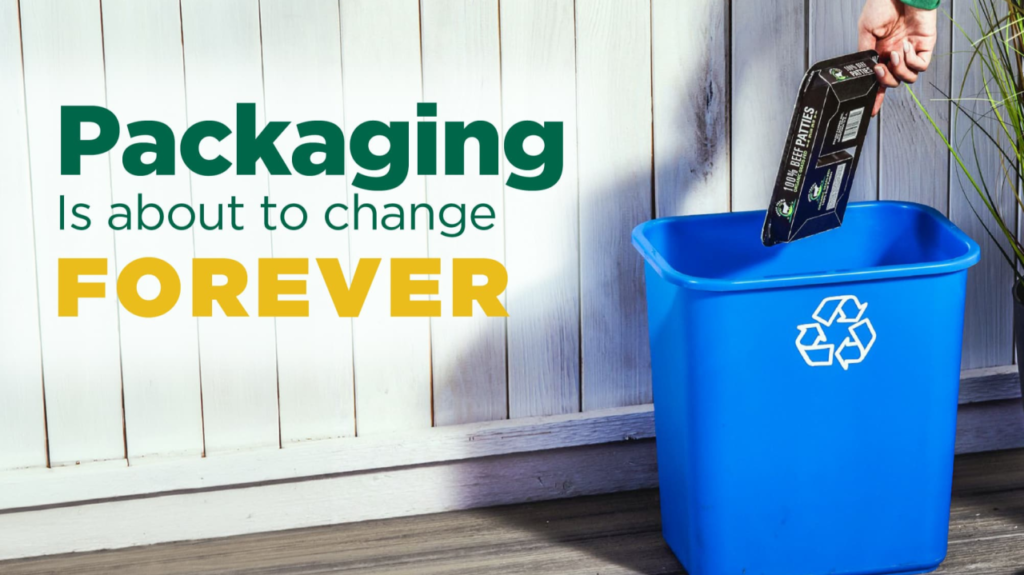
In the next decade or so the EU will be changing the game for recycling. Paperboard is the natural fit for the future of recycling materials. 87% of paperboard is recycled in the EU compared to only 42% of plastic. This significant difference highlights the efficiency and sustainability of paperboard as a packaging material. Paperboard can be recycled up to 10 times, sometimes more, helping to reduce waste and conserve resources, making it an environmentally friendly choice for businesses and consumers alike.
In the early 2010s, concerns rose for single-use plastics as their environmental impact became increasingly evident. Warnings of missed recycled targets and the accumulation of plastic waste in landfills and oceans prompted action. In 2022, the European Commission suggested the Packaging and Packaging Waste Regulation (PPWR), a comprehensive regulation that replaced the Packaging and Packaging Waste Directive (PPWD) from 1994. The PPWR is aimed at preventing and reducing packaging waste, enhancing packaging recyclability and recycling, and ultimately fostering a circular economy. In 2025, the PPWR goes into effect in the EU, marking a significant step towards sustainable packaging practices.
Under the new regulation, packaging must reach a specific grade based on its recyclability. Using the DfR framework, which stands for Design for Recycling, packaging will be graded on a scale. Grade A indicates that 95% of the material is recyclable, grade B represents 80% recyclability, and grade C signifies 70% recyclability. Anything below 70% is technically considered non-recyclable. The DfR rules will be defined through delegation acts by 2028, ensuring that manufacturers and brands have clear guidelines to follow in their packaging designs.
The European Union will be placing higher restrictions on plastic materials in the years to come. By 2030, all packaging on the EU market must meet DfR criteria, pushing companies to innovate and adapt their packaging solutions. Most plastic packaging must meet initial minimum recycled content targets, which will encourage the use of recycled materials in new packaging. Additionally, single-use plastics in the market, such as multipack drinks and fresh fruit product containers, will face restrictions aimed at reducing their prevalence and environmental impact. By 2035, all packaging in the EU must be recycled at scale, significantly contributing to the reduction of waste and the promotion of sustainable practices.
This shift towards more sustainable packaging is not just a regulatory requirement; it is also a response to consumer demand for environmentally friendly products. As awareness of environmental issues grows, consumers are increasingly seeking brands that prioritize sustainability in their packaging choices. Companies that adapt to these changes will not only comply with regulations but also enhance their brand reputation and appeal to a more eco-conscious customer base.
Moreover, the implementation of the PPWR will likely spur innovation in the packaging industry. Businesses will need to invest in research and development to create new materials and designs that meet the stringent recyclability criteria. This could lead to the emergence of new technologies and processes that make packaging more sustainable, further driving the circular economy. The transition may also create new job opportunities in the green sector, as companies seek skilled workers to help them navigate these changes.
In conclusion, the Packaging and Packaging Waste Regulation represents a significant shift in the EU’s approach to waste management and sustainability. By prioritizing recyclability and reducing plastic waste, the EU is setting a precedent for other regions to follow. As we move towards 2025 and beyond, it will be crucial for businesses to stay informed about these regulations and adapt their practices accordingly. The future of packaging lies in sustainability, and those who embrace this change will lead the way in creating a more responsible and environmentally friendly marketplace. Learn more at Graphic Packaging International.



More Stories
Dr. Dain Heer: Why Being You Matters More Than Ever
Concepts to Understand Before Trading Currencies
How Threat Intelligence Can Improve the Way Teams Prioritise Risk