

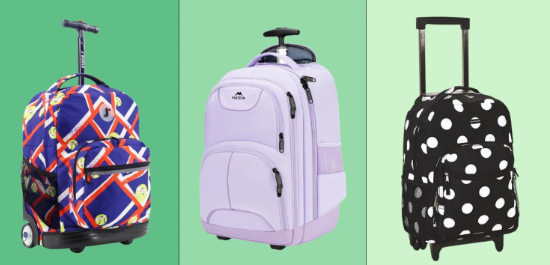
Carrying school supplies every day can place noticeable strain on a child’s shoulders, neck, and back, especially when a bag becomes heavier than recommended. Traditional backpacks distribute weight across both shoulders, while wheeled bags allow much of the load to move across the ground instead. This difference makes school bags with wheels an interesting option for families concerned about posture and comfort. However, wheeled bags are not automatically better in every situation. School layout, walking distance, stairs, bag weight, handle design, and a child’s age all affect which style provides the most practical support.
How Backpacks Affect a Child’s Back
A properly fitted backpack can distribute weight across the upper back when both shoulder straps are used correctly. Problems can develop when a backpack becomes too heavy, hangs too low, or is carried on one shoulder. Excessive weight may encourage a child to lean forward or adjust posture while walking. A poorly fitted school bag can also create pressure around the shoulders and upper back. Proper sizing, lightweight materials, padded straps, and sensible packing can reduce unnecessary strain and make a traditional backpack more comfortable for daily school use.
How Wheeled School Bags Work
Wheeled bags transfer much of the load from the child’s body to the wheels and ground. A telescopic handle allows the bag to be pulled behind or beside the child, reducing direct pressure on the shoulders. This feature can be particularly useful when books, notebooks, lunch items, and other school supplies create a heavier load. School bags with wheels can therefore offer a useful alternative for children who regularly carry substantial school materials. A stable wheel system and smooth-rolling construction are important because poor-quality wheels can make pulling difficult and may encourage awkward body movements.
Are School Bags With Wheels Better for the Back?
From a load-distribution perspective, wheeled bags can reduce the amount of weight placed directly on the back and shoulders. This advantage can make a meaningful difference when a school bag becomes heavy. However, pulling a wheeled bag also involves repetitive arm movement and slight changes in walking posture. A long route over uneven surfaces may make pulling tiring, while stairs can create another challenge. For this reason, a wheeled bag cannot be considered universally superior. The best option depends on the school environment, daily travel requirements, bag weight, and the child’s ability to handle the bag comfortably.
When Wheeled Bags Can Be a Good Option
Wheeled bags may work especially well for children who regularly carry several books or supplies and have a school route with smooth floors, ramps, or relatively flat outdoor surfaces. A wheeled design can also be helpful when a child experiences discomfort from carrying a heavy load on the shoulders. Schools with elevators or accessible walkways can make rolling a bag considerably easier. Compact designs with strong wheels, comfortable handles, and balanced construction can provide greater convenience without requiring the full weight to rest on the back.
When a Backpack May Be More Practical
Backpacks can remain the better choice when a school involves frequent stair use, long walking distances over rough ground, or crowded hallways where pulling a wheeled bag becomes difficult. A lightweight backpack with two padded shoulder straps can provide good weight distribution when packed sensibly. Backpacks also leave both hands free, which can be useful while walking between classrooms or participating in school activities. For active children who move frequently throughout the school day, a well-fitted backpack may provide greater freedom and easier movement than a rolling design.
Weight Matters More Than the Bag Style
The total weight of a school bag is one of the most important considerations, regardless of design. Carrying unnecessary books, toys, water bottles, or other items can increase physical strain. A regular check of the bag contents can help remove items that are not required for the school day. Frequently used materials can be kept organized in accessible compartments, while heavier items can remain positioned close to the bag’s main support area. Reducing unnecessary weight can improve comfort whether a backpack is carried on the shoulders or a wheeled bag is pulled along the ground.
Features to Look for in School Bags With Wheels
A good wheeled school bag should combine stability, manageable weight, smooth wheels, and a handle that extends to a comfortable height. A sturdy base can help prevent the bag from tipping when standing upright. Smooth-rolling wheels can reduce the effort needed during daily travel, while a padded or comfortable handle can make pulling easier. Compartments should provide enough organization without adding excessive bulk. Water-resistant material can also protect books and school supplies from light rain or accidental spills. A lightweight frame is valuable because the bag itself contributes to the overall load.
How to Use a Wheeled Bag Correctly
Pulling technique can influence comfort almost as much as bag design. The handle should extend enough to prevent excessive bending while walking. The bag should remain reasonably close to the body rather than being dragged far behind. On uneven ground, slower movement can improve control and reduce sudden pulling forces. A wheeled bag should be lifted rather than dragged up stairs when necessary, although the total weight should remain manageable. Regularly checking wheels, handle movement, zippers, and seams can also prevent small mechanical problems from making the bag harder to use.
How to Use a Backpack Safely
A backpack should sit comfortably against the upper and middle back rather than hanging far below the waist. Both shoulder straps should be used to distribute weight more evenly. Padded, adjustable straps can improve comfort, while a chest or waist strap may provide additional stability on suitable designs. Heavy books are best positioned close to the back, with lighter items placed farther away. Regularly removing unnecessary materials can keep the load manageable. A backpack that causes persistent discomfort, numbness, or unusual posture should be replaced or professionally assessed for fit.
School Environment Should Guide the Decision
The physical environment often determines whether a wheeled bag or backpack is more practical. A school with elevators, ramps, smooth corridors, and short outdoor distances may suit a rolling design. A school with several staircases, gravel paths, crowded corridors, or frequent outdoor activities may make a backpack easier to manage. Travel arrangements also matter. A child walking several blocks may have different needs from a child traveling by car or school bus. Considering the complete daily routine provides a more useful answer than comparing bag styles based only on appearance.
Comfort, Fit, and Independence Matter
A school bag should allow comfortable movement while remaining easy to handle without constant assistance. A child who struggles to lift or pull a bag may benefit from a lighter design, regardless of the style. Size should also match the child’s body rather than simply providing maximum storage space. Oversized bags can encourage unnecessary packing and may become difficult to control. A practical school bag supports organization, movement, and independence while minimizing avoidable physical strain.
Making the Right Choice for Daily School Use
Neither backpacks nor wheeled bags are perfect for every child or every school setting. A properly fitted backpack can work well when the load is reasonable and the bag is worn correctly, while school bags with wheels can reduce direct pressure on the shoulders when heavier supplies need to be transported. The most suitable choice depends on weight, distance, terrain, stairs, school policies, and personal comfort. Checking these factors before purchasing a school bag can help create a safer and more convenient daily routine.
Why Bachaa Party Is a Practical Choice for School Essentials
Bachaa Party provides a convenient destination for families looking for practical children’s products, including school essentials designed around everyday needs. A useful school bag should balance comfort, durability, organization, and age-appropriate design rather than focusing only on appearance. Bachaa Party offers access to a broad range of children’s products, making it easier to consider different options for school routines and daily activities. For families comparing backpacks and wheeled designs, browsing suitable school bags through Bachaa Party can support a more informed purchasing decision based on comfort, functionality, and the child’s specific school environment.



More Stories
Southern Odisha’s Service Contract – What TPSODL Owes Its Paying Consumers
Is Hero Passion Pro Still a Smart Bike for Daily Commute
Statement Styles for Every Occasion: A Guide to Contemporary Women’s Fashion