

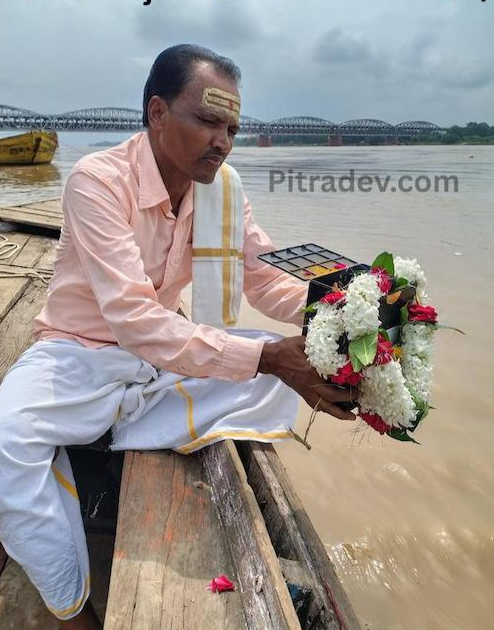
For countless generations, families have travelled to Varanasi to perform sacred rituals that honor their ancestors and strengthen their spiritual connection. These ceremonies are not merely traditional customs but meaningful acts of remembrance, gratitude, and faith. Today, even as lifestyles change, the desire to preserve these rituals remains strong. Whether people travel personally or seek guided assistance, understanding the process helps make every ceremony more meaningful. Learning about the asthi visarjan ghat in Varanasi allows families to prepare with greater confidence while respecting the traditions associated with this holy city.
The Timeless Importance of Varanasi
Varanasi is regarded as one of the world’s oldest continuously inhabited cities and holds exceptional significance in Hindu culture. Situated on the banks of the sacred River Ganga, the city has been a center of spiritual learning, devotion, and pilgrimage for centuries.
People from different parts of India and abroad visit Varanasi to participate in rituals believed to bring peace to departed souls and spiritual comfort to their families. The city’s atmosphere, ancient temples, and sacred river together create a deeply devotional environment that supports these important ceremonies.
Purpose of Asthi Visarjan
Asthi Visarjan refers to the immersion of the ashes of a departed person into a sacred river after cremation. The ritual symbolizes the return of the physical body to nature while expressing prayers for the peaceful journey of the soul.
Families perform this ceremony with respect, believing that it represents an important stage in the spiritual journey of their loved one. Every step is guided by traditional practices that have been followed for generations. Proper preparation and experienced guidance help ensure that the ritual is performed with sincerity and according to religious customs.
Sacred Locations Along The River
The banks of the River Ganga include several ghats that hold historical and religious importance. Different ceremonies take place at these locations throughout the year, attracting pilgrims from across the country.
When selecting an asthi visarjan ghat in Varanasi, families often consider factors such as accessibility, priest guidance, and traditional significance. Experienced priests help devotees understand the appropriate rituals while ensuring that every step follows established customs. The peaceful surroundings of these sacred ghats also provide an atmosphere of prayer and reflection during emotional moments.
Preparing For The Ceremony
Preparation contributes significantly to a smooth and respectful ritual experience. Families generally gather essential documents if required, arrange ritual materials, coordinate with priests, and confirm suitable dates according to religious guidance.
Many people also choose to learn about local customs before arriving in the city. Understanding the sequence of ceremonies reduces uncertainty and allows family members to participate with greater confidence. Proper planning ensures that attention remains focused on prayer rather than logistical concerns.
Knowing The Ritual Sequence
Every religious ceremony follows a meaningful sequence developed through centuries of tradition. During ancestral rituals, priests recite sacred mantras, guide family members through symbolic offerings, and explain the significance of each step.
The pind daan process in Varanasi is one such important ceremony performed to express gratitude and prayers for departed ancestors. Offerings prepared according to tradition symbolize respect and remembrance. Priests guide families carefully so that each stage of the ritual is completed with understanding rather than confusion.
The ceremony also encourages family participation, strengthening emotional bonds while preserving cultural heritage for future generations.
Modern Support For Traditional Ceremonies
Technology has introduced greater convenience without reducing the spiritual essence of religious practices. Many families now use digital platforms to understand available services, schedule priests, and receive guidance before travelling.
Online assistance helps devotees prepare more effectively by providing information about required rituals, suitable timings, and available arrangements. This organized approach reduces stress while allowing families to focus on the emotional and spiritual purpose of the ceremony.
The balance between traditional knowledge and modern accessibility has made it easier for people living far from pilgrimage cities to continue their religious responsibilities.
Planning Expenses With Confidence
Financial planning is an important part of arranging any religious ceremony. Families often prefer understanding service details in advance so they can make informed decisions without unnecessary pressure during emotionally sensitive times.
Learning about the asthi visarjan online cost in Varanasi before making arrangements helps devotees understand available service options and prepare accordingly. Transparent planning allows families to concentrate on the spiritual significance of the ceremony rather than unexpected logistical concerns.
Carefully reviewing available arrangements also helps ensure that the selected services match individual preferences and ritual requirements.
Respecting Traditions Across Generations
Younger generations often wish to continue ancestral traditions but may not possess detailed knowledge about ritual practices. Experienced priests play an important educational role by explaining the meaning behind every ceremony.
When families participate together, children and younger relatives observe traditions firsthand, helping preserve cultural values for the future. These experiences create lasting memories while encouraging respect for family heritage.
The continuity of such customs depends not only on performing rituals but also on understanding their deeper spiritual purpose.
Creating A Peaceful Spiritual Experience
Religious ceremonies become more meaningful when they are performed with calmness and proper guidance. Instead of rushing through the process, families benefit from taking time to understand prayers, symbolic offerings, and traditional practices.
Experienced priests help create an atmosphere where every participant feels connected to the ceremony. Their guidance reduces uncertainty and allows family members to participate with devotion and confidence.
A peaceful environment encourages reflection, remembrance, and gratitude, making the ritual spiritually fulfilling for everyone involved.
Conclusion
Sacred rituals performed in Varanasi continue to inspire faith, remembrance, and family unity across generations. By understanding the purpose behind each ceremony and preparing thoughtfully, families can participate with greater confidence and peace of mind. Choosing the right guidance and making informed arrangements allows devotees to focus on the spiritual significance of every ritual. Understanding the pind daan process in Varanasi further helps families perform ancestral ceremonies with respect and according to traditional customs. With proper planning and experienced support, these sacred practices continue to preserve cultural heritage while offering comfort and devotion to future generations. Pitradev helps devotees connect with trusted priest services, making these important religious ceremonies easier to arrange with care and authenticity.




More Stories
Southern Odisha’s Service Contract – What TPSODL Owes Its Paying Consumers
Is Hero Passion Pro Still a Smart Bike for Daily Commute
Statement Styles for Every Occasion: A Guide to Contemporary Women’s Fashion