

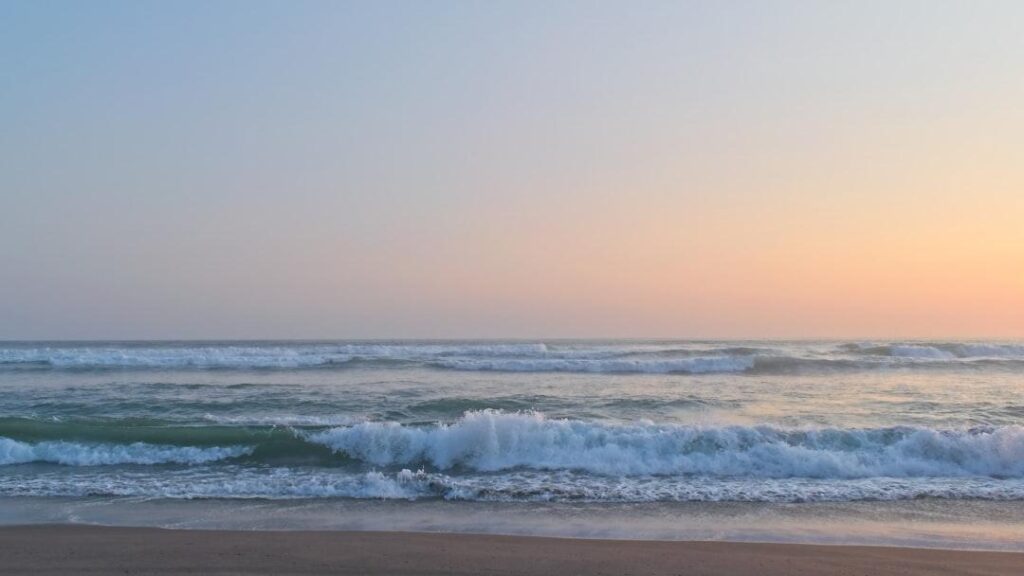
If Pipeline is the North Shore’s most photographed wave, Sunset Beach is widely considered its most technically demanding. Unlike the singular, defined peak at Pipeline, Sunset is a shifting, powerful wave that has humbled some of the most accomplished surfers in the world specifically because of how much it demands genuine wave-reading skill rather than raw commitment alone.
The break earned a reputation decades ago as the ultimate proving ground for well-rounded surfing ability, and that reputation persists today among North Shore locals who still consider a good Sunset session harder to earn than a good Pipeline barrel.
Understanding why Sunset demands this particular kind of skill, distinct from the pure commitment Pipeline requires, helps explain its lasting place in Hawaiian surf culture.
Why Sunset Is So Notoriously Difficult to Read
Sunset’s wave shifts constantly across a wide reef area, with peaks appearing and disappearing depending on swell direction, size, and tide in ways that make positioning far more difficult than at a fixed, predictable peak.
- The peak shifts location noticeably with even small changes in swell direction
- Strong, unpredictable currents, known locally as the Sunset rip, complicate positioning constantly
- Multiple sections can connect or stay separate depending on the specific swell that day
- Reading which peak will actually produce the best wave requires real local knowledge and experience
This complexity is exactly why Sunset built its reputation as a test of complete surfing ability, since success here depends on genuine wave judgment rather than simply committing hard to a known, fixed takeoff spot.
A Wave Built for Powerful, Physical Surfing
Size and Power Over Technical Barrels
Where Pipeline rewards precise barrel riding, Sunset rewards powerful carving and the ability to generate speed across a long, open wave face, a different and in some ways more physically demanding style of surfing.
The Backdoor Sunset Alternative
On the right swell, Sunset can also produce a shorter, punchier inside section sometimes called Backdoor Sunset, offering a different wave character within the same broader break area.
The Historic Contests Held Here
Sunset has hosted some of the most storied events in competitive surfing history, and its reputation as a fair test of complete surfing ability, rather than a wave that favors one specific style, is part of why it held that competitive prestige for so long.
Even as contest locations have shifted over the decades, Sunset’s standing among North Shore locals as the wave that separates genuinely well-rounded surfers from specialists has never really faded.
Conditions That Bring Out the Best of Sunset
Sunset needs a fairly specific combination of swell size and direction to show its best face, and getting this wrong means either a mushy, disorganized mess or an overwhelming, unmanageable wall of whitewater.
- Northwest swells in the moderate to large range tend to produce Sunset’s most rideable shape
- Light morning winds help hold the wave’s face together before afternoon trades pick up
- Mid to high tide generally softens the wave slightly, which many surfers actually prefer here
- Winter swell season, similar to the rest of the North Shore, is when Sunset performs most consistently
Given how much the wave’s character depends on getting these specific conditions right, checking a current Sunset Beach surf forecast before heading out is the only way to know whether that day’s swell will actually suit the break’s demanding, shifting nature.
How Sunset Compares to Its North Shore Neighbors
Within the dense stretch of world-class North Shore breaks, Sunset occupies a specific niche distinct from both Pipeline’s singular barrel and Waimea’s pure big-wave scale, offering instead a broader, more varied test of overall surfing ability.
- Pipeline rewards precise barrel riding at a fixed, known peak
- Waimea rewards raw commitment and big-wave paddling ability at genuine scale
- Sunset rewards positioning, wave judgment, and powerful, adaptable surfing across a shifting wave
- Many North Shore regulars consider genuine mastery of all three the true mark of a complete surfer
This distinction is well understood among North Shore locals and helps explain why different surfers develop different reputations depending on which of these demanding breaks they have genuinely mastered.
Approaching Sunset as a Visiting Surfer
Sunset’s strong currents and shifting peaks make it a genuinely challenging break even for visiting surfers with solid ability elsewhere, and the learning curve here rewards patience and observation before paddling into the most active peak.
Spending time watching from the beach first, understanding where that day’s specific peak is forming, pays off considerably more at Sunset than it would at a more predictable, fixed break.
This patience-first approach, watching before paddling out, is genuinely good advice at nearly any unfamiliar break, but it matters especially here given how much Sunset’s character shifts from one swell to the next.
Surfers who take the time to understand the day’s specific conditions before committing to a peak tend to have far better sessions than those who paddle out immediately without reading the wave first.




More Stories
5 Key Benefits of Managed IT Security for Growing Businesses
Realme 14 Pro Plus 5G vs Realme 14 Pro 5G Which Pro Series Model Delivers More
What Is a Credit Card and How Can It Add Value During Festivals?