

Commercial transportation companies in the United States operate in an environment where safety, compliance, and operational efficiency directly affect profitability. One of the most important tools used to support those goals is the Driver Vehicle Inspection Report, commonly referred to as a DVIR. This report is a formal record completed by drivers to identify and document vehicle defects, maintenance concerns, or safety issues discovered during inspections. Although the process may seem routine, it plays a major role in protecting businesses from accidents, fines, downtime, and liability exposure.
Transportation companies depend on vehicles to keep supply chains moving, serve customers, and maintain delivery schedules. Whether the business operates long-haul tractor trailers, regional box trucks, construction vehicles, or local service fleets, every vehicle must remain in safe working condition. Federal and state transportation agencies require regular inspections because mechanical failures can create serious safety risks on public roads. A Driver Vehicle Inspection Report helps ensure that problems are identified early before they become more expensive or dangerous.
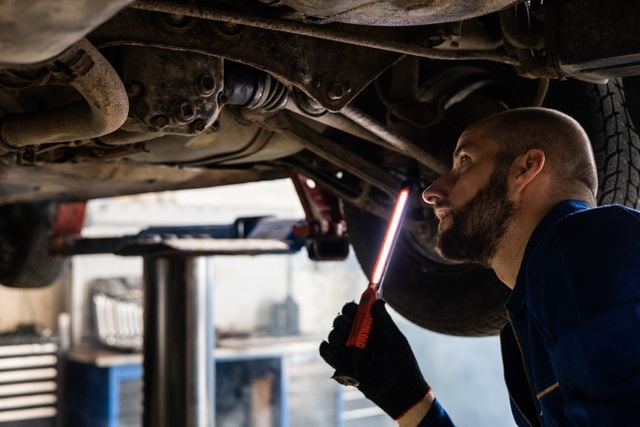
Driver Vehicle Inspection Report procedures generally include both pre-trip and post-trip inspections. Before beginning a route, drivers check critical vehicle components such as brakes, tires, lights, mirrors, steering systems, windshield wipers, fluid levels, and safety equipment. After completing the route, drivers inspect the vehicle again and document any issues that developed during operation. If defects are found, maintenance personnel can address the repairs before the vehicle returns to service. This system creates accountability while reducing the chance that unsafe vehicles remain on the road.
For American businesses, the financial importance of DVIR compliance cannot be overstated. Vehicle breakdowns create expensive delays that disrupt customer relationships and operational planning. A truck that unexpectedly fails on the highway can lead to missed delivery windows, spoiled cargo, overtime expenses, towing costs, and emergency repairs. Preventive inspections help reduce these disruptions by identifying maintenance concerns before they escalate into catastrophic failures. Businesses that consistently enforce inspection programs often experience lower maintenance costs over time because smaller problems are fixed before major components fail.
Insurance considerations also make DVIR programs valuable. Commercial vehicle accidents can expose businesses to lawsuits, regulatory investigations, and significant insurance claims. When an accident occurs, investigators often review maintenance records and inspection documentation to determine whether the company followed proper safety procedures. A well-maintained DVIR system demonstrates that the company took reasonable steps to ensure vehicle safety. This documentation may help reduce liability exposure and support stronger insurance relationships.
Regulatory compliance is another major reason American businesses prioritize Driver Vehicle Inspection Reports. The Federal Motor Carrier Safety Administration requires many commercial drivers and carriers to maintain inspection records under federal safety regulations. Failure to comply can result in penalties, failed audits, vehicle out-of-service orders, or damage to a company’s safety rating. A poor safety score can affect a company’s ability to win contracts, maintain customers, and secure favorable insurance rates. For businesses that depend heavily on transportation operations, compliance directly impacts competitiveness.




More Stories
The STEM or liberal arts choice describes a labour market that no longer exists
Hyundai CRETA and Its Continued Presence in the Mid-Size SUV Segment
Why the Honda Unicorn Is Trending in 2026