

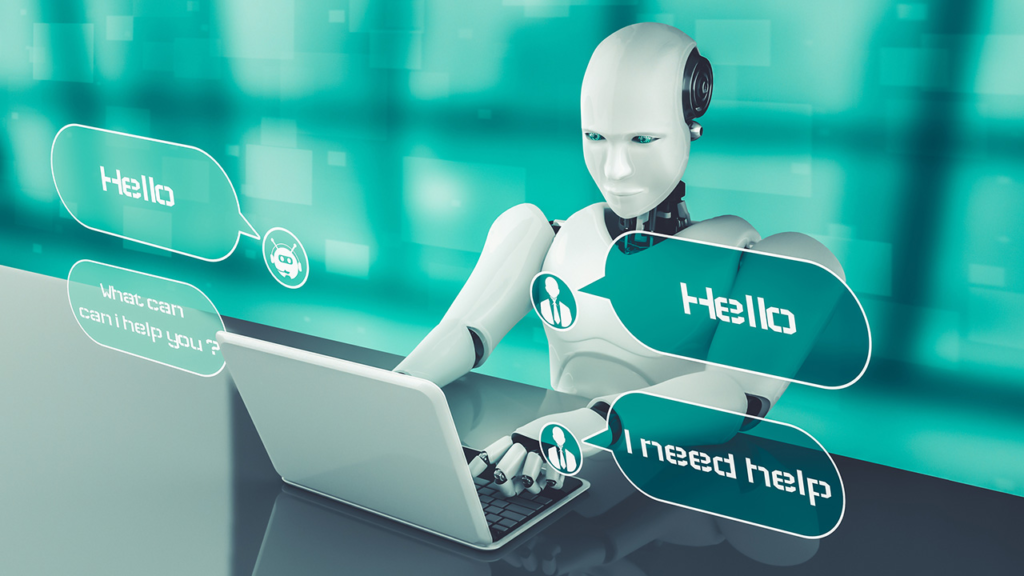
In the fast-paced world of design, staying competitive requires embracing the latest technology. 3D modeling has transformed how architects, engineers, and product designers visualize ideas, but managing complex projects often consumes significant time and effort. Tasks such as adjusting geometries, applying textures, and organizing assets can slow down the creative process, leaving little room for innovation. This is where an AI chat bot becomes a game-changer. By offering instant guidance, automating repetitive tasks, and assisting with troubleshooting, AI chat bots allow designers to focus on creativity rather than manual work. Integrated into 3D software, these intelligent assistants can answer technical questions, suggest design improvements, and streamline workflows. The combination of 3D modeling and AI chat bots is reshaping the design landscape, helping teams reduce errors, accelerate project timelines, and elevate overall quality. This synergy represents the future of design productivity.
The Evolution of 3D Modeling (≈250 words)
3D modeling has come a long way since the early days of manual sketches and physical prototypes. Initially, designers relied on pen and paper, clay models, and other tangible materials to communicate ideas. The introduction of computer-aided design (CAD) software in the 1980s revolutionized the field, enabling precise digital representations of objects, buildings, and mechanical parts. Today, advanced 3D modeling tools like Autodesk Maya, Blender, and SolidWorks allow designers to create highly complex models with intricate details, realistic textures, and lifelike lighting effects.
Despite these advancements, modern 3D modeling presents new challenges. Complex projects often involve multiple layers, numerous assets, and demanding rendering requirements. Designers must spend significant time on repetitive adjustments, checking for errors, and ensuring compatibility with other software tools. Collaboration across teams adds another layer of complexity, as files need to be shared, reviewed, and revised in real-time.
Traditional workflows, though powerful, can be slow and prone to human error. This is where AI chat bots offer significant value. By integrating intelligent assistance directly into the design environment, designers gain a virtual helper capable of providing guidance, answering questions, and performing routine tasks. This evolution marks a shift from purely manual or software-driven workflows toward an interactive, AI-assisted design process that improves both efficiency and creativity.
What is an AI Chat Bot and How It Helps Designers (≈250 words)
An AI chat bot is a software program powered by artificial intelligence that can interact with users in natural language. Unlike simple scripted bots, modern AI chat bots understand context, interpret complex queries, and provide actionable solutions. In the context of 3D modeling, these bots are integrated with design software to assist designers at every stage of the project.
For instance, a designer might ask the AI chat bot, “How can I optimize this 3D model for rendering?” The bot can suggest best practices, recommend specific settings, or even automate the necessary adjustments. Other tasks, such as organizing assets, applying textures, or checking for structural errors, can also be managed by the AI, reducing the manual workload.
AI chat bots can act as instant reference guides, offering tutorials or tips directly within the 3D modeling software. They can also track workflow history, suggest shortcuts, and provide predictive insights to speed up the design process. Unlike traditional help menus, these bots respond intelligently and adapt to the user’s skill level, making them invaluable for both beginners and experienced designers.
By combining natural language understanding with 3D modeling capabilities, AI chat bots transform the way designers interact with software. The result is a smoother, faster, and more accurate design workflow, allowing teams to spend more time innovating and less time troubleshooting.
Key Benefits of Using AI Chat Bots in 3D Modeling
The integration of an AI chat bot into 3D modeling workflows brings multiple benefits, both for individual designers and collaborative teams.
1. Time-Saving on Repetitive Tasks: Repetitive adjustments, such as resizing objects, applying textures, or correcting geometry, can consume hours of a designer’s schedule. AI chat bots can automate these tasks with simple commands, freeing up valuable time for creative work.
2. Real-Time Problem-Solving: Mistakes in 3D modeling can be costly, especially when they are discovered late in the project. AI chat bots provide immediate guidance, helping designers resolve errors as they occur. For example, the bot can detect overlapping meshes or non-manifold geometry and suggest corrections instantly.
3. Error Reduction and Quality Improvement: By continuously monitoring the project, AI chat bots help reduce human error. They provide real-time validation, flag inconsistencies, and maintain a high standard of model quality. This is especially critical for industries like architecture or product design, where precision is essential.
4. Workflow Automation and Collaboration: AI chat bots can facilitate communication between team members by tracking changes, organizing assets, and managing version control. This ensures that all team members are on the same page, reduces duplication of effort, and improves collaboration efficiency.
5. Enhanced Learning and Skill Development: For newer designers, AI chat bots act as mentors, providing tips, tutorials, and shortcuts. They can accelerate the learning curve and make complex 3D modeling concepts more accessible.
Overall, incorporating an AI chat bot into 3D modeling processes allows designers to focus on innovation and creative decision-making rather than repetitive or technical tasks. It not only speeds up project delivery but also ensures higher-quality output, making it a critical tool in modern design environments.
Practical Use Cases of AI Chat Bots in 3D Modeling
Architecture: Architects often create intricate 3D models of buildings that require precise measurements, structural analysis, and material optimization. An AI chat bot can guide architects through these steps, suggest energy-efficient designs, and help with visualization techniques.
Product Design: Product designers use 3D modeling for prototyping. AI chat bots can automate repetitive tasks like resizing components, applying textures, and testing designs for manufacturability. Designers can interact with the bot to instantly simulate variations, reducing time and cost in the prototyping phase.
Animation and Gaming: In animation studios and gaming development, managing thousands of 3D assets can be overwhelming. AI chat bots assist by tagging assets, organizing scenes, and even suggesting improvements in lighting and animation sequences.
Freelancers and Agencies: Designers managing multiple clients benefit from AI chat bots that collect client feedback, track revisions, and maintain consistent communication. The AI can summarize client requests, suggest model updates, and streamline approvals.
E-Commerce and Marketing: Companies creating 3D product models for online catalogs can use AI chat bots to automate rendering settings, optimize visuals for web use, and maintain uniformity across product lines.
These real-world applications demonstrate that AI chat bots are not just a convenience—they are a transformative tool for efficiency, quality, and creativity in 3D modeling.
AI Chat Bots and Creative Decision-Making
While AI chat bots automate tasks, they also enhance creative decision-making. Designers can experiment with new materials, lighting setups, and textures based on AI suggestions. For instance, a chat bot can propose realistic material combinations or simulate lighting effects before finalizing a design.
AI chat bots do not replace human creativity; instead, they act as collaborative partners. They help designers make informed choices by analyzing large datasets, predicting potential issues, and offering actionable insights. This synergy allows designers to focus on artistic vision while the AI handles technical precision, ultimately leading to higher-quality, innovative designs.
Future Trends: AI and 3D Modeling
The future of 3D modeling is closely tied to advancements in AI. Generative AI is emerging as a tool that can automatically create 3D models from simple sketches or text descriptions. AI chat bots integrated with generative tools will allow designers to produce complex models in a fraction of the time.
Predictive AI chat bots will anticipate the next steps in a project, offer design suggestions, and even detect potential errors before they occur. Integration with AR/VR platforms will enable designers to visualize models in immersive environments, with AI chat bots guiding interactions and modifications in real-time.
In the coming years, AI chat bots will not only assist with technical workflows but also act as intelligent collaborators, helping designers explore creative possibilities and optimize performance in 3D modeling projects across industries.
Challenges and Limitations
Despite their advantages, AI chat bots have limitations. They rely on accurately trained models and may misinterpret complex design contexts. Over-reliance on AI could reduce human skill development if designers delegate too many decisions. Additionally, integrating AI chat bots with existing software requires technical expertise and careful workflow planning. Human oversight remains essential to ensure that designs meet both creative and functional requirements.
Conclusion
The combination of 3D modeling and AI chat bots is reshaping the design industry. AI chat bots streamline repetitive tasks, enhance creative decision-making, and improve collaboration, allowing designers to focus on innovation. From architecture to product design and animation, these tools save time, reduce errors, and elevate the quality of output.
As AI continues to advance, designers will enjoy even greater assistance in visualizing ideas, automating workflows, and exploring creative possibilities. Embracing this synergy is no longer optional—it is essential for staying competitive in today’s fast-evolving design landscape. Companies and freelancers who integrate AI chat bots into 3D modeling workflows can achieve higher efficiency, better collaboration, and more innovative designs, positioning themselves for success in the era of AI-driven creativity.



More Stories
Google’s 2.5 billion-user AI Overviews push SEO toward visibility, not just rankings
What the Best Looking Guy in Miami Teaches About Standing Out in a Crowded World
Huawei Pura 90 vs HMD Fusion 2: Upcoming Mid-Range Smartphones Compared