

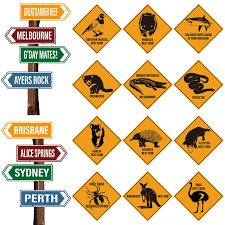
Choosing the right barricade is important for maintaining safety in workplaces, construction zones, and public areas. Different sites face different risks, so businesses should select barricades based on traffic flow, visibility needs, and working conditions. A suitable barricade helps prevent accidents, improves movement control, and creates safer working environments for both workers and visitors.
Identify Your Site Requirements
Every site has different safety demands, so businesses should first assess how the barricade will be used. Construction sites often need strong barriers for vehicle control, while warehouses may require lightweight options for indoor areas.
Temporary worksites usually benefit from portable barricades that workers can move easily during daily operations. Long-term projects may require stronger barriers that can handle constant exposure and heavy usage. Understanding site conditions helps businesses select products that support both safety and efficiency.
Select the Right Barricade Material
Barricade materials affect durability, portability, and overall performance. Common options used across different industries are:
- Plastic Barricades: Suitable for temporary zones because they are lightweight, easy to transport, and simple to install.
- Metal Barricades: Better for heavy-duty environments where sites experience high traffic or continuous outdoor exposure.
- Weather-Resistant Options: Useful for outdoor areas that face rain, heat, or strong winds during daily operations.
The right material improves product lifespan and reduces replacement costs over time.
Consider Visibility and Safety Features
Visibility plays a major role in workplace and public safety, especially in areas with moving vehicles or limited lighting. Important features businesses should consider are:
- Reflective Panels: Improve visibility during night work and low-light conditions.
- Bright Colours: Help workers and pedestrians quickly identify restricted zones.
- Stable Bases: Reduce movement and help barricades remain secure in busy areas.
- Warning Sign Compatibility: Allows businesses to attach safety instructions or hazard notices when required.
These features help create a clearer separation between safe and restricted areas while improving site awareness.
Choose the Correct Size and Design
Barricade size and design should match the site layout and traffic flow. Some locations require wider barriers for roadworks, while smaller indoor areas may need compact options.
Businesses often choose designs such as:
- Expandable Barricades: Useful for flexible coverage because workers can adjust them when site layouts change.
- Portable Designs: Suitable for temporary projects that require quick setup and removal.
- Fixed Barriers: Better for long-term restricted zones that need constant protection.
Selecting the right design helps improve storage, transport, and daily site operations.
Buy From a Reliable Safety Equipment Supplier
Working with a trusted supplier helps businesses access quality products that meet workplace safety standards. Reliable suppliers usually provide related safety products such as:
- Traffic Control Equipment: Supports safer movement for vehicles and pedestrians.
- Reflective Warning Products: Improves visibility around active worksites.
- Road Safety Solutions: Includes products linked to road signage in Australia for traffic management areas.
A dependable supplier can also help businesses choose products suitable for their site conditions and safety needs.
Conclusion
Selecting the right safety barricade depends on site conditions, visibility requirements, traffic movement, and product durability. Businesses that choose suitable barricades improve workplace safety, reduce risks, and maintain better control around restricted areas. Careful product selection also supports smoother daily operations and long-term site safety.



More Stories
Dr. Dain Heer: Why Being You Matters More Than Ever
Concepts to Understand Before Trading Currencies
How Threat Intelligence Can Improve the Way Teams Prioritise Risk