

Choosing your first investment platform is one of the most important decisions you will make as a new investor. The platform you pick determines which instruments you can access, how much you pay in charges, how safe your money is, and how smooth your overall experience will be. With so many options available in India, the decision can feel overwhelming.
The good news is that most reputable platforms are regulated by SEBI and offer broadly similar capabilities. The differences come down to user experience, pricing, research quality, and the specific features that matter to you as a beginner. Getting this decision right from the start saves you the hassle of migrating platforms later.
This guide walks you through every important factor to consider when evaluating an investment platform, so you can make an informed first choice rather than a default one based on the most-advertised app you saw on social media.
Know What You Want to Do Before Picking a Platform
The right platform depends entirely on what you plan to invest in. Someone who wants to start a monthly SIP in mutual funds has very different needs from someone who wants to trade intraday or invest in IPOs. Clarity on your investment intent makes platform selection much simpler.
- If you want to invest in mutual funds only, a direct mutual fund platform with no account maintenance charges is often the best fit.
- If you want to invest in stocks and mutual funds, a full-service broker with demat account and trading capabilities makes more sense.
- If you are interested in options, futures, or currency derivatives, you need a broker with robust margin management and options analytics.
- If you want everything in one place — stocks, mutual funds, IPOs, bonds — look for integrated platforms that cover all asset classes.
Brokerage Charges and Hidden Costs
India’s investing landscape has seen a dramatic reduction in brokerage costs over the last decade, driven largely by the rise of discount brokers. Today, many platforms offer zero-commission mutual fund investing and flat-fee equity trading at Rs. 20 per order regardless of trade size.
However, look beyond the headline brokerage number. Account maintenance charges, DP charges (for every sell transaction from demat), platform fees, delayed payment charges, and CDSL/NSDL fees can add up. Calculate your total annual cost based on your expected trading frequency before committing to a platform.
Research Tools and Market Data
A beginner who does not have access to good research data ends up relying on tips, headlines, and gut feeling — none of which make for sound investment decisions. Platforms that provide in-depth stock screeners, sector analysis, mutual fund ratings, and company financial summaries give their users a genuine edge.
Look for platforms that integrate data from BSE/NSE directly, provide earnings calendars, dividend announcements, and rights issue information, and offer peer comparison for stocks and funds. These features make the difference between informed investing and guesswork.
How to Evaluate the Best Trading App
When evaluating the best trading app for your needs, look beyond star ratings in the app store. Test the app’s speed during market opening hours when server load is highest. Check how quickly customer support responds to basic queries. Read recent user reviews specifically about fund transfer speed, withdrawal timelines, and complaint resolution. An app that is smooth during off-peak hours but crashes during high-volatility market opens is not reliable enough for real money.
Understanding Futures and Options Before You Trade Them
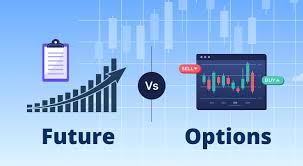
Many beginners get attracted to the leverage available in derivatives and jump into futures and options without understanding the mechanics. futures and options trading involves financial contracts that derive their value from an underlying asset — typically stocks or indices. Futures obligate you to buy or sell at a future date, while options give you the right but not the obligation. Both instruments carry significantly higher risk than equity investing and can result in losses exceeding your initial capital if not managed carefully.
Before trading derivatives on any platform, ensure you have completed the mandatory risk disclosure process, understand margins and mark-to-market settlements, and have a clear risk management strategy. Platforms that offer simulated derivatives trading environments can be valuable for building confidence before real-money trades.
Support, Reliability, and Trust
Customer support quality becomes apparent only when things go wrong. A missed SIP deduction, a stuck transaction, an account login issue — these are moments when you discover whether your platform actually cares about its users. Look for platforms with multi-channel support, preferably through in-app chat, email, and phone.
Trust is built through transparency. Platforms that clearly communicate their regulatory status, charge structure, data privacy policies, and fund custody arrangement deserve more trust than those that obscure this information in fine print.
Choosing the right market platform is a one-time decision that will shape your investing journey for years. Take the time to evaluate options methodically, start with a platform that fits your current needs, and remember that you can always upgrade as your investment sophistication grows.




More Stories
The EU Makes Design Changes for the Future of Recycling.
Dr. Dain Heer: Why Being You Matters More Than Ever
Concepts to Understand Before Trading Currencies