

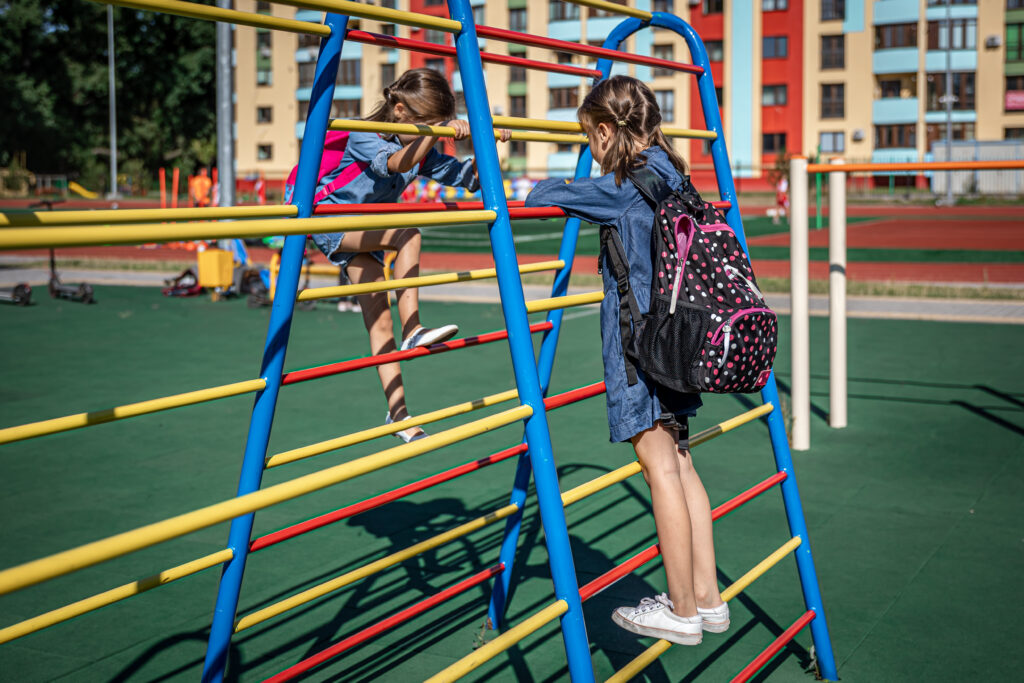
Recess is easily the best part of the school day for most students. It gives kids a chance to burn off energy, socialize with their friends, and take a much-needed mental break from the classroom. But as a school administrator or a concerned parent, you know that managing a play area involves more than just opening the back doors and letting the students run wild. Keeping those kids safe requires constant vigilance.
Over time, constant use and exposure to the elements take a serious toll on outdoor structures. That is why having a certified professional evaluate your playground equipment at least once a year isn’t just a good idea; it’s a vital necessity. Skipping this crucial maintenance step puts both the students and the school district at significant risk. Let’s dive into exactly why scheduling an annual safety audit is so important for your campus.
Catching Hidden Wear and Tear
Kids play hard. Day after day, hundreds of students are climbing, swinging, and jumping on the same structures. Even the highest quality commercial setups experience natural wear and tear under that kind of daily use. Bolts slowly vibrate loose, plastic slides develop hairline cracks from sitting in the sun, and metal chains start to rust after a rainy spring season.
Often, these structural issues aren’t obvious to the naked eye of a teacher on recess duty. A supervisor is busy watching the children, not inspecting the structural integrity of the swing set brackets. An annual inspection brings in a trained set of eyes. A certified inspector knows exactly where to look for stress fractures, missing hardware, and weak points that could suddenly fail and cause a serious injury. Catching a loose bolt early costs pennies to fix, but ignoring it could lead to a collapsed structure.
Ensuring Proper Impact Absorption
When you think about safety, your mind probably goes straight to the slides and monkey bars. However, the most critical safety feature of the entire area is actually the ground underneath. When kids inevitably take a tumble, the surfacing material is what prevents a minor scrape from turning into a broken bone or a severe concussion.
Whether your school uses engineered wood fiber, poured-in-place rubber, or loose rubber mulch, that safety surfacing degrades over time. Foot traffic naturally pushes loose materials away from high-use areas like the bottom of the slide or under the swings. Rubber surfaces can harden and lose their elasticity after baking under the summer sun. During an annual inspection, professionals test the depth and impact absorption of the surfacing to make sure it still meets safety requirements. If the ground cover has thinned out, they’ll let you know exactly where you need to add more material before the new school year begins.
Staying Compliant with Evolving Safety Standards
Safety guidelines aren’t static. Organizations like the Consumer Product Safety Commission and the American Society for Testing and Materials constantly review injury data and update their recommendations. What was considered perfectly safe a decade ago might now be recognized as a dangerous entrapment hazard.
If your school’s play area was built several years ago, there’s a strong chance it might not comply with the newest safety regulations. Annual inspections ensure your facility stays up to date with the latest industry standards. Inspectors will check for issues like head entrapment spaces between guardrails, proper spacing between swings, and adequate fall zones. Keeping your setup compliant protects the children from known hazards that safety experts have carefully identified.
Protecting the School from Liability
It’s an unfortunate reality, but accidents happen, and schools often face legal action when a child gets hurt on campus. If a student suffers an injury because a piece of equipment failed or the surfacing was inadequate, the school district could be held financially responsible. Lawsuits drain educational budgets and damage the school’s reputation in the community.
Having a documented history of annual inspections is one of the best ways a school can protect itself from liability. When you hire an independent inspector, they provide a detailed written report outlining the condition of the area and any necessary repairs. If the school promptly addresses those repairs, it proves that the administration exercised due diligence in maintaining a safe environment. It shows that you aren’t being negligent, which is a crucial defense if an accident ever occurs.
Maximizing Your Financial Investment
Installing a commercial play structure is a major capital expense for any school or parent-teacher organization. You want that investment to last as long as possible so future generations of students can enjoy it. Neglecting routine maintenance is the fastest way to shorten the lifespan of your setup.
Small problems left unchecked quickly snowball into expensive disasters. A patch of rust can eat through a main support pole if it isn’t sanded and painted promptly. A cracked plastic roof can fill with water, freeze during the winter, and split completely in half. Annual inspections act as a preventative maintenance plan. By identifying and fixing minor issues every year, you extend the overall life of the setup, saving the school district from having to fund a total replacement prematurely.
Playground Practicality
Recess should be a time for fun, imagination, and physical activity, not a time to worry about hidden hazards. While teachers do a fantastic job monitoring the kids, they simply can’t be expected to act as structural engineers. Committing to an annual inspection by a certified professional gives administrators, teachers, and parents peace of mind. It ensures the environment is safe, the school is legally protected, and the equipment will stand strong for years to come. Don’t wait for an accident to happen before taking a closer look at your school’s backyard. Be proactive, schedule an audit, and let the kids play with confidence.



More Stories
Trading the Restaurant for the Waves: Why You Should Host Your Next Birthday on the Water
How Do I Get United Airlines Vacation Packages?
How Do I Change My Name on Breeze Airways?